


































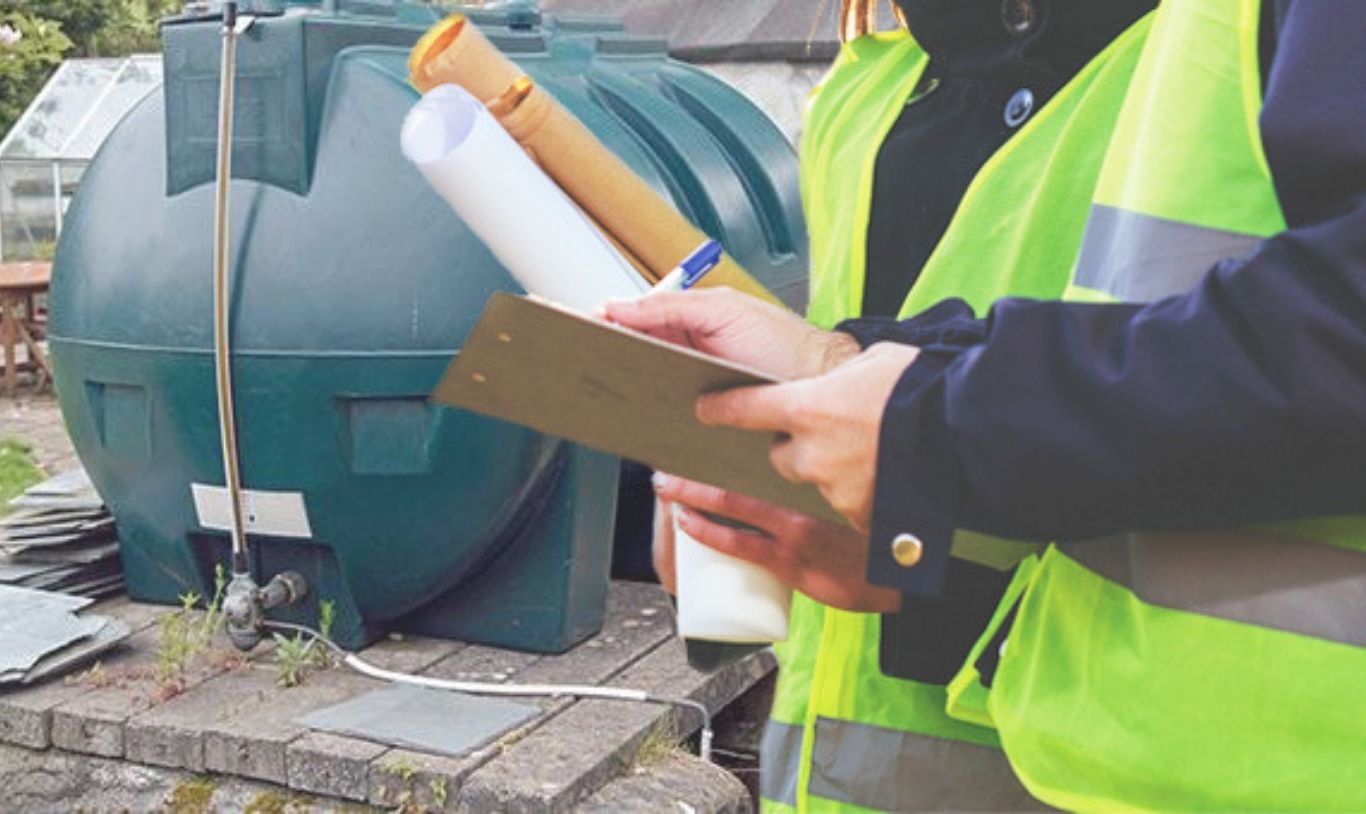
Selecting the right heating oil tank for your home is more than just picking a container to store fuel. It’s about safety, efficiency, and ensuring your heating system operates smoothly all year round. With so many options available, it can be overwhelming. This guide will help you make an informed decision that suits your household’s needs.
Understanding Heating Oil Tanks
Heating oil tanks are essential for homes that rely on oil-fired boilers for warmth. These tanks store fuel safely and supply it to your heating system when needed. Choosing the wrong tank can lead to problems such as leaks, contamination, or even regulatory issues.
Types of Heating Oil Tanks
There are several types of heating oil tanks to consider:
- Above-Ground Tanks – Typically easier to install and inspect, these tanks sit outside your home, often on a concrete or steel stand. They are ideal for properties with ample outdoor space and provide easy access for deliveries, maintenance, and concrete delivery London services when additional groundwork or support structures are required.
- Bunded Tanks – Bunded oil tanks have a double-wall design that provides extra protection against leaks. If the inner tank fails, the outer tank contains the oil, reducing the risk of environmental damage. Bunded tanks are often a legal requirement in certain areas due to safety regulations.
- Underground Tanks – These are installed beneath the ground and are suitable for homeowners wanting a discreet storage solution. While they save space and improve aesthetics, underground tanks can be more expensive to install and maintain, and leaks may be harder to detect.
Factors to Consider When Choosing a Tank
- Capacity: Determine how much oil you typically use. Smaller households may require tanks as little as 500 litres, while larger homes might need 1,000 litres or more. Consider the frequency of deliveries and storage space available.
- Location: Your tank’s location impacts both accessibility and safety. Above-ground tanks should be positioned on a stable surface, away from sources of heat and direct sunlight. Underground tanks must comply with local planning regulations and be accessible for inspections.
- Material: Most modern tanks are made from high-quality steel or polyethylene. Steel tanks are robust and long-lasting, while polyethylene tanks are lightweight, corrosion-resistant, and easier to install.
- Safety Features: Look for tanks with built-in safety features such as spill containment, locking mechanisms, and level gauges. These help prevent accidents and make it easier to monitor oil levels.
- Compliance: Always ensure your tank meets UK safety and environmental regulations. Approved tanks carry certifications indicating they adhere to stringent standards for construction and installation.
Choosing a Reliable Supplier
Selecting a reputable supplier ensures that your heating oil tank is high-quality and installed correctly. Companies like QuickTanks offer a range of oil tanks suitable for various homes and provide guidance on choosing the right size and type for your property. Their expertise can help you avoid costly mistakes and maintain your heating system efficiently.
Conclusion
Choosing the right heating oil tank is a vital step in keeping your home warm and safe. By considering the type, capacity, material, safety features, and supplier reputation, you can find a tank that meets your household needs while complying with regulations. Taking the time to research and plan ensures peace of mind and a reliable heating solution for years to come.