






























Choosing a setting is where most engagement ring shopping actually gets difficult. The stone shape feels obvious, the metal colour is a personal call, but the setting decides how the whole thing sits on your hand day to day. Get it right and the ring feels like it was made for you. Get it wrong and it’s forever slightly off.
What Your Hand Shape Actually Tells You
Jewellers talk a lot about finger length and knuckle size, and honestly, it matters more than people expect. Longer, slimmer fingers can carry almost any setting, including tall or elaborate ones. Shorter fingers or wider knuckles tend to look better with settings that draw the eye lengthways rather than piling height onto the centre. None of this is a hard rule. It’s a starting point, and the best way to test it is trying rings on rather than guessing from a screen.
The Solitaire: Simplicity That Works on Everyone
A solitaire is a single stone on a plain band, and its popularity isn’t an accident. It suits nearly every hand because there’s nothing competing with the stone itself. On smaller hands, a solitaire keeps things clean and doesn’t overwhelm. On larger hands, a slightly bigger carat or a thinner band can stop it looking lost. The trade-off is that a solitaire lives or dies on the quality of the stone, since there’s no halo or setting detail to distract from an average cut.
The Halo: More Sparkle, More Presence
A halo setting surrounds the centre stone with a ring of smaller diamonds, which does two things at once: it makes the centre stone look larger, and it adds a lot more visual weight to the ring. This works brilliantly on hands that can handle a bit of scale, but it can swamp a very slim finger. If you’ve got a smaller centre stone and want it to read as bigger without upgrading the carat, a halo is often the most cost-effective way to get there.
The Cathedral Setting: Height, Drama and Practicality
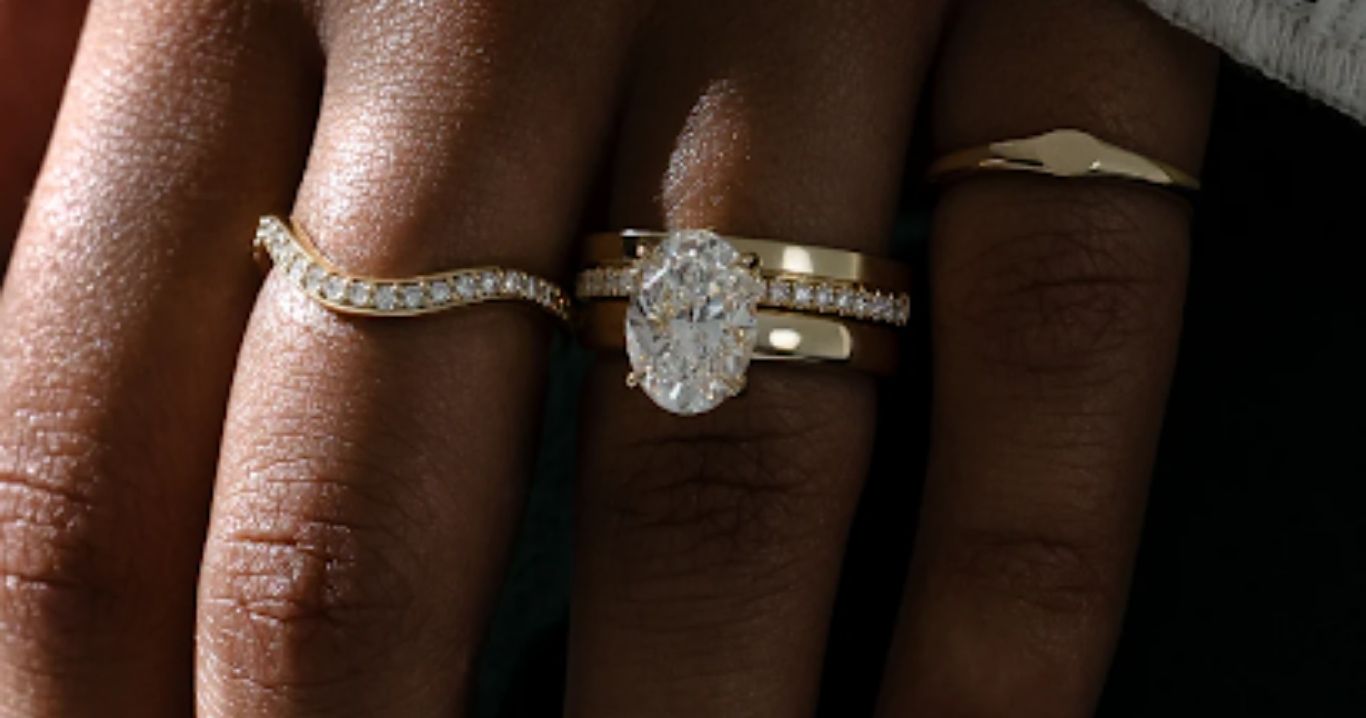
A cathedral setting raises the stone above the band using arched supports, a bit like the architecture it’s named after. It gives the ring more presence without needing a bigger stone, and that lift also means the stone catches light from more angles than a flush setting would. It tends to suit fingers of average to longer length particularly well, since the added height elongates the whole hand rather than shortening it. If you like the idea of a setting that photographs well and still feels wearable day to day, it’s worth spending real time with one in person, and browsing the Cullen engagement ring collection is a decent place to see how different cathedral heights actually look next to a solitaire or halo, rather than guessing from product shots alone.
Who the Cathedral Suits Best
It’s a strong pick if you’re active with your hands and worry about a low setting getting knocked about, since the raised structure protects the stone’s girdle better than a flush mount does. It also suits anyone who wants a ring that reads as more traditional or formal, without going as ornate as a full halo.
There’s no universally “correct” setting, only the one that matches how your hand actually looks and how you actually live. Try the same stone shape across all three settings before deciding. The difference in how it sits, catches light and wears through the day is bigger than most people expect until they see it side by side.