































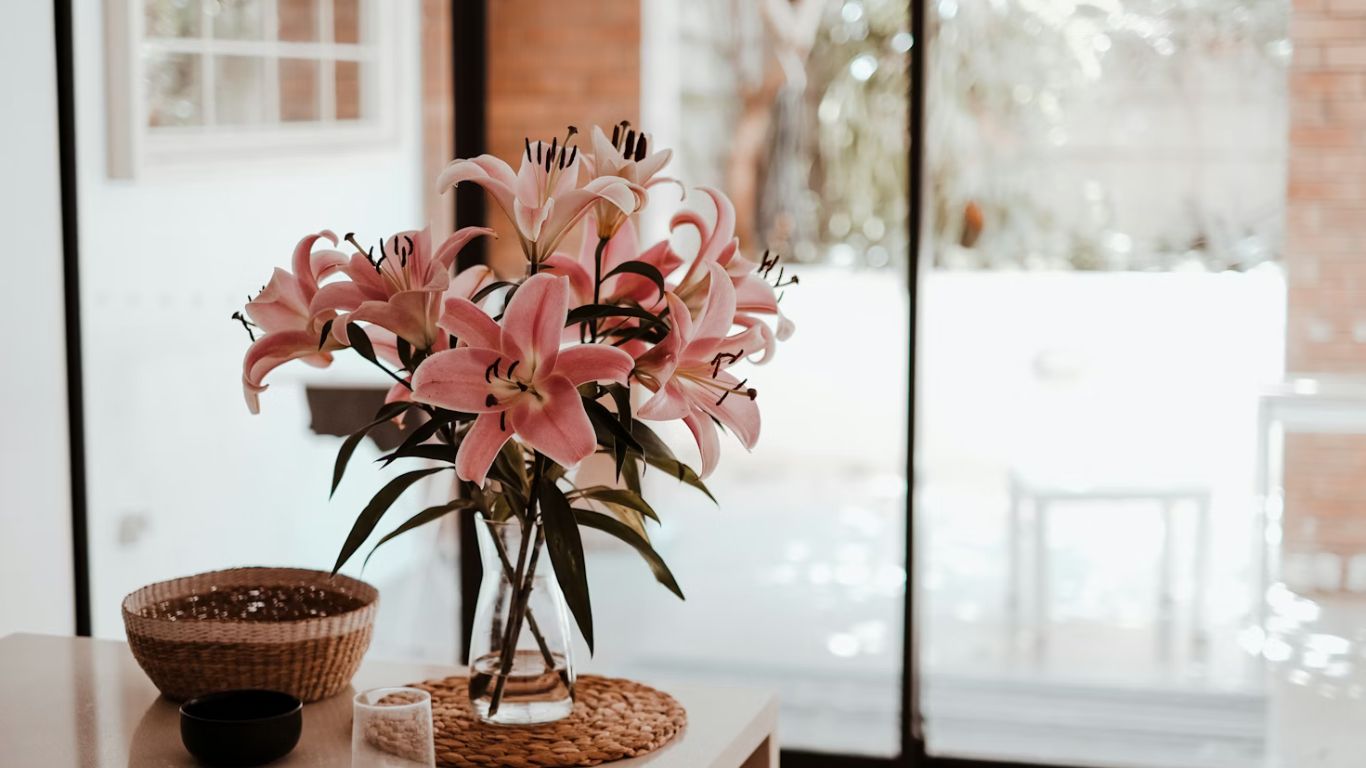
Picture this: you just spent $40 on a stunning bouquet, carried those blooms home like a proud new parent, trimmed the stems, filled the vase — and three days later the whole arrangement looks like it gave up on life. Honestly, figuring out where to place flowers so they don’t die is the single biggest factor most people completely overlook. And the wrong spot in your home can cut a bouquet’s lifespan in half, no matter how fresh those flowers were at the shop. If you’re ordering a bouquetpinkflowers for delivery, make sure you already know exactly where it will live — or all that delivery care goes to waste.
In this article, you’ll learn exactly which interior mistakes silently murder your blooms — from sneaky heat sources to the fruit bowl on your counter. You’ll also get a practical room-by-room placement guide, seasonal tips tailored to US climates, and a flower hardiness chart so you can match your lifestyle to the right variety. Let’s save some flowers.
Why where you place flowers matters more than you think
When you think about keeping cut flowers alive, understanding where to place flowers so they don’t die starts with a little science. Four invisible forces determine how long your bouquet survives indoors: temperature, airflow, ethylene gas exposure, and light intensity. Each one acts on the cellular level — speeding up water loss, encouraging bacterial growth, or triggering the hormonal signals that tell a bloom “time to wilt.”
Here’s the thing: most people focus exclusively on water and flower food. Those matter, sure. But placement is the silent killer. You can change the water religiously and still watch petals drop in 48 hours because you parked the vase on a sunny windowsill above a radiator. The environment around the vase controls the temperature of the water inside the vase, the rate of evaporation from petals, and the concentration of bacteria breeding in that water.
- Temperature above 75°F accelerates bacterial multiplication in vase water.
- Direct airflow strips moisture from petals faster than stems can replace the moisture.
- Ethylene gas from nearby fruit triggers premature aging hormones in flowers.
- Intense light overheats delicate tissue and fades pigments in petals.
Once you understand these forces, every placement decision becomes obvious. So let’s walk through the mistakes, one by one.
The biggest interior mistakes that kill your flowers
Knowing where to place flowers so they don’t die means knowing where NOT to place flowers. These are the most common — and most damaging — interior mistakes people make across US homes.
Placing flowers in direct sunlight
South-facing windows during summer can push temperatures above 85°F right near the glass. That kind of heat turns your vase into a petri dish. Bacteria double roughly every 20 minutes in warm water, and those bacteria clog the tiny channels in each stem that pull water up to the petals. On top of that, direct sun dehydrates petals from the outside while heat dehydrates stems from the inside.
The fix is simple: choose bright, indirect light. Move your vase to an interior table about 3–5 feet from the window. Your flowers still get enough ambient light to look gorgeous, but the temperature stays stable. I always find it surprising how many people instinctively put flowers on a windowsill, thinking sunlight equals life. For growing plants, yes. For cut flowers, sunlight equals a faster funeral.
Setting your vase next to a fruit bowl
This one is sneaky. Ripening fruit — bananas, apples, avocados, pears, and peaches — releases ethylene gas. Ethylene is an invisible, odorless plant hormone that tells biological tissue to ripen and, eventually, decay. When your cut flowers sit near a fruit bowl, those blooms absorb ethylene and interpret the signal as “start wilting now.”
The result? Premature petal drop, curling leaves, and a bouquet that ages days faster than normal. Keep your flowers at least 4–6 feet from any ripening fruit. That means the kitchen counter next to the banana hook is one of the worst possible spots for a vase.
- Bananas produce the most ethylene of any common household fruit.
- Apples and pears release moderate amounts, especially as the fruit softens.
- Avocados and stone fruits (peaches, plums) also emit significant ethylene while ripening.
- Citrus fruits produce very low levels — oranges and lemons are relatively safe neighbors.
Putting flowers near heat vents, radiators, or appliances
Warm air currents from HVAC vents, ovens, toasters, and even the exhaust from a dishwasher cycle dry out blooms fast. This mistake is especially deadly in winter when heating systems run nonstop and indoor air is already parched. A vase sitting on a console directly above a floor vent gets blasted with warm, dry air every time the furnace kicks on.
Try the tissue test: hold a single-ply tissue near the spot you’re considering. Any movement in the tissue means airflow — and airflow means your flowers will dehydrate faster. Move the vase to a spot where the tissue hangs perfectly still.
Leaving flowers in a drafty spot or under the AC
Cold drafts are just as damaging as warm ones. Air conditioning — a constant companion in Southern and Southwestern homes from May through September — blows cold, extremely dry air. That air strips moisture from petals faster than stems can replenish moisture. Tulips and hydrangeas are particularly vulnerable because their petals are thin and porous.
Entryway consoles near front doors expose flowers to temperature swings every single time someone opens the door. A 20-degree temperature fluctuation between the air-conditioned interior and the 95°F Texas afternoon creates thermal shock that wilts blooms within a day. Pick a stable-temperature spot away from exterior doors and AC vents.
Choosing a spot near electronics that generate heat
Here’s a mistake nobody talks about. TVs, Wi-Fi routers, laptops, and desk lamps all radiate low-level heat. That heat creates a micro-climate around your vase, raising the local temperature by 3–5°F. Over a week, that subtle warmth shortens vase life by one to two full days.
The fix: maintain at least 12 inches of clearance between your vase and any electronic device. That bookshelf right next to the router? Not great. The coffee table 2 feet from the TV? Acceptable. Honestly, this one drives me crazy because the classic “flowers on the TV stand” look is all over social media, and almost nobody mentions the heat factor.
Forgetting about humidity levels
Dry climates in Arizona, Nevada, and Colorado — plus winter-heated homes across the Midwest — can drop indoor humidity below 30%. Your flowers just came from a florist’s cooler running at roughly 80% humidity. That jump from 80% to 25% shocks the petals and speeds up wilting dramatically.
- Mist your petals lightly every morning with a clean spray bottle.
- Place a small dish of water near the vase to create localized humidity.
- Group your vase with houseplants — plants release moisture through transpiration and raise nearby humidity.
- Use a room humidifier during winter months to keep indoor humidity between 40% and 60%.
Room-by-room guide — where to place flowers so they don’t die
Understanding where to place flowers so they don’t die gets a lot easier when you think about each room individually. Every room in your home has a best spot and a worst spot. Here’s the breakdown.
Living room
Best spot: A coffee table or side table positioned away from windows and the TV, ideally in the center of the room where temperature stays even. Worst spot: The mantel above a working fireplace. Even a gas fireplace generates rising heat that bakes blooms from below. The mantel also puts flowers in a zone of extremely dry, rising air.
Kitchen
Best spot: The center island or a breakfast nook table — far from heat sources and fruit. Worst spot: The counter next to the stove, the toaster, or the fruit basket. Cooking sends bursts of heat and steam into the air, and you already know what the fruit bowl does. My personal favorite tip: the kitchen island is usually the coolest, most stable surface in the whole kitchen, and flowers there become a natural centerpiece.
Bedroom
Best spot: A nightstand or dresser against an interior wall. Bedrooms tend to be cooler, quieter, and more temperature-stable — perfect for flowers. Worst spot: The windowsill that catches morning sun. East-facing bedroom windows flood with direct light starting around 6:00 AM, and that early heat spike stresses petals before you even wake up.
Bathroom
Best spot: A shelf or countertop away from direct water splash. Bathrooms are surprisingly great for humidity-loving blooms like hydrangeas, orchids, and tropical varieties. The steam from showers bumps up humidity naturally. Worst spot: Right beneath a ventilation fan that runs constantly, because the fan pulls all that beautiful moisture away.
Entryway / foyer
Best spot: A console table set back at least 5–6 feet from the front door, creating a stunning first impression without the temperature swings. Worst spot: Right beside the front door. Every opening and closing brings a rush of outdoor air — scorching in July, freezing in January — that stresses delicate blooms.
Home office
Best spot: A shelf or credenza across the room from your desk setup. Flowers in your line of sight boost mood and productivity without absorbing heat from equipment. Worst spot: Right next to your laptop, monitor, or desk lamp. All three emit constant low-grade heat that creates an invisible warm zone around the vase.
Seasonal placement tips for US climates
Where to place flowers so they don’t die changes with the season — and with the part of the country you call home. Here are climate-specific strategies.
Summer (June–August): AC runs hard, and outdoor temps swing from 80°F in Portland to 115°F in Phoenix. Move flowers to interior rooms where temperature stays between 65°F and 72°F. Avoid any spot near exterior walls that absorb afternoon sun heat.
Winter (December–February): Radiators, baseboard heaters, and forced-air furnaces make indoor air brutally dry. Mist your flowers daily. Keep vases away from heating vents, and consider a portable humidifier — especially in Midwest and Northern homes where indoor humidity can plummet below 20%.
Spring and fall (March–May, September–November): These shoulder seasons give flowers the best natural vase life. Temperatures are moderate, and you can crack windows for gentle air circulation without extreme drafts. Still avoid direct sunlight as it intensifies during spring equinox.
- Humid Southeast (Florida, Georgia, Carolinas): Natural humidity helps flowers stay hydrated, but mold risk increases. Change vase water daily and trim stems every two days to prevent fungal growth.
- Dry Southwest (Arizona, Nevada, New Mexico): Extremely low humidity year-round is the top threat. Mist petals twice a day and use a humidifier in the same room as your flowers.
- Cold Midwest (Illinois, Michigan, Minnesota): Winter heating is intense. Place flowers in the coolest room of the house and never on a mantel or shelf above a baseboard heater.
- Mild Pacific Northwest (Oregon, Washington): Overcast skies and naturally mild temps create near-ideal conditions. Just watch for drafty older windows in historic homes.
Flower care basics that work hand-in-hand with placement
Even perfect placement can’t save flowers from neglected care, and knowing where to place flowers so they don’t die means pairing location with these essentials:
- Re-cut stems at a 45° angle every two to three days to reopen water channels.
- Change the water every other day — or daily when indoor temps exceed 75°F.
- Remove all foliage below the waterline to prevent bacterial rot.
- Add flower food to every water change, or mix your own: 1 teaspoon of sugar plus 2–3 drops of household bleach per quart of water.
- Pull out any dying bloom immediately so the dying bloom doesn’t release ethylene gas that accelerates wilting in remaining flowers.
By the way, placement and care amplify each other. A vase in a warm spot grows bacteria faster, meaning you need to change the water more often. A vase in a cool, stable spot slows bacterial growth and stretches your maintenance schedule.
Common mistakes even plant lovers make
Plenty of people who keep thriving houseplants still struggle with cut flowers. Avoiding these errors alongside smart placement will dramatically improve your bouquet’s lifespan when you learn where to place flowers so they don’t die:
- Using a dirty vase: Bacteria from the last bouquet survive on glass surfaces. Scrub your vase with hot soapy water and a splash of white vinegar before every new arrangement.
- Overcrowding stems: Cramming 30 stems into a vase designed for 15 prevents air circulation and bruises delicate outer petals. Give each stem about half an inch of breathing room.
- Choosing the wrong vase size: Stems jammed into a narrow opening get crushed, split, and rot at the pressure point. The vase opening should be wide enough for stems to fan out slightly.
- Skipping the initial deep drink: Submerge freshly cut stems in cool water for at least two hours before arranging your bouquet in the display vase. This deep drink rehydrates stems after any time out of water during transit.
Which flowers last longest indoors (and which are divas)
Knowing where to place flowers so they don’t die is half the battle. The other half is choosing flowers that match your environment and schedule. Here’s a practical lifespan guide for cut flowers kept in a cool, stable indoor spot with proper care:
- Long-lasting (14–21 days): Chrysanthemums, carnations, alstroemeria, and orchid sprays. These are the workhorses — forgiving, resilient, and perfect for anyone who forgets water changes occasionally.
- Moderate (7–12 days): Roses, Asiatic lilies, sunflowers, and snapdragons. Roses reward consistent care with a solid 10-day run. Lilies keep opening new buds over a week.
- Short-lived (3–7 days): Tulips, peonies, gardenias, and sweet peas. Beautiful but demanding — these varieties need cool temps, daily water changes, and zero ethylene exposure.
Match your flower choice to your real lifestyle. Love the look of peonies but work 12-hour days? Grab a bunch of alstroemeria instead. Those sturdy blooms will still look fresh when you finally get around to changing the water on day four.
Your flowers deserve a fighting chance
The best bouquet in the world can’t survive a bad spot — but a $10 grocery store bunch can honestly thrive for two weeks in the right one. Everything comes down to keeping your flowers cool, dry-air-free, away from fruit, and out of direct sunlight. Small changes, big results.
So — where’s your go-to flower spot at home? Try moving your next arrangement to the best spot in each room based on the guide above, and I bet you’ll notice those extra days of beauty almost immediately.
Want to send fresh flowers to someone who needs a little brightness? Browse the MyGlobalFlowers catalog — local florists assemble and deliver bouquets locally, so blooms arrive fresh and ready for the perfect spot. And hey, share this article with a friend who always complains about flowers dying too fast. You might just save a bouquet.
Frequently asked questions
Can I place flowers in a room with no natural light?
Yes. Cut flowers don’t need sunlight to survive because cut blooms are no longer photosynthesizing. A room with only artificial light works fine as long as the temperature stays between 65°F and 72°F and the air isn’t overly dry.
How far should flowers be from a window?
Keep your vase at least 3–5 feet from any window that receives direct sunlight. North-facing windows are the safest because north-facing glass rarely transmits intense heat. South- and west-facing windows pose the greatest risk, especially during summer afternoons.
Do flowers last longer in cold or warm rooms?
Cooler rooms extend vase life significantly. The ideal range for most cut flowers is 65°F to 72°F. Temperatures above 75°F accelerate bacterial growth and water evaporation, while temperatures below 55°F can cause cold damage to tropical varieties like orchids and anthuriums.
Is it okay to put flowers in the bathroom?
Absolutely — bathrooms with regular shower use create natural humidity that many flowers love. Hydrangeas, orchids, and tropical blooms thrive in bathroom environments. Just make sure the ventilation fan doesn’t run 24/7, because a constantly running fan pulls moisture away from petals.
Why do my flowers die so fast even when I change the water?
Placement is likely the culprit. Clean water helps, but a vase sitting in a warm or drafty spot still loses the battle. Check for nearby heat sources, fruit, direct sunlight, and AC vents. Also make sure you’re re-cutting the stems every two to three days, because sealed stem ends block water uptake even in fresh water.
What’s the best temperature range for cut flowers indoors?
Aim for 65°F to 72°F. This range slows bacterial growth, reduces water evaporation, and keeps petals hydrated. At night, a slightly cooler room — around 60°F — can add an extra day or two of vase life, which is why florists store blooms in refrigerated coolers set to about 34°F to 38°F.