































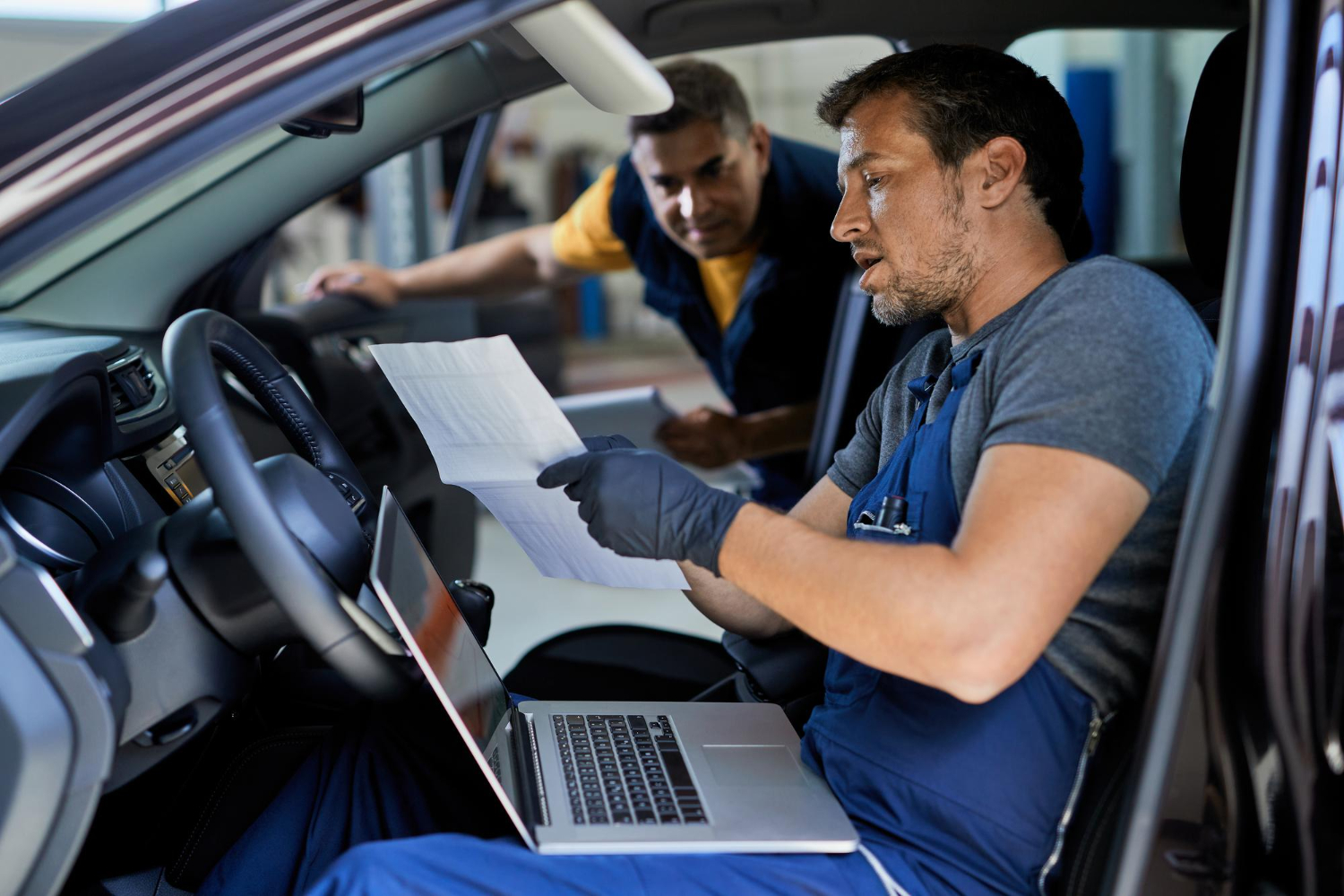
A Ram truck’s reliability is closely tied to following the maintenance schedule tailored to your engine type. Also, addressing wear components that are liable to go bad prematurely and managing diesel emissions and fuel systems as regular servicing items instead of neglecting them until they break are essential steps in keeping your vehicle functioning reliably. For example, different levels of care are required for a gas Ram 1500 and the Cummins-powered Ram 2500, and the knowledge of what type of vehicle you own will influence almost every major maintenance decision you are going to make.
The only truly effective thing a Ram owner can be aware of is that these trucks reward the consistent users and punish those who ignore the regular maintenance even more harshly than most. A well-kept Ram that gets its oil, fuel filters and oil changes as scheduled can easily go on functioning for more than 250,000 miles. However, those trucks that neglect to carry out regular checks end up developing costly problems in the drivetrain, the injection system, or the emissions hardware, long before reaching 250,000 miles. The truck is essentially giving signals that it needs your help through the maintenance minder and in the way it feels while driving, that it only takes a bit of common sense and attention for you to notice them.
Oil Changes And Fluids For Gas Versus Cummins Rams
Oil service is where the two Ram worlds differ most, really. A gas-powered Ram 1500 with either a 5.7 Hemi or a 3.6 Pentastar usually needs oil every 5,000-8,000 miles with synthetic being the go-to, and the maintenance minder adjusts the time based on your driving habits. If you do a lot of towing, have lots of short trips or frequent cold startups, it will be less than you have planned. So, if you use that truck as a real truck rather than just a commuter, it is better to keep the oil change schedule on the lower end of the range.
With Cummins diesel, you get an entirely different situation. A 6.7-liter Cummins carries about a tank of around 12 quarts of oil – so each time you do change you spend more. You have to use diesel-rated oil because of the turbocharger and injection system. When it comes to fuel filters, that is even more essential for diesel than for petrol because the Cummins filtration is actually two-stage and Because of this, in fact is what is used to protect the high-pressure fuel injection system, where one single fuel injector can cost you several hundred dollars for a replacement only. So, not only is changing fuel filters time-consuming, but neglecting to perform the change can end up being one of the most expensive of the many possible maintenance or mechanical errors a diesel Ram owner can make.
The Wear Items That Fail Early On Rams
Each type of truck platform comes with a set of weak points that you should get familiar with. When you know those issues that may affect your Ram, it enables you to take timely actions and possibly avoid being stranded. A front suspension system in heavy-duty trucks, like ball joints, track bar, and tie rod ends gets worn out sooner than most users reckon, mainly for trucks being driven on rough terrain or laden. A worn-out track bar gives your steering a ‘wandering’ or ‘floppy’ feel that is sometimes mistaken by users as an alignment issue. Repairing the issue promptly will cost several hundred euros, whereas putting off the problem will result in tires wearing out quicker and your car getting sloppy and dangerous.
The emissions system of yourRam deserves an extra close look if yours is a diesel model and it was manufactured after the year 2007. EGR Valve and Cooler, DPF, and DEF system may be prone to dirt or mechanical breakdown when the vehicle is being driven for very short trips or when it’s idling continuously. As an example, If the DPF has been blocked continuously over time, it will not be able to regenerate, leading to derating, i.e. a speed limitation is put in place for your truck until the issue is resolved. Free maintenance that you can do to keep the vehicle’s emission system healthy consists of letting the truck warm up fully and running the vehicle at highway speed frequently.
Upgrades That Actually Improve Reliability And Value
Not every modification is about horsepower, and the smartest Ram owners spend on parts that make the truck last longer and work better. On the Cummins especially, upgraded cooling, better fuel filtration, improved intake and exhaust flow, and stronger suspension components reduce the strain that causes premature failures, particularly on trucks that tow near their limit. Owners who plan to keep a Cummins for the long haul often look at Ram and Dodge Cummins upgrades that improve airflow, cooling, and drivability while keeping the truck dependable through high mileage.
The difference lies in the fact that the manufacturer’s specifications are designed for a car running under normal conditions with emissions standards in mind. It’s not a vehicle that can handle the wear and tear from daily hard work. More precisely, a better lift pump safeguards the injection system, a higher-capacity transmission cooler prevents the fluid from becoming too hot after a tough tow, and improved suspension parts are tougher than the original ones which get tired easily on demanding roads. In general, a well-maintained diesel will retain its value A lot longer than a neglected one. The most sensible of these upgrades would support the resale value of a vehicle, provided that you keep the truck emissions-legal for your area. The reason is that a sensible truck would not be sold on a faulty emissions test, but it could be if someone does so for personal reasons only, which are not acceptable legally speaking.
Power is often the first thing that drivers ask for, even though many times they are only addressing a part of the car and not the whole system. When a driver increases the engine’s power without considering that other parts like cooling, fuel supply, and the strength of the drivetrain should be upgraded as well, a failure is just another part of the car that will break down soon and reduce the lifetime of the vehicle. The ones which help you achieve the same level of performance with the truck doing less (i.e. being pushed harder), are the kind of changes which will be worth it and make a good return over time. Those But which require a truck from which you are asking for more performance than what it is actually built for and what it can safely deliver, would be of limited use only eventually.
How Your Driving And Region Change The Schedule
Determining when you should schedule a service is not straightforward; the maintenance minder is just a starting point. Actually, it’s you, the driver, who decides through your driving behavior and style what kind of engine condition your vehicle would be in and when to service Because of this. Plainly, if a vehicle is mostly towed heavily, idled a lot, or runs short trips during cold weather, it is a severely stressed vehicle and such conditions will make oil, fluid and filter changes happen in shorter periods. If a pickup runs mostly on highways in a mild temperature area, it is the longer service interval that will be appropriate. However, owners following the incorrect schedule per the actual usage of the vehicle are those who are surprised by early vehicle component wear.
What a lot of people don’t factor in is the region’s influence. Trucks in the areas where salt is spread a lot will be subjected to frame and brake-line corrosion. That means, undercoating and the regular cleaning of the underbody are good means of protection that allow to preserve long-lasting parts. Also, a rusted frame will be a reason for scrapping even the most healthy truck. In summer, when hot weather reigns in southern regions, the main issues will be cooling system health & temperature levels of the transmission, both of which will affect towing in particular. On top of that, in such regions the air and fuel filters will get dirty pretty fast so in fact, you will have to replace and change filters even faster than the manual suggests.