


































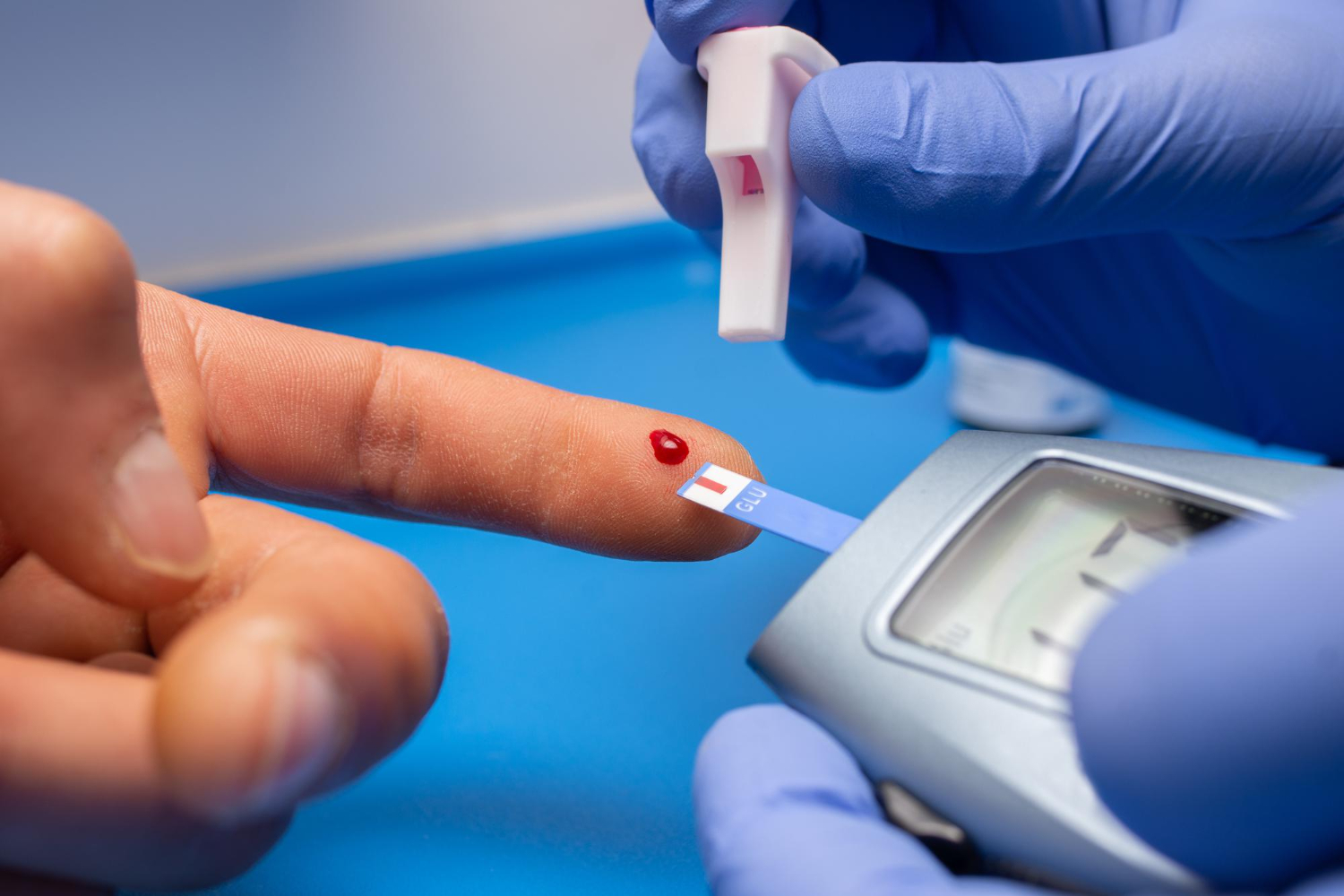
Applying for life insurance often involves questions about your health, lifestyle and family medical history. People living with Type 1 diabetes can expect to provide some additional information about their diagnosis, treatment and recent health results. These questions allow the insurer to understand your circumstances and decide what cover it can offer. They do not mean that your application will automatically be declined. Type 1 diabetes is a lifelong condition that requires daily insulin treatment. However, each person’s medical history and experience of managing the condition will be different. This is why insurers generally assess applications individually rather than making a decision based on the diagnosis alone.
Why insurers ask additional health questions
Life insurance providers calculate premiums by assessing the likelihood of a claim during the policy term. To do this, they consider factors such as your age, smoking status, occupation, general health and the amount of cover requested.
Diabetes introduces further factors that may affect an insurer’s assessment. The provider may want to understand how long you have lived with the condition, how it is treated and if you have experienced any related complications.
Some applicants can receive a decision based on their answers alone. Others may be asked to provide further medical evidence. This could involve a report from their GP, access to relevant medical records or an additional health screening.
A request for medical evidence is a normal part of underwriting and does not necessarily indicate a problem with the application.
What a Type 1 diabetes application may involve
When applying for Type 1 diabetes life insurance, you are likely to be asked about your diagnosis, insulin treatment, blood glucose management and recent diabetes reviews.
The insurer may ask for the following information:
- Your age when you were diagnosed
- The year of your diagnosis
- Your latest HbA1c result
- Previous HbA1c results
- The type of insulin you use
- How insulin is delivered
- Your glucose-monitoring method
- Any episodes of severe hypoglycaemia
- Any hospital admissions
- Diabetes-related complications
- Your blood pressure and cholesterol
- Your height and weight
- Other medical conditions
It is helpful to gather this information before beginning the application. You may be able to find it in your NHS App, clinic correspondence, repeat prescription records or diabetes review documents.
Do not guess if you are uncertain about a test result or diagnosis date. It is usually better to explain that you do not know the exact figure than to provide information that may later conflict with your medical records.
Your age at diagnosis
The insurer will normally ask when you were diagnosed with Type 1 diabetes. This helps it understand how long you have been living with the condition and the amount of medical history that may need to be considered.
A longer period since diagnosis does not automatically lead to a higher premium. Someone who has lived with Type 1 diabetes for many years may have a detailed record of regular reviews and stable results.
A recent diagnosis may require a different approach. The insurer may want to wait until there are enough results to show how the condition is responding to treatment.
In some cases, an application may be postponed until a new HbA1c result or diabetes review is available. A postponement is not the same as a permanent decline. It means that the insurer does not currently have enough information to reach a decision.
Your latest HbA1c result
HbA1c measures your average blood glucose level over the previous two to three months. It is one of the main results insurers consider when assessing diabetes.
Providers may ask for your latest result and previous readings. This allows them to look at the general pattern rather than relying on one figure.
An HbA1c result above your agreed target does not always lead to a decline. The insurer may ask why the result has changed, request more recent evidence or offer cover at an increased premium.
Recent illness, changes in treatment and other personal circumstances may affect your results. Give accurate details when the application asks for an explanation.
Insurance should never influence how you use insulin or follow medical advice. Treatment decisions should always be made with your diabetes team.
Insulin treatment and diabetes technology
The NHS states that people with Type 1 diabetes need to take insulin every day because the body cannot produce it. Insurers therefore expect applicants with Type 1 diabetes to provide details of their insulin treatment.
You may be asked if you use injections or an insulin pump. The insurer may also ask how frequently you monitor your glucose and if you use a continuous glucose monitor or flash glucose monitor.
The use of a pump or glucose sensor does not guarantee a particular insurance decision. It can, however, provide useful context about how you monitor and manage the condition.
Some applications may also ask about time in range. This measures the proportion of time your glucose levels remain within your target range. Not every insurer asks for this information, and underwriting criteria differ between providers.
Severe hypos and hospital treatment
Insurers may ask about severe hypoglycaemia, particularly episodes that required help from another person, emergency treatment or hospital admission.
You may need to provide:
- The date of the episode
- What caused it
- The treatment you received
- Any changes made afterwards
- If similar episodes have occurred since
An isolated incident may be assessed differently from repeated severe episodes. The insurer will consider how recent it was and any medical advice or treatment changes that followed.
You should also disclose previous episodes of diabetic ketoacidosis if the application asks about them. Include details of any hospital admissions, even if you have since recovered fully.
Diabetes-related complications
Life insurance providers usually ask about complications affecting the eyes, kidneys, nerves, feet, heart or circulation.
Having a complication does not always make life insurance impossible. The insurer may need further information about its severity, current treatment and effect on your general health.
For example, early changes identified during an eye screening may be assessed differently from significant sight loss. Mild kidney changes may also be viewed differently from advanced kidney disease.
Provide the diagnosis rather than attempting to judge if the condition is serious enough to mention. The insurer is responsible for deciding how the information affects its assessment.
Blood pressure, cholesterol and weight
An insurer will not assess Type 1 diabetes in isolation. It may also consider other factors linked to cardiovascular health, including blood pressure, cholesterol, smoking and body mass index.
Someone with stable diabetes results may still receive an increased premium if other health risks are present. In contrast, an applicant with several well-managed health factors may receive more favourable terms.
Include any prescribed medication for blood pressure or cholesterol when asked. Treatment for these conditions does not automatically count against an application. In many cases, the insurer will be interested in the latest readings and how well the treatment is working.
Can the insurer contact your GP?
An insurer must obtain your permission before requesting medical information from your GP.
The report may confirm your diagnosis, recent test results, treatment, hospital history and any complications. It may also cover unrelated medical conditions that are relevant to the application.
GP reports can take time to complete. You can help prevent delays by responding promptly to consent requests and checking that your surgery has received the insurer’s request.
Diabetes UK advises applicants to be prepared to provide information about their health and how their diabetes is managed.
Why accurate disclosure matters
Life insurance applications must be completed honestly and carefully. The insurer uses the information you provide to calculate the premium and decide the policy terms.
Failing to mention a diagnosis, complication, hospital admission or other relevant information could affect a future claim. The insurer may investigate if the application contained incorrect or incomplete answers.
Read each question rather than assuming you know what is being asked. Some questions cover a specific number of years, while others ask about your entire medical history.
Ask the adviser or insurer for clarification if the wording is unclear.
Comparing different insurers
Insurance companies do not all assess Type 1 diabetes in the same way. One may request a GP report, while another may be able to offer terms using the application form and recent test results.
Premiums can also vary between providers. A previous decline or expensive quote does not prove that every insurer will respond in the same way.
More Than Diabetes specialises in helping people with diabetes compare life insurance options from UK insurers. The company works with people living with Type 1, Type 2 and other forms of diabetes.
No broker can guarantee acceptance, but choosing insurers that regularly assess applicants with Type 1 diabetes can reduce poorly targeted applications.
Prepare before applying
Gathering your medical information can make the application easier and reduce the risk of delays. Check your latest HbA1c, treatment details, medication and dates of any significant hospital treatment.
You should also decide how much cover you require and how long the policy needs to last. These choices can have a significant effect on the premium.
Most importantly, provide complete and accurate information. Type 1 diabetes may make the application more detailed, but the diagnosis alone does not determine the outcome.
This article provides general information and does not constitute medical or financial advice. Cover, premiums and policy terms depend on individual circumstances and insurer criteria.