


































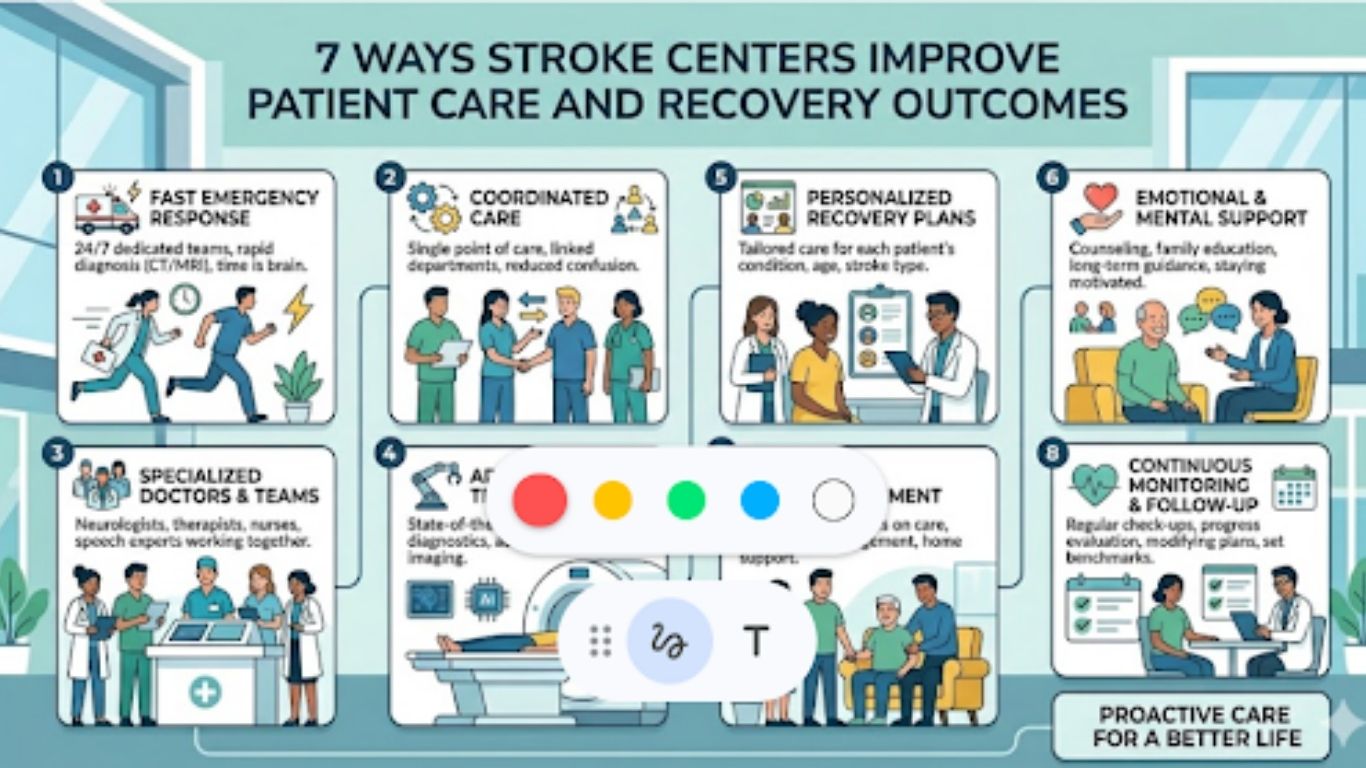
A stroke can change a person’s life in a few seconds. However, instant medical care and the right recovery plan make a big difference. This is where a stroke center plays a key role and brings complete care under one system. They help patients recover in a better way.
In this article, you will understand how stroke centers improve patient care and recovery outcomes in simple terms.
What is a Stroke Center?
First of all, you need to understand what a stroke center is. A stroke center is a specialized hospital unit that focuses only on stroke patients. It provides fast emergency treatment and long-term rehabilitation support.
In a stroke center, doctors, nurses, and therapists work together for one goal. A well-structured hospital network like Liv Hospital provides advanced stroke care services, including emergency treatment and rehabilitation planning.
1. Fast Emergency Responses Are Important
When a stroke happens, brain cells start dying. This is a very crucial situtation and everyone need special and instant medical assistant. Yes, you can go to the hospitals, but they are not well-equipped to deal with such situations. Here comes the stroke centers that are only working for stroke patients.
They have:
- Emergency stroke teams are ready 24/7
- Quick diagnosis tools like CT scans and MRI
- Immediate treatment plans
This fast action reduces brain damage and increases the chances of recovery.
2. Benefits of Stroke Centers in Patient Care
Stroke centers are highly efficient in dealing with emergencies. As you know, time is critical in stroke cases. Stroke centers are designed to respond immediately, which reduces brain damage and improves recovery chances.
Plus, stroke centers are coordinated. Instead of moving between different departments, patients receive care from a single department. Every treatment stage is connected and reduces confusion. Centers also have advanced medical tools and AI machinery. All these things help in patient care.
3. They’ve Specialized Doctors
Stroke centers have dedicated teams that only focus on stroke care. This improves accuracy and speed of treatment.
- Neurologists handle brain-related diagnosis
- Therapists manage physical recovery
- Speech experts help with communication issues
- Nurses provide continuous monitoring
- Rehabilitation specialists design recovery plans
Because all experts work together, patients receive complete and focused care instead of separate treatments.
4. Personalized Care Plans
Every stroke patient has different needs. So, centers design personalized care plans for each patient. They consider the patient’s condition, age, type of stroke, and overall health. On the other hand, a general hospital treats every patient almost the same way.
This way, the patient receives the right care at the right time. Plus, stroke centers have other teams such as therapist etc, so they all sit together and make a better plan. In short, at the stroke centers, patients receive care according to their exact conditions.
5. Emotional Support
Stroke recovery is not only about physical healing. Many patients also face emotional challenges such as anxiety, stress, or depression after a stroke. So, stroke centers have different emotional support plans as part of the recovery process.
They offer:
- Counseling services
- Family educational
- Long-term care guidance
These things keep patients motivated and mentally strong. Remember one important thing: a positive mindset improves physical healing and overall recovery.
6. Family Involvement in Recovery
When patient find their family members around them, they feel safe. Stroke centers understand this family factor very well. So, they guide families on how to take proper care of the patient.
Besides, doctors and therapists educate family members in simple steps so they can support recovery in the right way. They explain how to assist the patient in daily activities like walking, eating, dressing, and moving around safely.
Plus, families learn how to manage medication schedules correctly so that no dose is missed. In short, when families are fully involved in care, recovery becomes faster.
7. Continuous Monitoring and Follow-Up Care
Stroke centers monitor continuously to make sure the patient is improving. The reason is that recovery after a stroke is often slow and needs regular attention.
They come up with proper follow-up plans, such as:
- Regular check-ups
- Check mental condition
- Therapists and specialists visit often
- Progress evaluation
- Modify medications
- Set benchmarks
- Modify recovery plans as per need
In short, stroke centers create long-term recovery plans that guide patients for months or even years after the stroke.
Final Thought
Stroke centers play a very important role in modern healthcare systems. They improve patient care by providing fast treatment, specialized teams, advanced rehabilitation, and continuous support. In this post, we have discussed the 7 major ways in which stroke centers are improving patient care effectively. Last but not least, stroke patients have a much better chance of recovery with a complete approach.