



































Fire safety is a critical consideration for every property owner in the UK, whether residential or commercial. With increasing awareness around building safety regulations and fire risks, understanding the different types of fire protection systems has never been more important.
Broadly, fire protection is divided into two categories: passive and active systems. While both serve the same purpose, protecting life and property, they operate in very different ways. Knowing how they work and how they complement each other can help you make informed decisions for your home or building.
What Is Passive Fire Protection?
Passive fire protection refers to the built-in features of a structure that are designed to contain or slow the spread of fire and smoke. These systems do not require activation; they are always in place, working silently in the background.
Understanding passive fire protection systems is essential, as they form the foundation of any effective fire safety strategy. These measures include fire-resistant walls, floors, doors, and compartmentation systems that prevent fire from spreading rapidly throughout a building.
In the UK, passive fire protection plays a key role in meeting building regulations and ensuring that occupants have enough time to evacuate safely in the event of a fire. Without these structural safeguards, fires can spread uncontrollably within minutes.
What Is Active Fire Protection?
Active fire protection systems are designed to detect and respond to a fire. These systems require some form of activation, either manually or automatically, to control or extinguish the fire.
Common examples include fire alarms, smoke detectors, sprinkler systems, and fire extinguishers. Unlike passive systems, active protection is dynamic; it reacts to a fire incident as it occurs.
Modern fire safety strategies rely heavily on combining both passive and active systems to ensure maximum protection.
What Are Water Mist Fire Suppression Systems?
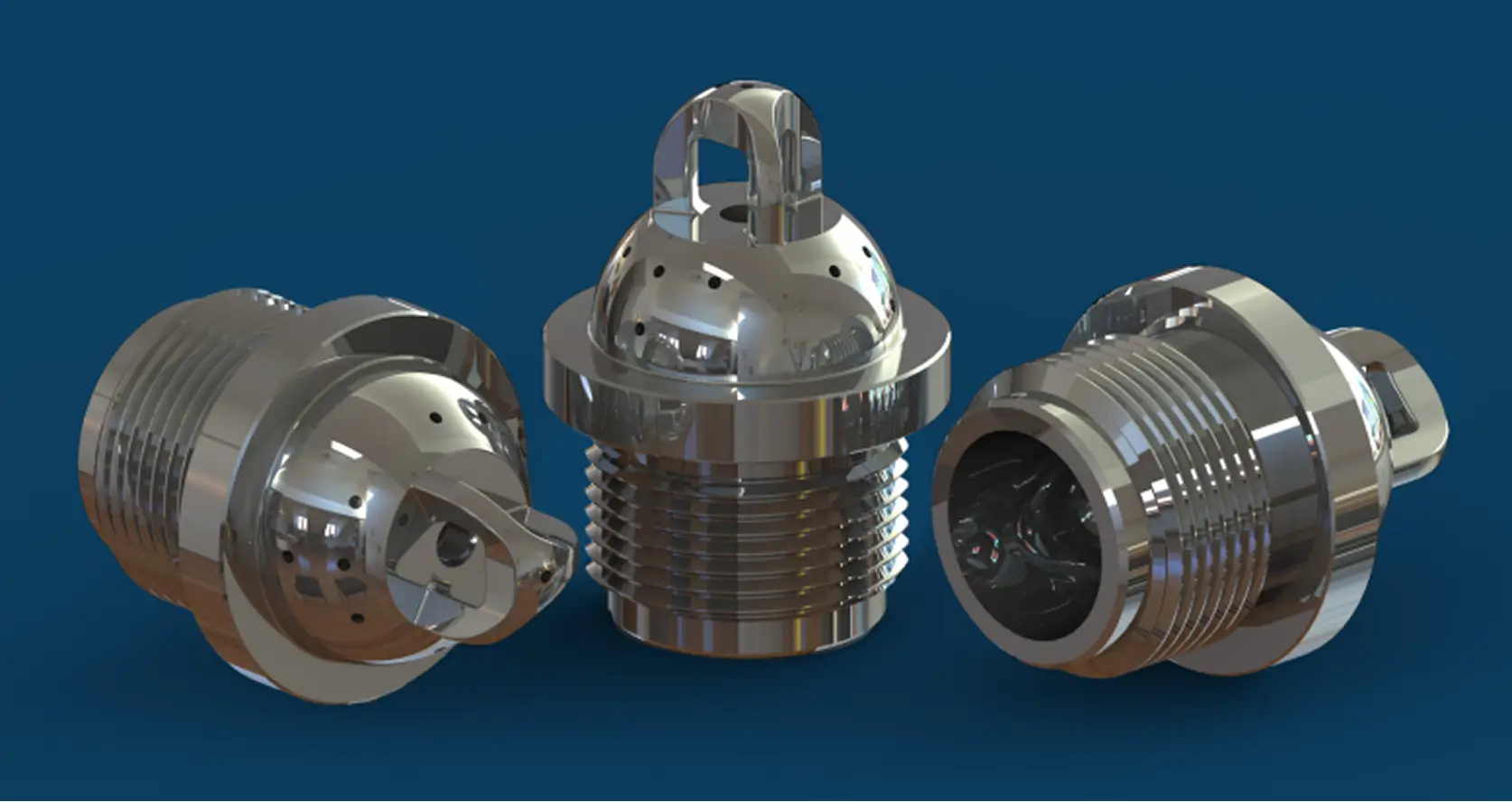
One of the most advanced forms of active fire protection available today is the water mist system. These systems use fine water droplets to control, suppress, and extinguish fires efficiently.
Modern solutions such as residential water mist fire suppression are becoming increasingly popular in UK homes, particularly where traditional sprinkler systems may not be suitable. By using significantly less water, mist systems minimise water damage while still effectively controlling fire.
Water mist systems work by cooling the fire, reducing oxygen levels, and blocking radiant heat, all of which help to suppress flames quickly and safely. They are especially effective in residential environments where space, aesthetics, and water usage are important considerations.
Passive vs Active Fire Protection: Key Differences
While both systems are essential, their roles differ significantly:
- Passive fire protection focuses on containment
- Active fire protection focuses on detection and suppression
- Passive systems are always present and do not require activation
- Active systems respond dynamically during a fire incident
Rather than choosing one over the other, the most effective fire safety strategy combines both approaches.
Why Modern Homes Need Both
Relying on a single layer of fire protection is no longer sufficient. Modern UK homes are built with a greater emphasis on safety, efficiency, and compliance.
Passive fire protection ensures that a fire does not spread rapidly, buying valuable time. Active systems, such as water mist suppression, then work to control or extinguish the fire before it causes significant damage.
Together, these systems create a comprehensive fire safety solution that protects both lives and property.
Choosing the Right Fire Protection System in the UK
Selecting the right fire protection system depends on several factors, including property type, layout, and regulatory requirements.
For homeowners, integrating structural fire protection with modern suppression technologies offers the best level of safety. Water mist systems, in particular, provide an innovative solution that aligns with contemporary building design and environmental considerations.
Consulting with fire safety specialists ensures that your system is tailored to your specific needs while meeting UK safety standards.
Frequently Asked Questions
What is the difference between passive and active fire protection?
Passive fire protection is built into a building’s structure and works to contain fire and smoke, such as fire-resistant walls and doors. Active fire protection involves systems that respond to fire, such as alarms, sprinklers, and suppression systems. Both are essential for complete fire safety.
Why is passive fire protection important in UK buildings?
Passive fire protection is crucial because it slows the spread of fire, giving occupants more time to evacuate safely. It also helps buildings comply with UK fire safety regulations and reduces structural damage during a fire.
Are water mist fire suppression systems better than sprinklers?
Water mist systems offer several advantages over traditional sprinklers. They use significantly less water, reduce water damage, and are highly effective at controlling fires. This makes them an ideal solution for residential properties and modern homes.
How do residential water mist fire suppression systems work?
Residential water mist fire suppression systems release fine water droplets that cool the fire, reduce oxygen levels, and limit heat radiation. This combination helps to suppress and extinguish fires quickly and efficiently.
Do I need both passive and active fire protection in my home?
Yes, combining passive and active fire protection provides the highest level of safety. Passive systems help contain the fire, while active systems detect and suppress it, offering a complete fire protection strategy.
Are water mist systems suitable for all homes in the UK?
Water mist systems are suitable for most residential properties, including flats, houses, and heritage buildings. They are especially useful where traditional sprinkler systems may not be practical due to space or water usage concerns.
Do water mist fire systems require a lot of maintenance?
Water mist systems generally require minimal maintenance compared to traditional systems. Regular servicing by professionals is recommended to ensure optimal performance and compliance with safety standards.
Can installing fire protection systems increase property value?
Yes, having modern fire protection systems installed can enhance property value. It improves safety, ensures regulatory compliance, and can make a property more attractive to buyers or tenants.
Conclusion
Effective fire safety relies on a combination of both passive and active protection systems. While passive measures help contain the spread of fire, active solutions work to detect and suppress it quickly.
By integrating both approaches, property owners can create a safer environment that not only meets UK regulations but also provides greater protection for occupants and assets.