
































The obstacles adults used to face when considering orthodontics – pain, visibility, time out for frequent dental appointments – have all pretty much disappeared through innovation. Instead, a new generation of treatment has evolved that adapts to your lifestyle.
The scanning revolution nobody talks about enough
The traditional process of having impressions taken was very unpleasant for patients. However, digital intraoral scanning has eliminated all of that. The outdated impression process has been replaced by a high-resolution camera attached to a small wand. Thousands of data points are recorded per second to create an accurate, three-dimensional model of a patient’s teeth in just a few minutes. This model is then live-streamed directly to the monitor, giving patients a first-hand look at their teeth.
Since everything is stored in the cloud, this model can be sent directly to the lab for appliance creation. All of this minimizes the potential for any errors. Truth is, nobody’s great at holding still with a mouth full of goop, and nothing’s better at holding your teeth against you than an ill-fitting metal bracket.
Lifestyle integration, not lifestyle disruption
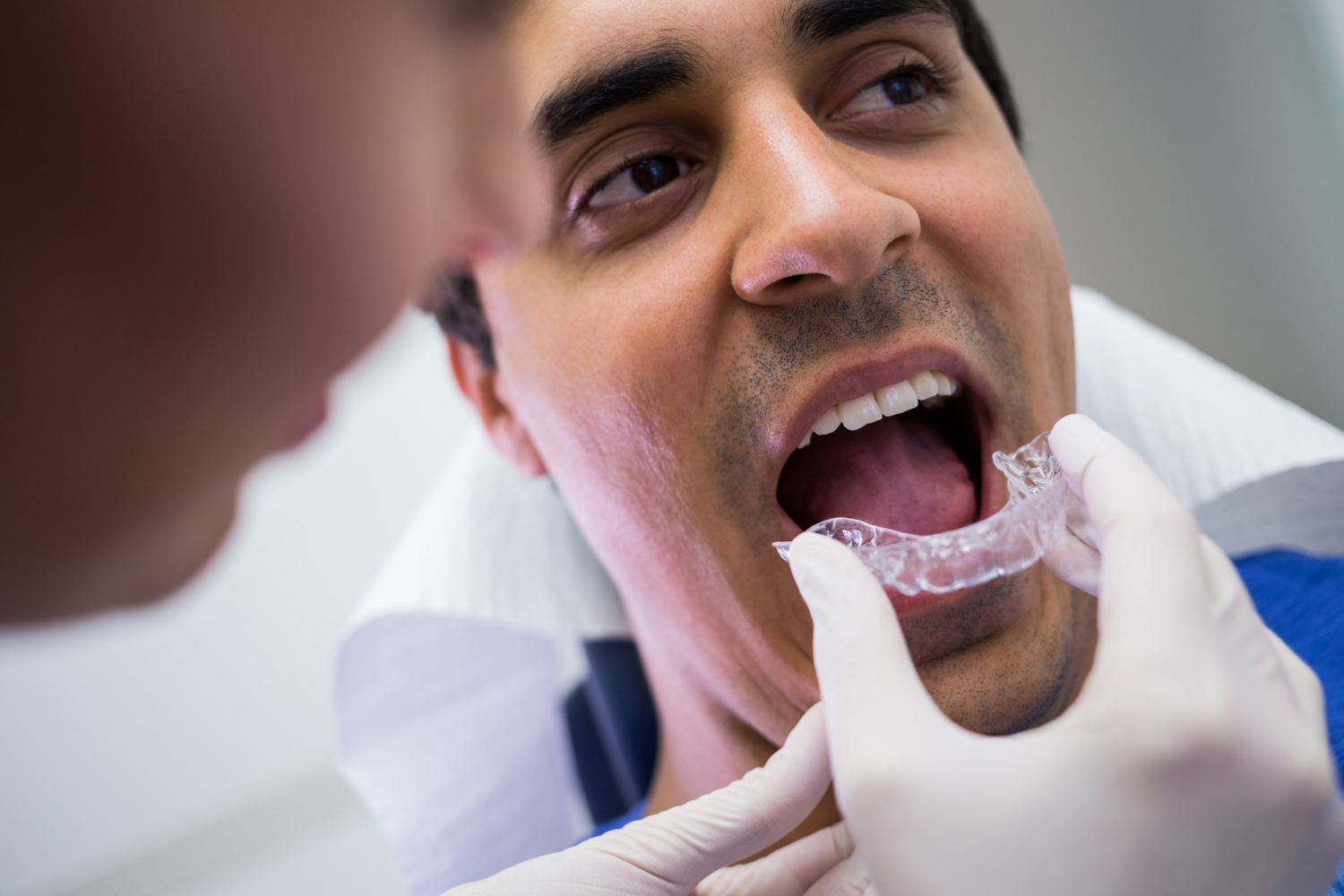
The changes in how orthodontics works for adults reflect a change in what adult patients want. Removable options can fit easily with an adult’s busy life. Clear aligners for teeth are easy to add to your nightly routine of brushing and flossing – and then pop them back in when you’re done. They can come out for important meetings or when you just need a break. They can come out for meals.
The percentage of orthodontic patients who are adults keeps growing. In the 1980s, fewer than 1 in 20 orthodontic patients was an adult. Today, the American Association of Orthodontists estimates that 1 in 4 orthodontic patients is an adult. That’s not a coincidence – it maps directly to when discreet, removable options became widely available.
Material science has quietly improved the results
Earlier versions of plastic trays had some limitations. As the material lost tension over time, the pressure applied to teeth became inconsistent with each change. This made the treatment less predictable and longer in duration.
New aligners are made of multi-layer medical-grade polymers that are specially designed to maintain more consistent pressure throughout the full period of each tray worn. The force is milder than traditional fixed appliances, and applied more continuously, which better mirrors the biology of how the teeth and the supporting bone actually react to each movement. The bone must remodel around the moving teeth, and a stable, moderate force must work with this process instead.
Attachments – small tooth-colored composite shapes bonded to specific teeth – allow the aligners to exert force at more complicated angles, giving clinicians control over movements that older plastic materials simply couldn’t achieve.
The relapse problem is more common than most people expect
A large proportion of adults who seek out orthodontic treatment are actually repeat customers. Those same teeth they had straightened in their teens have a way of creeping back, and it’s often the bottom front ones that are first to make a move. The reasons can be prosaic – retainers lost or rejected, the wisdom teeth muscling in and altering spacing, or simple, gradual, age-related shift.
The technical term for this is relapse, and it is why lots of people in their thirties and forties find themselves poring over old photos and thinking: “Hang on a minute.” The crowding may not be severe, but it is there, and tends to become more apparent with the years.
For this group, modern orthodontic treatment offers something previous generations didn’t have – a way to correct the issue without the social cost that came with visible metal hardware.
The connection between alignment and oral health
Aesthetics get most of the attention, but the functional case for straight teeth is worth understanding on its own terms. Misaligned teeth create uneven bite forces that wear down enamel in specific areas faster than others. Crowded teeth are harder to clean, and surfaces that can’t be properly cleaned are where decay and periodontal disease take hold.
There’s also the matter of jaw strain. Significant bite irregularities contribute to muscle fatigue and joint stress over time. Addressing these issues through orthodontic treatment isn’t cosmetic correction – it’s reducing long-term mechanical wear on structures that aren’t easily replaced.
The conversation around dental treatment has started catching up to this. Patients increasingly arrive having already connected their alignment concerns to broader health outcomes, not just appearance.
Getting started looks different now too
Tele-dentistry and remote monitoring have decreased the necessary number of in-office check-ins throughout treatment. For a lot of adults, that alone tips the scale. Weekly or bi-weekly visits were truly a challenge to fit into a professional life. Monitoring via app photo submissions and periodic clinical reviews changes what active treatment is asking you to give of your time.
Modern orthodontics isn’t asking you to sacrifice much. That’s precisely what makes it worth considering.