


































Hair loss can feel frustrating, especially when you start seeing more hair on your pillow, in the shower, or around your hairline. Two popular options people often compare are PRP and hair transplant. Both can help with hair loss, but they work in very different ways. The right choice depends on your hair loss stage, budget, goals, and what your doctor says after checking your scalp.
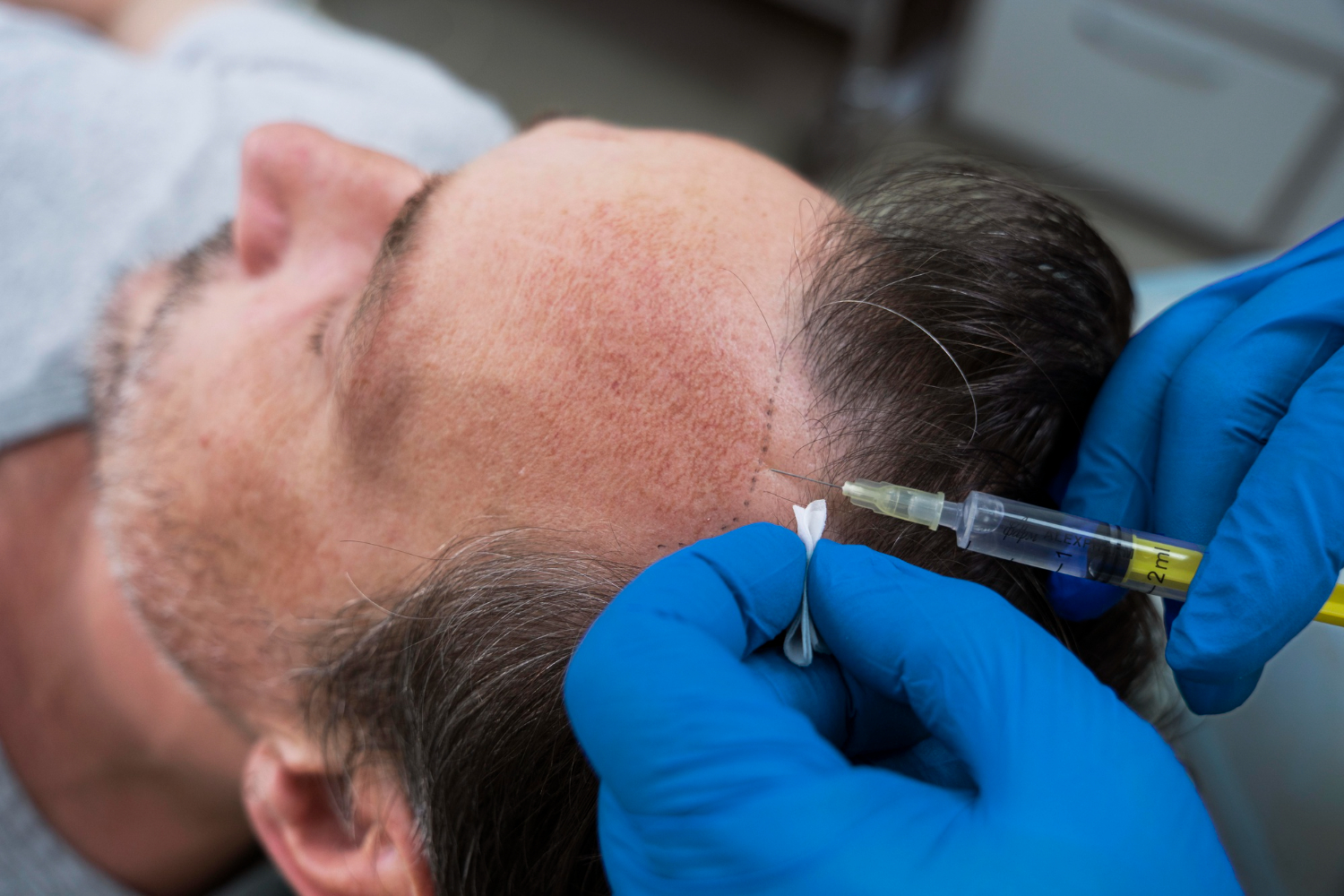
PRP stands for platelet-rich plasma. It is a non-surgical treatment where a small amount of your blood is taken, processed, and then injected into thinning areas of the scalp. The goal is to support weak hair follicles and help improve hair growth. The American Academy of Dermatology says studies show PRP can be a safe and effective hair loss treatment for some people.
A hair transplant is a surgical treatment. In this method, healthy hair follicles are taken from a donor area, usually the back or sides of the scalp, and moved to areas where hair is thin or missing. Mayo Clinic explains that a typical transplant moves hair follicles into bald areas to make the most of the hair a person still has.
What Makes PRP Different?
PRP is usually better for people who still have hair follicles in the thinning area. It may help when the hair is getting weaker, thinner, or less dense. It is not usually the best option for a completely bald area because PRP does not create new follicles.
The biggest benefit of PRP is that it does not involve surgery. There is usually little downtime, and many people return to normal activities quickly. But PRP is not a one-time fix. Most people need several sessions and may need maintenance treatments later. Results can also vary from person to person.
What Makes a Hair Transplant Different?
A hair transplant is more suitable when hair loss is advanced or when there are clear bald spots. It can create a fuller-looking hairline or cover areas where hair is already gone. The American Society of Plastic Surgeons describes two common methods: FUE, where individual follicles are removed, and FUT, where a strip of skin with follicles is taken and then prepared for placement.
The main benefit is that transplanted hair can look natural when done by a skilled surgeon. But it costs more, takes longer to heal, and results appear gradually over months. It also depends on having enough healthy donor hair.
Which One Is Right for You?
PRP may be right for you if your hair is thinning but not fully bald. It may also be a good choice if you want a non-surgical option and are comfortable with repeat sessions.
A hair transplant may be better if you have noticeable bald areas, a receding hairline, or long-term hair loss that no longer responds well to simpler treatments.
Some people may even use both. PRP can sometimes support hair health before or after a transplant, but this should only be planned with a qualified doctor. Johns Hopkins notes that PRP may help with male pattern baldness and may also support hair growth after hair transplant procedures.
Final Thoughts
PRP and hair transplant are not the same treatment. PRP works best when follicles are still active but weak. A hair transplant is better when hair needs to be moved into areas where follicles are gone or inactive.
Before choosing, speak with a dermatologist or hair restoration specialist. They can check the cause of your hair loss, your donor hair, your health history, and your expectations. To Find out more, start with a proper scalp diagnosis instead of guessing. The best treatment is not always the most popular one. It is the one that matches your real hair condition.