


































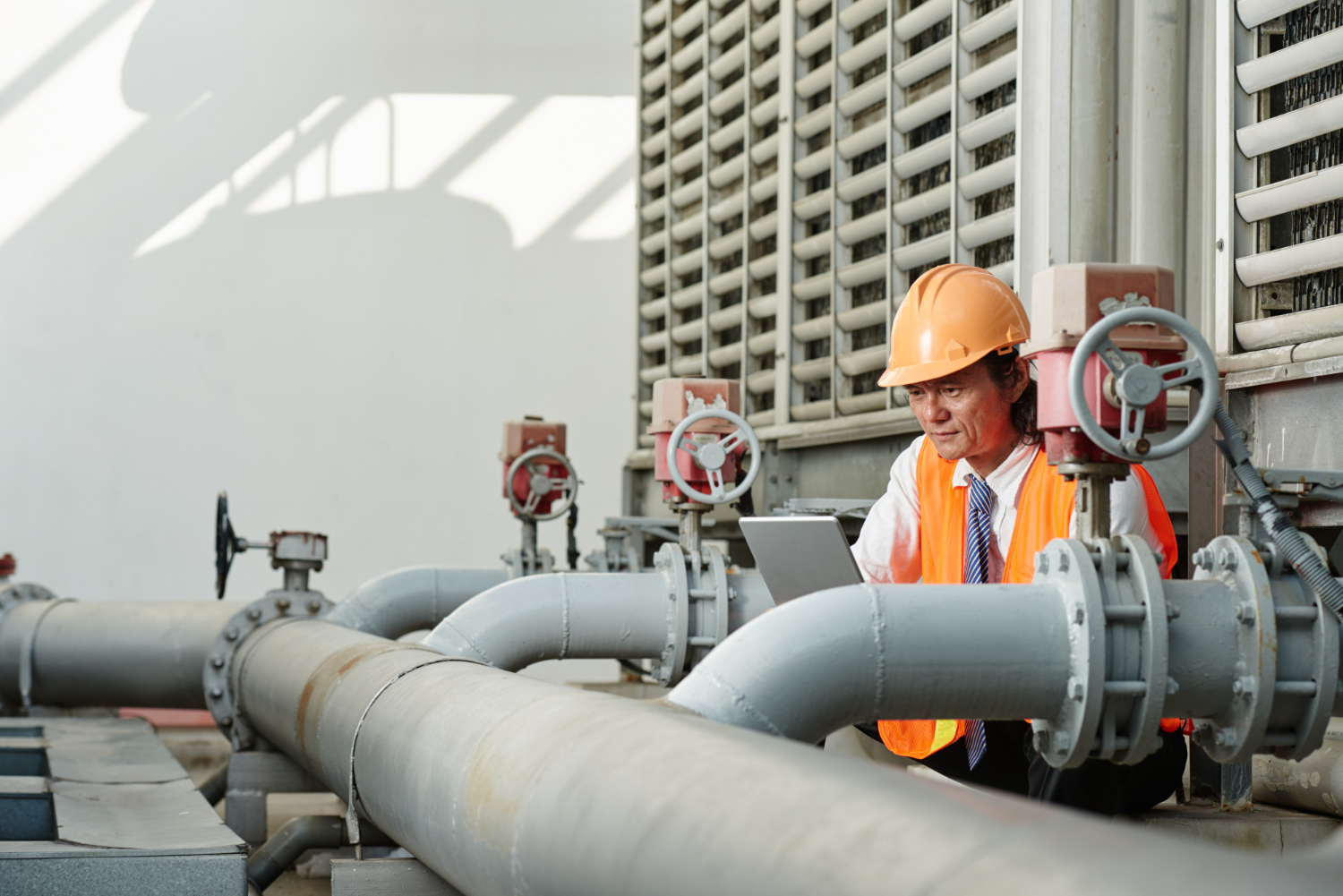
The term “pipework contractor” gets used a lot, but what does the job actually involve? If you have never needed one before, it can be hard to know what to expect. This guide breaks down the everyday work of pipework contractors, the industries they support, and the specialist techniques that set the good ones apart.
Installing and Altering Pipe Systems
At its core, pipework involves fitting, joining, and adjusting the pipes that carry liquids, gases, steam, or air around a building or site. This could mean anything from a small alteration in a factory to a full pipe network for a new construction project.
Pipework contractors work with many different materials, including copper, stainless steel, and carbon steel, and they need to understand how each one behaves under pressure, heat, or changing conditions. Getting this wrong can lead to leaks, pressure loss, or system failure, so accuracy really matters.
Repairing and Maintaining Existing Systems
Pipes do not last forever. Over time they can corrode, crack, or simply wear out. Part of a pipework contractor’s job is spotting these problems early and fixing them before they turn into something more serious, such as a burst pipe or a total shutdown.
Our pipeline repair services cover everything from small leaks to larger structural issues, helping keep systems running safely without unnecessary downtime.
Isolating Sections of Pipe Without a Full Shutdown
This is where things get more specialist. Shutting down an entire pipeline just to carry out one repair or modification can be hugely disruptive and expensive, especially for busy sites. Skilled pipework contractors use isolation techniques that allow work to happen on one section of pipe while the rest of the system stays live.
Three of the main methods are:
- Hot tapping, which allows a new connection to be drilled into a live pipe under pressure, without stopping the flow.
- Line stopping, where a temporary stopper is fitted inside the pipe so a section can be isolated and worked on safely.
- Pipe freezing, which uses extreme cold to form an ice plug inside the pipe, sealing that section without needing to drain the whole system.
These methods save time, reduce costs, and mean less disruption for everyone on site.
Working Across Many Different Industries
Pipework is not limited to one type of building or business. Contractors are called on across a wide range of sectors, each with its own rules and challenges.
- Construction sites, where new pipe systems need to be fitted as part of a wider build. See our construction pipework services for more.
- Schools, where pipework must be installed and maintained with strict attention to safety around pupils and staff, covered by our school pipework services.
- Healthcare settings, including hospitals, where clean and reliable pipe systems are essential. Our healthcare pipework services are built around these higher standards.
- Petrochemical and industrial sites, which often involve pressurised systems and hazardous materials requiring extra care and specialist knowledge.
Handling Steam, Petrochemical, and Other Specialist Systems
Not all pipework is the same. Some sites need systems that carry steam at high temperatures, while others deal with petrochemical products that require extra care around materials, sealing, and pressure control. These jobs need a contractor who understands the specific demands of that environment, rather than a general approach applied to every project.
Our clean steam pipework service is designed for sites, such as hospitals and food production facilities, where steam purity is critical. Meanwhile, our petrochemical pipework services are built around the stricter safety and material standards that come with handling these substances. Choosing a contractor with experience in your specific type of system reduces the risk of costly mistakes.
Fitting Around Your Schedule, Not the Other Way Around
Pipework contractors also need to plan their work around the site they are on. A hospital cannot simply close a ward for a repair, and a school cannot easily pause lessons for pipework to be replaced. Good contractors are used to working around these constraints, scheduling noisy or disruptive tasks outside of busy hours, and keeping communication clear throughout the project so there are no surprises.
This kind of planning is just as much a part of the job as the technical work itself, and it is often what separates a smooth project from a stressful one.
Following Strict Safety Rules
Because pipework often involves pressure, heat, or hazardous substances, contractors have to follow strict legal requirements. In the UK, this includes the Pipelines Safety Regulations 1996, which set out the standards for the safe design, construction, and operation of pipelines. A reliable contractor will always work within these rules, not around them.
Traditional Shutdown vs Modern Isolation Methods
| Approach | Traditional Full Shutdown | Modern Isolation Techniques |
| Downtime | Long, affects whole system | Short, only affects one section |
| Cost | Higher due to lost operation time | Lower overall due to reduced disruption |
| Suitable for emergencies | Slower to arrange | Can often be carried out quickly |
| Risk to surrounding system | Low, but everything stops | Managed carefully, rest of system stays live |
Getting the Right Team for the Job
Not every contractor offers the full range of services above. Some focus only on installation, while others specialise in emergency repairs or isolation work. When you are choosing pipework contractors for your project, it is worth checking exactly which of these services they can provide, so you are not left needing a second company partway through the job.
RDS Pipeline is a family run business based in Essex, offering the full range of pipework services described above to clients nationally and internationally. If you would like to discuss a project, get in touch with our team on 01277 500510.