


































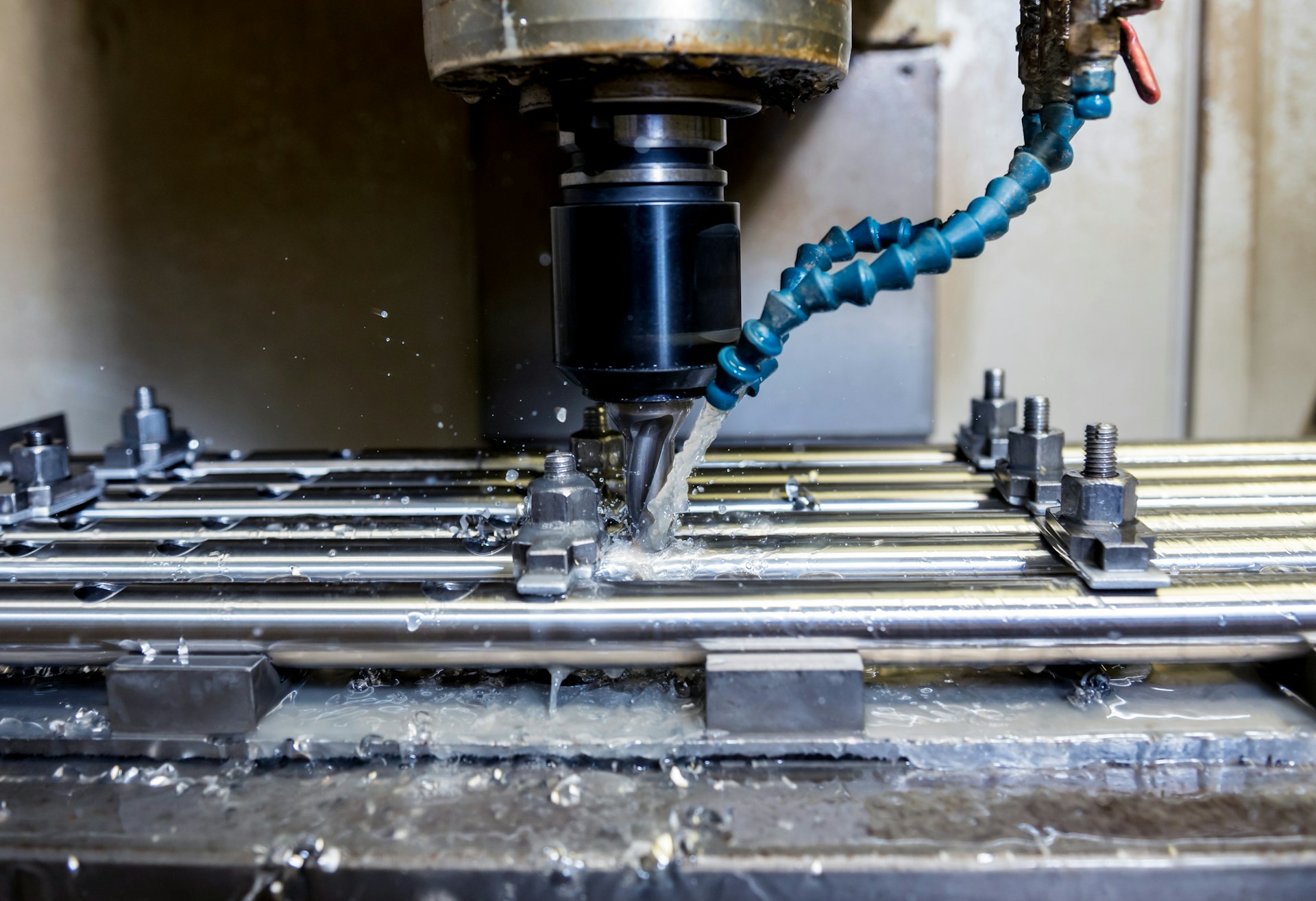
Combining drilling and tapping into a single operation is one of the simplest ways to compress cycle times on a CNC machine. Instead of indexing through separate drilling and tapping passes, a single tool produces the hole and the threads in one controlled motion. The result is fewer tool changes, less handling, and reduced labor overhead. For job shops and production environments where throughput matters, this efficiency adds up quickly across high-volume runs.
Beyond raw speed, this approach reduces positional error. When the drill point and tap section share the same axis, alignment problems that normally appear between two separate operations largely disappear. That consistency is exactly why so many process engineers are evaluating combination tooling as a standard part of their workflow.
Why a Combined Drilling and Tapping Operation Works
The core appeal of a drill tap combo is the “two-in-one” operation principle. A single pass drills the pilot hole and immediately follows with the threading section, eliminating the need to swap tools or re-establish position. This is most effective on through-hole configurations, where the drill point must break through before the tap section engages. Self-centering and piloted designs further improve accuracy by minimizing walk and positional drift.
Success depends largely on material compatibility and machine rigidity. The deeper technical considerations are worth reviewing before committing to a setup.
For shops exploring off-the-shelf and made-to-order options, a good starting point is reviewing drill tap combo options that include piloted taps, ground to close tolerances, and self-centering drill points. These configurations help match the tool to the hole type and engagement target you actually need.
Machine Requirements and Material Compatibility
Not every machine is suited to combination tooling. Rigid tapping capability is the single most important factor, since the tool must hold synchronized feed and spindle speed under load. Machines with weak spindles or excessive backlash can produce poor thread quality or break the tap section. Combo tools also impose a higher cumulative cutting load, so your machine must handle that demand without chatter.
Material behavior matters just as much. Free-machining steels, aluminum, and brass thread cleanly and evacuate chips with relative ease. Tougher alloys, stainless, and gummy materials demand slower speeds, better coolant delivery, and careful chip management to avoid packing and tool failure.
Hole Specifications and Thread Standards
Choosing the correct tap drill size is fundamental to a successful drill tap combo. The drill diameter determines thread engagement, and many practitioner resources target roughly 75% engagement as a practical balance between strength and tapping torque. Higher engagement increases thread strength but also raises the risk of breakage and oversize threads, while lower engagement reduces torque at the cost of holding power.
It is also critical to separate thread engagement sizing from clearance-hole sizing. Clearance holes follow close, normal, or loose fit standards, and mixing these up is one of the most common and costly mistakes in hole preparation.
Understanding Thread Tolerance Classes
Thread tolerance classes directly affect how close a tapped hole sits to the go/no-go gauge acceptance. Internal thread H-limits define how much the tapped thread can drift before it reads oversize, which influences both your hole prep and your expected thread quality. Selecting the right combo tool means accounting for these limits in advance so the finished thread passes inspection consistently. Many CNC manufacturers also use an industrial camera to automate visual inspection and dimensional verification, helping confirm thread quality and machining accuracy before components proceed to the next stage of production.
For a deeper technical explanation of how these tolerance classes behave and why they matter for oversize risk, an authoritative reference is valuable.
Review the guidance on thread standards and tapping tolerance classes from Sandvik Coromant to align your engagement targets with formal gauge acceptance criteria.
Coolant and Chip Evacuation Considerations
Chip control is often the deciding factor between a clean thread and a scrapped part. Because a drill tap combo generates chips from both drilling and threading, an evacuation strategy must be planned deliberately. Through-coolant delivery, where available, flushes chips out of through-holes and keeps the tap section clear. Without it, chip packing can damage threads or snap the tool.
Coolant choice also affects thread finish and tool life. Proper lubrication reduces friction during the tapping portion, lowering torque and helping maintain dimensional accuracy across long production runs. Proper cutting speeds, coolant delivery, and effective chip evacuation also extend tool life by reducing heat buildup and cutting-edge wear, helping minimize replacement costs and unexpected downtime.
Step-by-Step Selection Process
A structured selection process prevents most setup errors. Follow these inputs in order to map your application to the correct tool.
Mapping Specifications to the Right Tool
Start with the thread standard and size, then confirm the tap drill diameter against your target engagement. Next, verify the hole type, since through-hole geometry is required for most combo configurations. Finally, check length, geometry, and tolerance needs against your machine’s rigid tapping capability and coolant delivery.
Working through these inputs systematically ensures the finished thread meets specification while protecting both the tool and the workpiece.
Common Mistakes to Avoid
Several recurring issues undermine combination tooling. The most frequent is selecting the wrong tap drill size, which throws off engagement and produces weak or oversized threads. Poor alignment or inadequate centering causes positional error, while insufficient chip evacuation leads to packing and breakage. Mismatched coolant choices accelerate wear and degrade thread quality.
Each of these failure modes traces back to a planning gap. Confirming engagement, alignment, chip strategy, and tolerance class before cutting eliminates the majority of these problems.
Conclusion
Choosing the right drill tap combo comes down to matching tooling to your machine, material, and thread requirements. Confirm rigid tapping capability, target the correct thread engagement, plan chip evacuation, and respect tolerance classes so finished threads pass inspection. When these inputs align with your production volume and part geometry, a combination tool delivers meaningful cycle-time savings without sacrificing quality. Treat the selection process as a deliberate checklist, and the efficiency gains will hold up across every run.