


































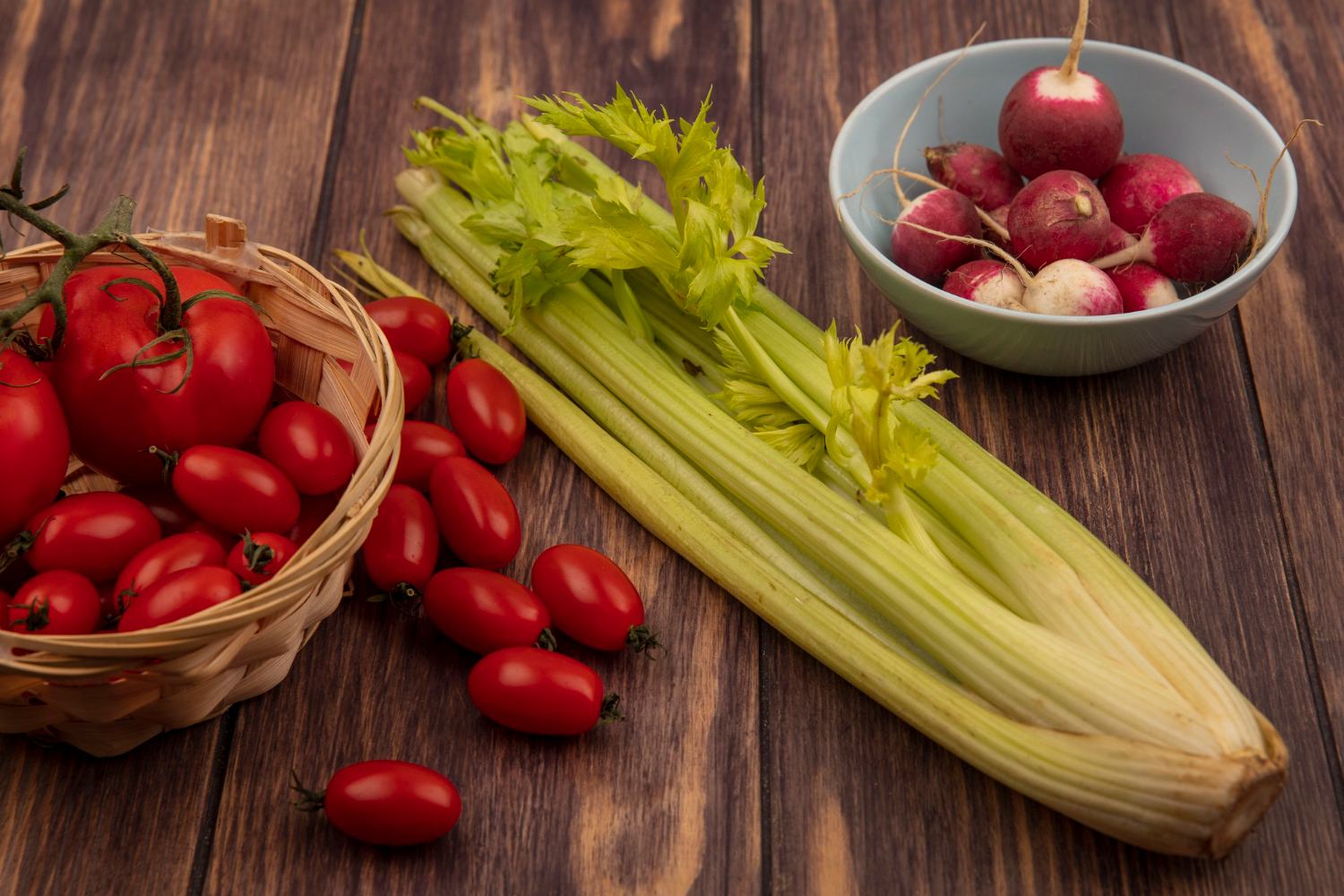
Have you ever walked past a bunch of celery in the grocery store and wondered why it’s become such a popular health food? It may not have the vibrant colors of berries or the trendy appeal of avocados, but celery has earned a strong reputation among health-conscious consumers.
As interest in natural, minimally processed foods continues to grow, more people are turning to simple ingredients that are nutritious, affordable, and easy to incorporate into everyday meals. That’s where pravi celer stands out.
Often referred to as “real” or “natural” celery, pravi celer has been valued for centuries for both its culinary uses and its role in traditional wellness practices. Crisp, refreshing, and packed with beneficial nutrients, it offers far more than its humble appearance suggests.
From salads and soups to juices and smoothies, celery has become a staple in modern healthy eating. Whether you’re looking to stay hydrated, increase your vegetable intake, or simply enjoy a low-calorie snack, pravi celer is a versatile option worth exploring.
In this guide, we’ll look at what pravi celer is, where it comes from, its nutritional profile, and the many reasons it remains one of the most widely appreciated vegetables today.
What Is Pravi Celer?
The term pravi celer translates to “real celery” or “true celery.” It is commonly used to describe celery that retains its natural flavor, aroma, and nutritional value.
Rather than emphasising long shelf life or mass production, pravi celer focuses on freshness, quality, and authentic taste. This often results in a vegetable with a more robust flavour and a closer connection to traditional cultivation methods.
Celery’s scientific name is Apium graveolens, and it belongs to the same plant family as parsley, carrots, and fennel. These vegetables are known for their distinctive flavors and valuable nutrient content.
Although celery is now a familiar ingredient in kitchens worldwide, its history stretches back thousands of years. Ancient cultures valued it not only as food but also as a plant associated with health and well-being.
Today, pravi celer continues to be appreciated as a nutritious, versatile ingredient that can be enjoyed raw, cooked, or blended into drinks.
The Origins of Pravi Celer
Celery’s story begins in the regions surrounding the Mediterranean Sea and parts of the Middle East, where the climate naturally supported its growth.
Long before it became a common vegetable, celery was used in traditional remedies and cultural practices. Ancient civilizations believed it offered various health-supporting properties and often incorporated it into their daily lives.
The Greeks and Romans both cultivated celery and associated it with wellness, digestion, and vitality. As agricultural methods improved, farmers developed varieties with a milder flavor and more appealing texture, helping celery transition from medicinal use to a culinary staple.
Today, celery is cultivated across the globe, yet it still carries the rich heritage of its ancient roots.
Types of Pravi Celer
While many people think of celery as a single vegetable, several varieties exist, each with unique characteristics and culinary uses.
Stalk Celery
The most familiar variety, stalk celery features long, crisp green stems with a refreshing flavor. It is commonly enjoyed raw, added to salads, or used in juices.
Celeriac (Celery Root)
Unlike traditional celery, celeriac is grown primarily for its edible root. Although rough in appearance, it has a rich, earthy flavor that works well in soups, purees, and roasted dishes.
Leaf Celery
Leaf celery is cultivated for its aromatic leaves rather than its stalks. Its stronger flavor makes it popular as a seasoning or herb in many cuisines.
One of celery’s greatest strengths is its versatility. Nearly every part of the plant, including the stalks, leaves, roots, and seeds, can be used in cooking.
Nutritional Value of Pravi Celer
Despite being low in calories, celery provides a surprising range of nutrients that contribute to overall health.
One of its standout features is its high water content. Roughly 95% of celery consists of water, making it an excellent food for hydration.
Per 100 grams, celery contains approximately the following:
- Calories: 16
- Water: 95%
- Carbohydrates: 3g
- Fiber: 1.6g
- Protein: Small amounts
- Fat: Minimal
This combination makes celery a satisfying, nutrient-dense food that fits easily into a balanced diet.
Key Vitamins and Minerals
Pravi celer supplies several essential nutrients that support normal body functions.
Vitamin K
Important for healthy blood clotting and bone maintenance.
Vitamin C
Supports immune function, skin health, and the body’s natural defense systems.
Vitamin A
Derived from beta-carotene, vitamin A contributes to healthy vision and skin.
Essential Minerals
Celery also provides:
- Potassium
- Calcium
- Magnesium
- Small amounts of iron
Together, these nutrients support muscle function, nerve signaling, bone strength, and cardiovascular health.
Beneficial Plant Compounds
Beyond vitamins and minerals, celery contains naturally occurring compounds known as antioxidants.
Antioxidants help protect cells from oxidative stress caused by free radicals and support the body’s natural defense mechanisms.
Some notable compounds found in celery include:
- Apigenin: A plant flavonoid associated with overall cellular health.
- Luteolin: An antioxidant that works alongside other protective compounds.
- Caffeic Acid: A naturally occurring antioxidant found in many plant foods.
- Flavonoids: Plant compounds linked to overall wellness and balanced nutrition.
These compounds contribute to celery’s reputation as a health-supportive vegetable.
Health Benefits of Pravi Celer
Celery is not a miracle food, but it can play a valuable role in a healthy lifestyle. Its combination of hydration, fiber, vitamins, minerals, and antioxidants offers several potential benefits.
Supports Digestive Health
The fiber in celery promotes healthy digestion and helps maintain regular bowel movements. Combined with its high water content, it supports comfortable digestive function and may help maintain a healthy gut environment.
Contributes to Heart Health
Celery contains potassium and naturally occurring compounds known as phthalides, which may support healthy blood vessel function and contribute to maintaining normal blood pressure levels when consumed as part of a balanced diet.
Assists With Weight Management
Because celery is low in calories and rich in water, it can help increase feelings of fullness without significantly increasing calorie intake. This makes it a popular choice for people looking to manage their weight while still enjoying satisfying foods.
Easy Ways to Enjoy Pravi Celer
One of celery’s biggest advantages is its versatility.
You can enjoy it:
- Raw as a crunchy snack
- Added to fresh salads
- Blended into smoothies
- Juiced for a refreshing drink
- Cooked in soups and stews
- Mixed into stir-fries and sauces
Its mild flavor allows it to complement a wide variety of ingredients and cuisines.
Whole Celery vs. Celery Juice
Celery juice has gained significant popularity in recent years, but whole celery still offers unique advantages.
Celery juice provides hydration and many of the vegetable’s nutrients. However, the juicing process removes much of the fiber, which is important for digestive health and satiety.
Both forms can be part of a healthy diet. The best choice depends on personal preference and nutritional goals.
Buying and Storing Celery
When shopping for celery, look for:
- Firm, crisp stalks
- Bright green leaves
- No signs of wilting or yellowing
Store celery in the refrigerator and use it within a week for optimal freshness and texture.
For home gardeners, celery can also be grown successfully with nutrient-rich soil, regular watering, and adequate sunlight.
Is Pravi Celer Safe?
For most people, celery is a safe and nutritious addition to the diet.
However:
- Individuals with celery allergies should avoid it.
- Those taking blood-thinning medications should discuss vitamin K intake with their healthcare provider.
- Excessive consumption may cause digestive discomfort in some people due to its fiber content.
As with most foods, moderation is key.
Common Celery Myths
Myth: Celery Is a Negative-Calorie Food
There is no scientific evidence showing that digesting celery burns more calories than the vegetable contains.
Myth: Celery Juice Is Superior to Whole Celery
Both offer benefits, but whole celery provides valuable dietary fiber that juice largely lacks.
Myth: Celery Alone Can Solve Health Problems
No single food can replace a balanced diet and healthy lifestyle. Celery works best as one component of an overall nutritious eating pattern.
Why Celery Remains Popular
Celery continues to gain attention because it combines several qualities people value:
- Affordable and widely available
- Low in calories
- High in water content
- Easy to prepare
- Versatile in recipes
- Rich in beneficial nutrients
In a world increasingly focused on simple, wholesome foods, celery remains a practical and reliable choice.
Conclusion
Pravi celer may appear ordinary, but its nutritional profile and versatility make it an impressive addition to any diet.
Rich in water, fiber, vitamins, minerals, and plant-based antioxidants, it supports overall wellness while remaining affordable and easy to enjoy.
Whether eaten raw, cooked, or juiced, celery offers a simple way to add more nutrition to your daily routine. Sometimes the most effective healthy foods are also the simplest, and celery is a perfect example.