








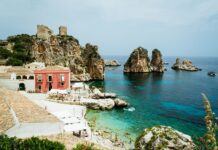


























El Salvador is rapidly emerging as a premier destination for travelers seeking the perfect blend of world-class waves and thrilling inland exploration. Planning a surf and adventure trip to El Salvador in 2026 requires balancing your desire for coastal relaxation with the country’s rich offerings of volcanic hikes, ancient Mayan sites, and vibrant coffee plantations. With rideable waves available more than 300 days a year and a tropical climate that keeps the water warm enough for boardshorts and bikinis year-round, this Central American gem caters to everyone from absolute beginners to seasoned wave-chasers. Carefully structuring your itinerary—whether you opt for a quick layover surf trip, a week-long surf camp, or a comprehensive multi-region tour—maximizes your time between the Pacific swells and the lush, mountainous interior.
What is the best time of year to visit for your surf level?
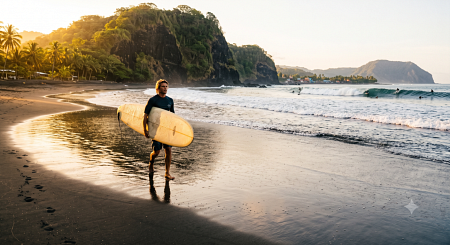
Surf conditions in El Salvador are phenomenal year-round, but selecting your travel dates heavily depends on your personal skill level and surf goals. During the dry season, which runs from November to February, the Pacific coast receives smaller, cleaner swells. This window produces manageable, waist-to-head-high point breaks and lighter winds, making it the absolute best time for beginners and improving intermediates to safely learn how to read a lineup.
Conversely, the wet season from March to October brings the strongest Pacific energy and significantly larger, more powerful swells. Advanced surfers flock to the country during these months to chase overhead waves and long, hollow right-handers at legendary breaks like Punta Roca and Punta Mango. Ultimately, align your travel dates with your comfort level in the water.
Which coastal region should you choose for your base?
El Salvador is generally divided into two distinct surf zones for establishing your base camp. The western coast, heavily branded as Surf City, is anchored by the lively town of El Tunco in the La Libertad department, located just 25 miles south of San Salvador. This area boasts the most developed infrastructure, featuring a high concentration of surf camps, resorts, and restaurants, making it an incredibly convenient choice for first-time visitors. Here, beginners can enjoy the mellow, consistent reef point of El Sunzal, while advanced surfers tackle the powerful left-hand river mouth of La Bocana.
On the other hand, the eastern coast, affectionately known as the Oriente Salvaje or Wild East, offers a more remote and tropical experience. Centered around small fishing villages like Las Flores and El Cuco, this region provides softer sand breaks and famously friendly surf communities. For a truly comprehensive experience, many travelers choose to combine both regions, spending a few nights enjoying the vibrant culture of the west before retreating to the tranquil, high-quality right points of the east.
Should you book a DIY itinerary or an organized package?
Travelers heading to El Salvador in 2026 face the choice between piecing together a completely independent DIY itinerary or investing in a fully organized surf and adventure package. A DIY approach provides maximum flexibility, allowing you to independently book international flights to San Salvador International Airport, secure a rental car, and handpick specific hotels, surf lessons, and daily excursions at your own pace. This method is ideal for those who prefer spontaneous travel and spot-hopping between distinct coastal towns like El Tunco, El Zonte, and Mizata.
Alternatively, booking a dedicated surf camp or a guided adventure package removes the stress of logistical planning. These comprehensive tours often bundle the following into one seamless experience:
- Accommodation
- Daily surf coaching
- Surfboard rentals
- Airport transfers
- Inland excursions
Many multi-day adventure packages are tailored to specific experience levels and even offer family-oriented options, ensuring that safety, local guidance, and structured progression are prioritized throughout your entire holiday.
What are the top inland adventure activities to add to your trip?
Beyond the spectacular coastline, El Salvador is a playground for eco-tourism and cultural exploration. Integrating inland adventure tour components into your itinerary provides a necessary physical break from paddling and enriches your understanding of the local landscape. Popular additions include guided hikes up imposing peaks like the Santa Ana volcano or exploring the lush trails of Cerro Verde National Park.
For those interested in history and agriculture, day trips to ancient Mayan archaeological sites and immersive tours through high-altitude coffee plantations along the famous Ruta de Flores are highly recommended. Thrill-seekers can easily arrange:
- Off-road dune buggy jungle tours
- Downhill mountain biking excursions from Comasagua back to the coast
- Afternoon kayaking trips through dense coastal mangrove forests near El Cuco
By layering these dynamic activities with your morning surf sessions, you create a perfectly balanced and unforgettable Central American vacation.
How do you handle practical logistics and connectivity upon arrival?
Ensure a smooth arrival at San Salvador International Airport by sorting your ground transportation and communication strategies in advance. Most reputable surf hotels and organized camps will happily arrange private transfers directly from the arrivals terminal to your coastal base, typically taking under an hour to reach La Libertad or about two hours to access the Wild East. While local buses are incredibly cheap and offer an authentic glimpse into daily life, they can be quite crowded and difficult to navigate when carrying bulky surfboards.
Therefore, utilizing private drivers, reliable ride-sharing apps in urban zones, or renting your own vehicle remains the most efficient way to access remote surf breaks and inland trailheads. Staying connected while navigating these routes is equally vital for accessing digital maps, coordinating with local surf guides, and staying in touch with family back home.
Setting up local mobile data for your trip
Securing reliable internet access immediately upon arrival is crucial for coordinating airport transfers and checking daily surf reports. Modern travelers increasingly prefer digital solutions over hunting for airport SIM kiosks or swapping physical chips. Activating a prepaid digital data plan before you even board your flight ensures that you have instant connectivity the moment you land.
For those looking to avoid exorbitant international roaming fees while enjoying flexible data options, purchasing the best eSIM for El Salvador provides a highly cost-effective and convenient alternative. This seamless digital activation allows you to retain your primary home number for crucial two-factor authentication texts while utilizing a robust local network to navigate the winding roads toward Surf City or the Wild East.
Managing broader international travel connectivity
If your 2026 itinerary involves traversing multiple borders across Central America or if you are a digital nomad requiring uninterrupted high-speed access for remote work, a localized data plan might need to be scaled up. Managing global connectivity requires a provider that can automatically connect to the strongest regional networks without incurring hidden charges.
This process is simplified by solutions like Amigo eSIM, which deliver hassle-free, instant data across hundreds of countries without physical SIM swaps. Utilizing such a service saves significant time and money, ensuring your mobile data remains reliable whether you are sending emails from a hammock in El Cuco or researching your next flight out of San Salvador.
What essential gear and currency do you need to pack?
Packing for El Salvador is refreshingly straightforward due to the country’s consistently warm tropical climate, which hovers around 25 to 28 degrees Celsius year-round. You can completely leave your wetsuit at home; boardshorts, bikinis, and lightweight rash guards for sun protection are the only surf attire you will need. Essential gear should heavily feature:
- High-quality, reef-safe sunscreen
- A wide-brimmed hat
- A sturdy reusable water bottle to maintain hydration
If you plan on tackling the volcanic trails, a pair of durable hiking shoes is an absolute must.
Regarding finances, the US dollar is the standard and official currency, making transactions incredibly easy for many international visitors. It is highly advisable to bring plenty of small bills for tipping local guides, purchasing street food like pupusas, and paying for short taxi rides. Additionally, Bitcoin is recognized as legal tender in El Salvador, and you will find cryptocurrency payment options particularly visible in forward-thinking surf hubs like El Zonte, widely known as Bitcoin Beach.