


































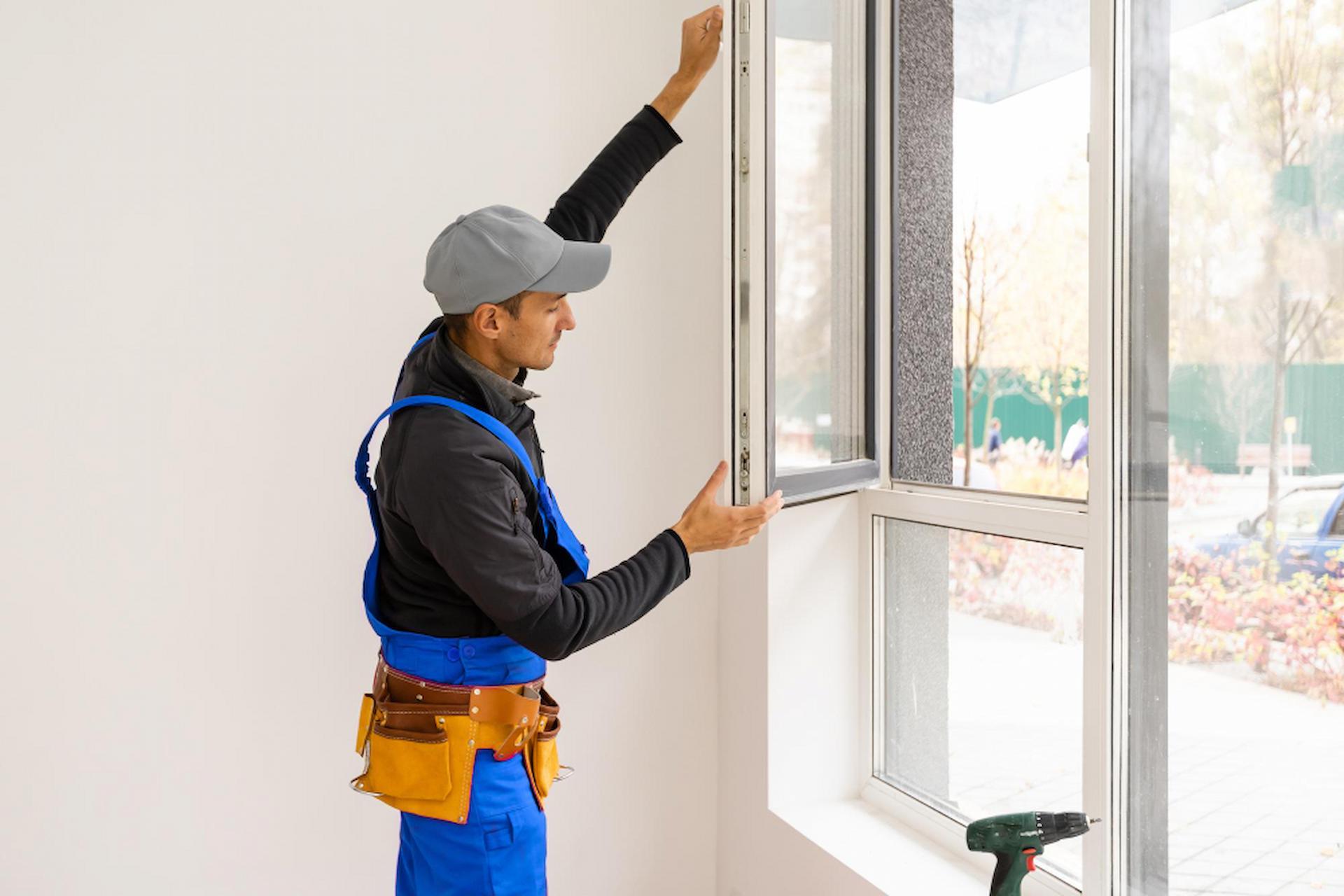
When a window or glass door is damaged, acting quickly is essential—not just for safety, but also for security and energy efficiency. However, many property owners face a common dilemma: should you opt for emergency glazing or boarding up? While both solutions address urgent situations, they serve different purposes depending on the severity of the damage, the timing, and the long-term plan.
This guide breaks down the key differences, helping you decide the right approach when unexpected damage occurs.
1. What Is Emergency Glazing?
Emergency glazing is the rapid repair or replacement of broken glass to restore a window or door to its original condition. It’s typically carried out by specialists who can install new glass on the same day or shortly after the damage occurs.
Unlike temporary fixes, this solution focuses on restoring functionality immediately. It ensures your property remains secure, weatherproof, and visually intact. Emergency glazing is commonly used in residential homes, retail shops, and office buildings where appearance and insulation matter.
In most cases, professionals carry standard glass sizes or can quickly cut glass to fit, reducing downtime and disruption.
2. What Is Boarding Up?
Boarding up involves covering broken windows or doors with durable materials such as plywood. It is a temporary safety measure designed to secure the property until permanent repairs can be arranged.
This method is widely used after incidents like vandalism, storms, or accidents where immediate glazing may not be feasible. Boarding up protects against further damage, unauthorised access, and exposure to weather.
While it’s not aesthetically pleasing, it provides a quick and cost-effective way to stabilise the situation, especially outside working hours or during emergencies when glass replacement isn’t immediately available.
3. When Should You Choose Emergency Glazing?
If the damage is manageable and a replacement can be installed quickly, emergency glazing is the preferred option. It is ideal when security, insulation, and appearance need to be restored without delay.
For example, shopfronts benefit significantly from immediate glazing repairs, as open or boarded windows can impact business operations and customer perception. Similarly, homeowners often choose this option to maintain comfort and prevent heat loss.
Emergency glazing is also suitable when dealing with double-glazed units or specialised glass that needs precise installation. It eliminates the need for temporary fixes and reduces the risk of further complications.
4. When Is Boarding Up the Better Choice?
Boarding up becomes the better option when immediate glass replacement isn’t practical. This can happen during late-night emergencies, severe structural damage, or when custom glass is required and not readily available.
It’s particularly useful in situations involving extensive breakage where securing the area quickly is the priority. For instance, after a break-in or storm damage, boarding up prevents additional risks while you arrange for permanent repairs.
This method also works well for vacant properties, construction sites, or buildings awaiting renovation, where temporary protection is sufficient until further work begins.
5. Speed vs Permanence: Key Differences
One of the main distinctions lies in how long each solution is intended to last. Emergency glazing offers a permanent or near-permanent fix, restoring the property immediately. Boarding up, on the other hand, is strictly temporary.
Emergency glazing prioritises long-term usability, while boarding up focuses on short-term safety. Choosing between the two depends on whether you need an instant complete repair or just a quick protective barrier.
Understanding this difference helps property owners make faster, more cost-effective decisions during stressful situations.
6. Cost Considerations
Cost can influence your choice, especially in urgent situations. Boarding up is generally less expensive upfront, as it involves basic materials and minimal labour.
Emergency glazing may cost more initially due to the materials, labour, and expertise required. However, it can be more economical in the long run because it eliminates the need for follow-up repairs.
For businesses, the cost of lost visibility or downtime often outweighs the price difference, making emergency glazing the more practical investment.
7. Impact on Security and Safety
Both solutions improve security, but in different ways. Boarding up creates a physical barrier that deters entry but may still signal vulnerability. Emergency glazing restores the original structure, making the damage less noticeable and reducing the risk of targeted incidents.
From a safety perspective, replacing broken glass immediately reduces hazards such as sharp edges or unstable frames. This is especially important in high-traffic areas or family homes.
Choosing the right option depends on how urgently you need to eliminate risks and restore normal conditions.
8. Weather Protection and Insulation
Broken windows expose interiors to wind, rain, and temperature fluctuations. Emergency glazing offers superior protection by sealing the space completely, maintaining indoor comfort and energy efficiency.
Boarding up provides basic coverage but doesn’t offer the same level of insulation. Gaps or thin materials may still allow drafts and moisture to enter, which can lead to further damage over time.
If weather conditions are a concern, emergency glazing is usually the more reliable choice.
Conclusion
Both emergency glazing and boarding up serve important roles in handling unexpected damage, but they are not interchangeable. Emergency glazing is the best choice when you need a fast, permanent repair that restores safety, insulation, and appearance. Boarding up, meanwhile, is a practical temporary solution when immediate replacement isn’t possible.
The right decision depends on timing, severity, and your long-term plans. By understanding the strengths of each option, you can respond quickly and effectively, protecting your property while minimising disruption.