


































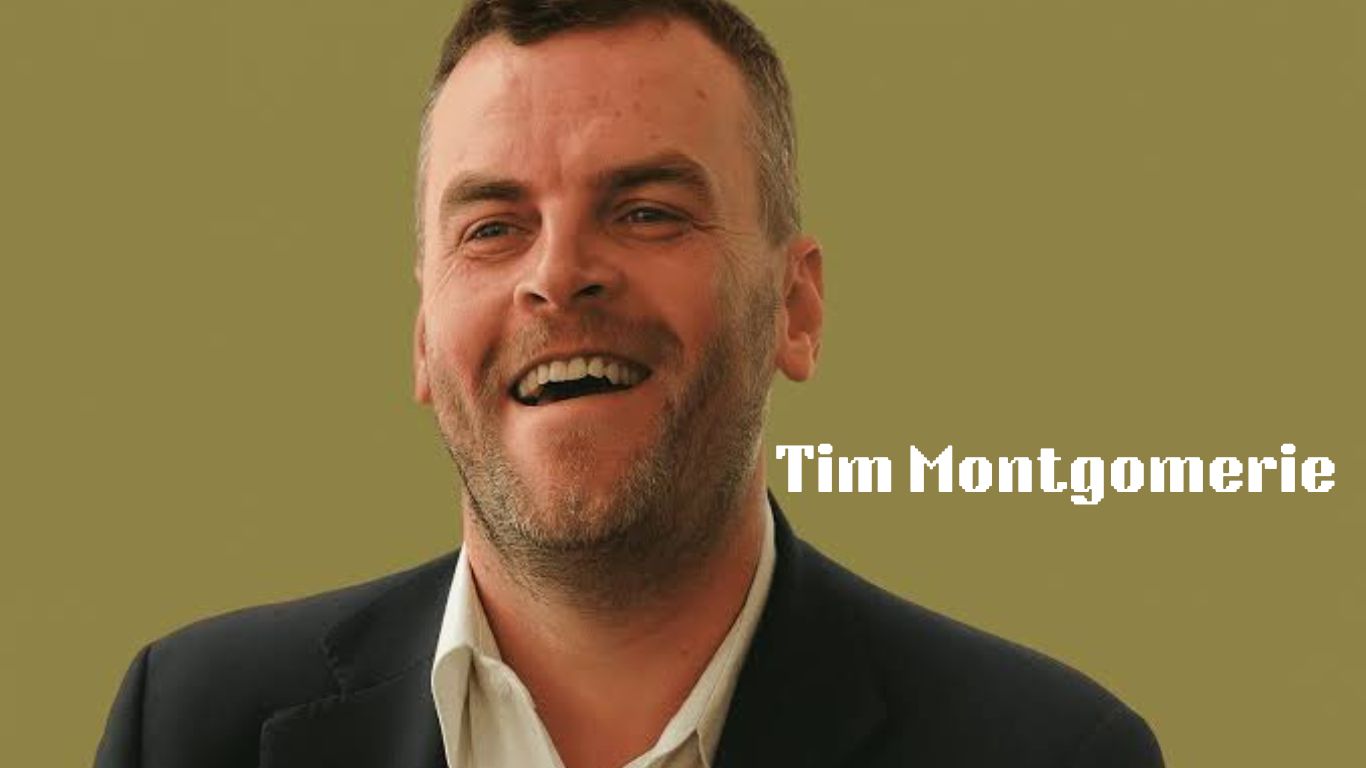
In political circles, the name Tim Montgomerie arouses a mixture of respect, interest, and conflict. Montgomerie has long been a leading voice in British conservatism, known for his astute political commentary, influential site ConservativeHome, and shifting ideological stances.
However, a distinct kind of online curiosity has emerged in recent years: searches for “Tim Montgomerie health problems.” A portion of this attention stems from sincere worries, while a portion stems from false information that is magnified by social media’s echo chamber.
By providing a thorough, evidence-based biography of Tim Montgomerie that covers what is known about his health particularly his candid discussion of mental health issues—without conjecture or embellishment, this page seeks to distinguish fact from rumour.
Early Years and Experience
Tim Montgomerie was born into a military family in Barnstaple, Devon, on July 24, 1970. His upbringing was characterised by the mobility and discipline typical of Army households, which would subsequently impact his political identity and feeling of civic obligation.
Before attending the University of Exeter to study geography and economics, he attended local schools. He started forming his worldview at Exeter on conservative ideals, Christianity, and social responsibility. He was intelligent, well-spoken, and passionate about both political theory and moral philosophy, according to friends and academics.
Early Political Involvement
Tim Montgomerie’s interest in politics began while he was at university, where he became actively involved in conservative student movements. Guided by his Christian faith and values, he co-founded the Conservative Christian Fellowship (CCF) in the early 1990s. The organisation was established to encourage the integration of Christian principles into Conservative Party politics and promote a compassionate approach to public service.
This early work established Montgomerie as a voice capable of bringing together traditional conservative values with a stronger focus on social responsibility. Throughout his career, he has consistently advocated for policies that combine fiscal responsibility with practical solutions to improve the lives of vulnerable communities.
Founding ConservativeHome: Transforming Conservative Politics Online
In 2005, Montgomerie founded ConservativeHome, an independent political website that quickly became one of the UK’s most influential conservative platforms. At a time when political blogging was still emerging, the website created a space where party members, activists, and supporters could openly discuss ideas outside official Conservative channels.
ConservativeHome became known for its in-depth analysis, opinion pieces, and polling, regularly influencing conversations within Westminster. While supportive of Conservative principles, Montgomerie was never reluctant to challenge party leadership when he believed change was needed. His balanced approach earned him respect across the political spectrum.
By giving greater visibility to grassroots members and encouraging open debate, he played a significant role in modernising the Conservative Party’s digital engagement well before social media reshaped political communication.
The Centre for Social Justice
Alongside his work in political media, Montgomerie co-founded the Centre for Social Justice (CSJ) with Iain Duncan Smith. The think tank was created to address long-term social challenges such as poverty, addiction, family breakdown, educational disadvantage, and welfare reform.
His involvement with the CSJ reflected a belief that conservative politics should extend beyond economic policy and actively seek to strengthen families and communities. This emphasis on combining personal responsibility with meaningful social reform became a defining characteristic of his public work.
Journalism and Political Commentary
As his influence grew, Montgomerie moved into national journalism, joining The Times as Comment Editor in 2013. In this role, he wrote extensively on British politics, public policy, and the future of conservatism.
Over the years, he has contributed to several leading publications and has become a familiar face on television, appearing on BBC News, GB News, and Sky News. His commentary often explores subjects including Brexit, social policy, political leadership, and the changing values shaping modern Britain.
Known for combining thoughtful analysis with a willingness to question his own political side, Montgomerie has earned a reputation as one of Britain’s most respected conservative commentators.
Speaking Openly About Mental Health
Beyond politics and journalism, Tim Montgomerie has been recognised for speaking openly about mental health. His willingness to discuss personal challenges has added a human dimension to his public profile and encouraged broader conversations about wellbeing within politics.
By sharing his experiences, he has highlighted the importance of resilience, compassion, and seeking support, demonstrating that public figures can help reduce the stigma surrounding mental health while remaining engaged in public life.
Speaking Openly About Mental Health
Following the COVID-19 lockdowns, Tim Montgomerie spoke candidly about his experience with depression and how prolonged isolation affected his sense of purpose. At a time when many public figures avoided discussing their personal struggles, he chose to be open about the emotional impact of the pandemic.
His honesty helped encourage more open conversations about mental wellbeing, particularly among men in politics and the media, where vulnerability is often overlooked or mistaken for weakness.
The response to his comments was largely positive. Montgomerie stressed that acknowledging mental health challenges reflects honesty and self-awareness rather than personal failure. His message resonated with many people who had followed his political work but found themselves connecting with his personal experiences.
By speaking publicly about depression, he also helped bring greater awareness to an issue that affected millions during the pandemic, reminding audiences that mental health deserves the same understanding and attention as physical health.
Separating Fact from Rumour
Over the past few years, online searches and social media discussions have prompted questions about Tim Montgomerie’s health. While some speculation has suggested he may be dealing with a serious physical illness, there is no credible evidence to support those claims.
Based on his own public statements, the only health issue he has openly discussed relates to his mental wellbeing during and after the pandemic. He has not announced any chronic physical illness, disability, or serious medical condition.
Several factors have contributed to the spread of misinformation:
- Public figures are frequently judged based on their appearance, leading to unfounded speculation about their health.
- Unverified rumours are often repeated across websites and social media without supporting evidence.
- Some people confuse Tim Montgomerie, the British political commentator, with Tim Montgomery, the American former sprinter, creating additional confusion.
- Discussions about mental health are sometimes incorrectly interpreted as evidence of more serious physical illness.
The available evidence points to a straightforward conclusion: Montgomerie has spoken openly about depression and anxiety, but there is no verified information indicating that he suffers from a serious physical health condition.
Managing Pressure in Public Life
Montgomerie’s career has spanned politics, journalism, and public commentary, all of which involve demanding schedules and constant public scrutiny. The pressures of the modern news cycle, political debate, and online criticism can take a significant toll on anyone working in public life.
Rather than ignoring those pressures, he has acknowledged the importance of taking time to recover and maintaining emotional wellbeing. He has spoken about the value of rest, faith, and supportive communities in helping people navigate difficult periods.
His reflections suggest that resilience is not about avoiding struggles but about recognising them and responding in healthy, constructive ways.
Political Realignment
In 2024, Tim Montgomerie attracted significant attention after announcing his departure from the Conservative Party and his support for Reform UK. Given his long-standing association with Conservative politics, the move surprised many observers.
He explained that the decision was based on political principles, arguing that the Conservative Party had moved away from values he believed were fundamental, including national identity, cultural renewal, and effective governance. In his view, Reform UK offered a stronger platform for those priorities.
As with many high-profile political changes, speculation quickly followed. Some online discussions attempted to link his decision to health concerns. However, there is no evidence supporting those claims. His political realignment was presented as an ideological decision rather than one connected to medical issues.
Faith and Personal Values
Faith has long been an important part of Montgomerie’s outlook. As a practising Christian, he has often written and spoken about the role of forgiveness, humility, compassion, and personal responsibility in both public life and leadership.
Although he generally keeps his private life out of the spotlight, he has acknowledged that his faith and close community have provided stability during challenging periods, including his struggles with mental health.
These personal convictions have remained a consistent influence throughout his career and continue to shape his approach to politics and public debate.
Public Reputation
Throughout his career, Tim Montgomerie has attracted both praise and criticism. Supporters value his independent thinking, willingness to challenge political orthodoxies, and thoughtful analysis. Critics argue that his political positions have evolved in ways that sometimes surprise long-time followers.
Regardless of differing opinions, he remains a recognised and influential voice in British political commentary.
His openness about mental health has also expanded his public legacy beyond politics, demonstrating that effective leadership can include honesty, vulnerability, and self-reflection.
Respecting Privacy
Public interest in prominent figures is understandable, but discussions about health should always be grounded in verified information rather than speculation.
In Tim Montgomerie’s case, the facts are clear:
- He has publicly discussed experiencing depression and other mental health challenges following the COVID-19 pandemic.
- He has not announced any serious or ongoing physical illness.
- Claims suggesting otherwise are not supported by credible evidence.
Distinguishing confirmed facts from online speculation is essential to ensuring fair and accurate public discussion.
It is our responsibility as citizens and readers to treat such subjects with compassion and moderation.
Present Projects and Prospects
Tim Montgomerie is still involved in politics as of 2025 through podcasts, interviews, and criticism. He continues to be a unique voice in British media, not hesitant to question conventional wisdom on both the left and the right.
He has gained respect from people of all ideologies due to his moral seriousness and intellectual curiosity. He addresses every subject with the complexity of someone who has experienced both success and hardship, whether it is culture, policy, or personal religion.
Montgomerie has stressed the value of honesty, humility, and rejuvenation in political life in his most recent appearances—a message that strikes a chord in a time of pessimism.
His openness to talk openly about mental health has, if anything, increased his credibility and served as a reminder to viewers that sincerity is still an important and uncommon quality in public debate.
The Story’s Greater Significance
Tim Montgomerie’s story illustrates a broader reality about contemporary culture. Public personalities are frequently reduced to rumours, memes, and headlines, but behind every name is a person dealing with the same issues as everyone else.
In a society that is frequently characterised by pretence, Montgomerie’s admission of his mental health journey elevated him above the status of political pundit and made him a figure of honesty and resiliency.
His experience inspires other professionals to reject the stigma associated with mental illness and to take their well-being seriously, particularly in high-stress professions.
In conclusion
According to the public record, Tim Montgomerie’s health issues are related to his mental health issues during the epidemic, which he has bravely talked about. Beyond that, there is no confirmed information indicating a persistent medical problem or a major physical sickness.
To characterise him based solely on rumours would be to overlook the much more compelling tale of a morally upright writer, thinker, and devout man who is still developing both in public and privately.
His life story is one of perseverance rather than weakness; it is the tale of a man who used his platform to promote sincere dialogue about politics, culture, and the human condition, gained influence via conviction, and honestly faced personal setbacks.
Montgomerie’s example serves as a reminder that, despite the abundance of false information in the digital age, a public figure’s most potent tools are still honesty, integrity, and vulnerability.