


































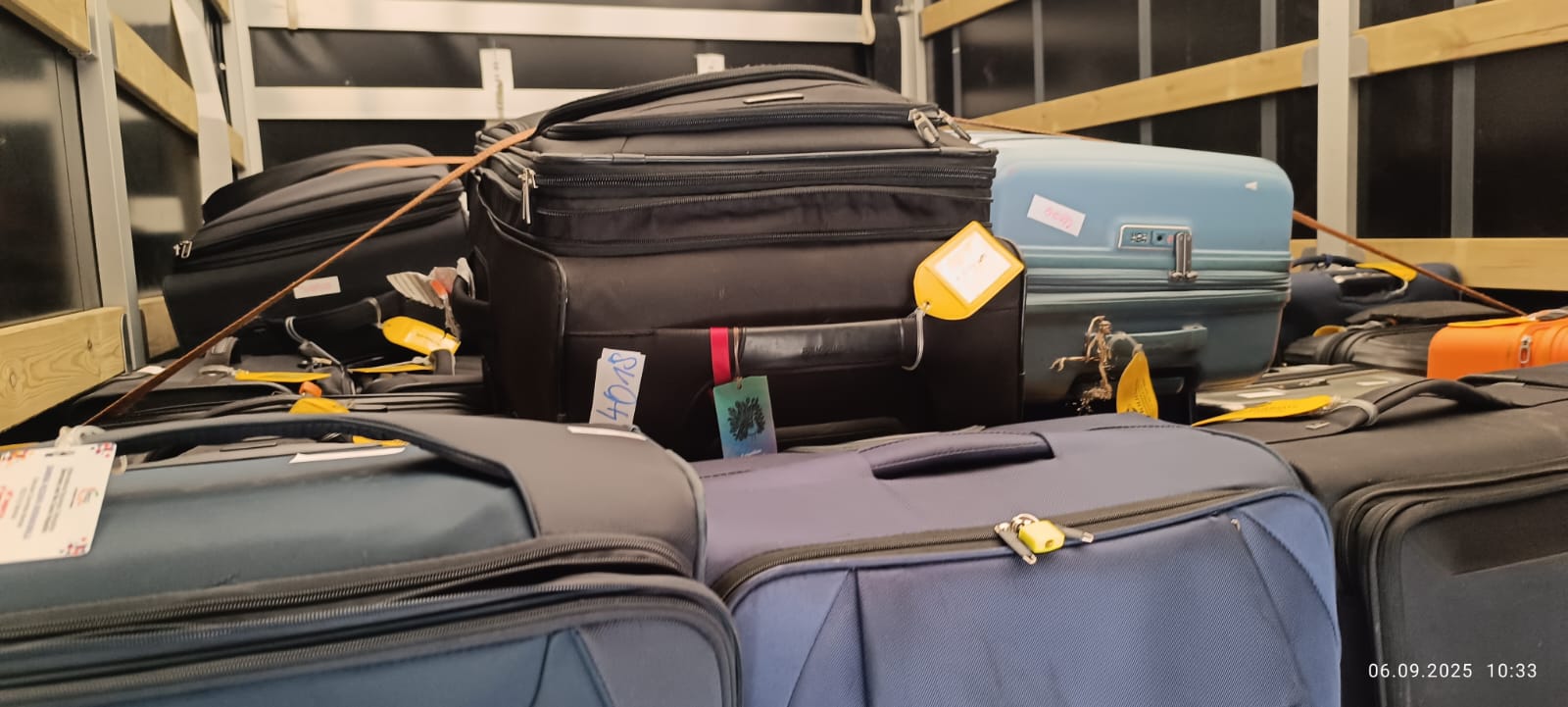
Moving abroad for university is an exciting opportunity, but organising the relocation itself can quickly become overwhelming. Between confirming accommodation, preparing documents, packing personal belongings and arranging transport, students often have dozens of tasks to complete before the start of term.
Using a professional student removals service can make the process considerably easier. Instead of trying to transport suitcases, boxes, electronics and furniture independently, students can arrange collection and delivery based on their accommodation dates and individual requirements.
Whether you are moving to Brussels, Antwerp, Ghent, Leuven or another Belgian city, early preparation can help you control costs, avoid delays and arrive ready to begin university life.
Why Student Moves Require Careful Planning
A student relocation is usually smaller than a full household move, but it can still involve complex logistics. Many students need to move between countries, coordinate access to halls of residence and work around fixed university registration dates.
Student accommodation can also create practical challenges. Buildings may have restricted parking, narrow staircases, limited lift access or specific times when new residents are allowed to collect their keys.
A clear moving plan should therefore include:
- Your confirmed collection address.
- Your complete delivery address.
- The date you can access your new accommodation.
- An estimate of the number and size of your items.
- Details about stairs, lifts and parking.
- Information about fragile, valuable or unusually large belongings.
Providing this information when requesting a quote helps the removals provider recommend a suitable vehicle, schedule and level of assistance.
What Should a Student Removals Service Include?
The right moving service should reflect the realities of student life. Affordability is important, but the cheapest quote is not always the best option when moving valuable electronics, study materials and personal belongings across a long distance.
Before booking, look for a service that provides clear information about the following areas.
Flexible Transport Options
Some students only need to move several boxes, a suitcase and a computer. Others may be transporting desks, chairs, bookcases, musical instruments or the contents of an entire studio flat.
A removals provider should be able to recommend an appropriate transport option based on volume rather than forcing every customer to pay for a full household move.
Transparent Pricing
Ask what the quotation includes before confirming the booking. The provider should explain whether the price covers loading assistance, unloading, fuel, road charges, insurance and delivery to the final address.
You should also disclose potential complications, such as difficult access, heavy furniture or a long distance between the vehicle and the building entrance. This reduces the risk of unexpected costs on moving day.
Help With Loading and Unloading
Loading boxes into a vehicle can be physically demanding, particularly if you live above the ground floor or need to move heavy items.
Confirm whether the driver or moving team will assist with loading and unloading. You should also ask whether additional help can be arranged if you have large furniture or limited access at either property.
Packing and Storage Options
Not every student will need a complete packing service. However, professional packing can be useful when transporting fragile electronics, monitors, artwork or valuable equipment.
Short term storage may also help if you must leave your current accommodation before your new room becomes available. Ask about storage early, as it may affect the transport schedule and total quotation.
Create an Inventory Before Requesting a Quote
One of the best ways to plan an affordable student move is to create a detailed inventory. This does not need to be complicated. A simple list, supported by photographs, can help the removals company estimate the required space.
Divide your belongings into categories such as:
- Boxes of clothes.
- Books and study materials.
- Suitcases and travel bags.
- Computers, monitors and other electronics.
- Kitchen equipment.
- Bedding and towels.
- Small furniture.
- Sports or musical equipment.
Measure larger items and record their approximate dimensions. If possible, take photographs or a short video showing everything you intend to move.
Accurate information makes it easier to receive a realistic quote and helps prevent problems caused by booking a vehicle that is too small.
Packing for an International Student Move
Good packing protects your belongings and makes loading, transport and unpacking more efficient.
Use strong, double-walled boxes for books, kitchen equipment and heavier items. Avoid filling large boxes entirely with books, as they may become difficult to lift. Smaller boxes are usually more suitable for dense or heavy belongings.
Label every box with:
- Your name.
- The destination address.
- The contents.
- The room where it should be placed.
- A clear warning if the contents are fragile.
Use protective wrapping around monitors, computers, lamps and other delicate items. Fill empty spaces inside boxes to stop objects from moving during transport.
Keep passports, identification, university documents, medication, payment cards, chargers and essential clothing with you rather than placing them in the removals vehicle.
Planning Removals to Belgium
International moves require more coordination than local relocations. When arranging removals to Belgium, provide the transport company with complete information about both addresses and your preferred collection and delivery dates.
You should also explain whether your timetable is flexible. A flexible collection window may provide more transport options, while a fixed date may require a dedicated vehicle.
Important details to discuss include:
- The countries of collection and delivery.
- Your preferred moving dates.
- The total estimated volume.
- Parking access at both properties.
- Stairs, lifts or restricted entrances.
- Items requiring special handling.
- Whether you need packing or storage.
- Whether the route crosses a customs border.
Documentation requirements can vary depending on where you are moving from, your personal circumstances and the belongings being transported. Check the current requirements before your move and provide requested documents as early as possible.
How to Reduce the Cost of a Student Move
Student budgets are often limited, but there are several practical ways to reduce moving expenses without compromising the safety of your belongings.
Declutter Before Packing
Transporting items you no longer need increases the volume of your move. Sell, donate or recycle unwanted clothes, books, furniture and kitchen equipment before requesting your final quote.
Book Early
Moving companies can become busy around the beginning and end of university terms. Booking early usually provides more choice of dates and gives you time to compare suitable services.
Be Flexible With Dates
If you do not require collection or delivery at a precise time, tell the provider. Flexible scheduling may allow your belongings to be transported as part of an efficiently planned route.
Pack Independently Where Practical
Students with mostly boxes and suitcases may be able to pack their own belongings. Use appropriate materials and ask the removals company how items should be prepared.
Professional packing remains worth considering for fragile, expensive or difficult to replace possessions.
Provide an Accurate Inventory
An inaccurate inventory can lead to an unsuitable quote or insufficient vehicle space. Measure larger items and disclose everything you intend to transport.
Preparing Your Accommodation for Collection
Before the vehicle arrives, make sure all boxes are sealed, labelled and ready to move. Create a clear path between your belongings and the entrance.
Check whether the building requires permission for a removals vehicle to stop outside. In busy residential areas, parking restrictions can affect how quickly items can be loaded.
You should also:
- Disconnect and secure electronic equipment.
- Empty and clean small appliances.
- Remove loose shelves from furniture.
- Protect furniture corners and glass surfaces.
- Keep keys and access codes readily available.
- Photograph valuable items before collection.
- Prepare an inventory for your own records.
Tell the removals provider about any heavy objects, narrow corridors or staircases before moving day. Advance notice allows the team to prepare suitable equipment and allocate enough time.
What to Keep With You While Travelling
Your removals shipment and your personal journey may follow different schedules. Prepare a separate bag containing everything you will need immediately after arriving.
Your essential bag should include:
- Identification and travel documents.
- University enrolment information.
- Accommodation documents.
- Medication and prescriptions.
- A laptop, phone and chargers.
- Basic toiletries.
- A change of clothes.
- Bedding if it is not provided.
- Important contact details.
- Basic food or snacks for your first evening.
Do not place passports, keys, cash, jewellery or essential medication inside packed moving boxes.
Moving Day Checklist
Confirm the collection time and contact details before moving day. Keep your phone charged and make sure the moving team can reach you if there are access difficulties.
As items are loaded, check them against your inventory. Photograph the packed boxes and any valuable furniture before transport.
Before leaving the property:
- Check every cupboard, drawer and storage area.
- Take meter readings where required.
- Remove rubbish and unwanted packing materials.
- Close windows and lock doors.
- Return keys according to your tenancy agreement.
- Confirm the delivery arrangements with the removals provider.
At the destination, check your belongings as they are unloaded and report any visible concerns promptly.
Settling Into Student Life in Belgium
Once your belongings arrive, unpack essential items first. Set up your bed, study area, internet connection and basic kitchen equipment before dealing with decorations or less important boxes.
Use your labels to place each box in the correct room. This is especially helpful when moving into shared accommodation, where several residents may be unpacking at the same time.
Keep your inventory until everything has been checked. Flatten reusable boxes and store them somewhere dry if you expect to move again at the end of the academic year.
Frequently Asked Questions
When should I book a student removals service?
Book as soon as your accommodation and moving dates are confirmed. Demand may increase near the start and end of university terms, so early booking can provide more scheduling options.
Can a removals company transport only a few boxes?
Many student moves involve only boxes, suitcases and a small number of personal items. Provide an accurate inventory so the company can recommend an appropriate option.
How do I estimate the volume of my belongings?
List your boxes, bags, furniture and equipment, then record the approximate dimensions of larger items. Photographs or a short video can also help the provider estimate the required space.
Should I purchase additional insurance?
Ask what protection is included in the quotation and whether there are limits or exclusions. Additional cover may be appropriate for expensive electronics, specialist equipment or valuable personal belongings.
Can I move furniture to student accommodation?
This depends on the size of the furniture and the rules of your accommodation. Measure the item, check access at both addresses and confirm that your new room has enough space.
What information should I include in my quote request?
Include the collection and delivery addresses, preferred dates, estimated volume, access details and a list of any heavy, fragile or unusual items. Mention whether you need packing, storage or additional loading support.
Make Your Student Move Easier
A successful university relocation begins with accurate information, careful packing and early scheduling. Creating an inventory, confirming building access and choosing an experienced removals provider can make the journey considerably less stressful.
Students planning a move to Belgium should request a detailed quotation based on their route, dates and volume of belongings. With the right support in place, you can focus less on transport logistics and more on preparing for your studies and your new life abroad.