


































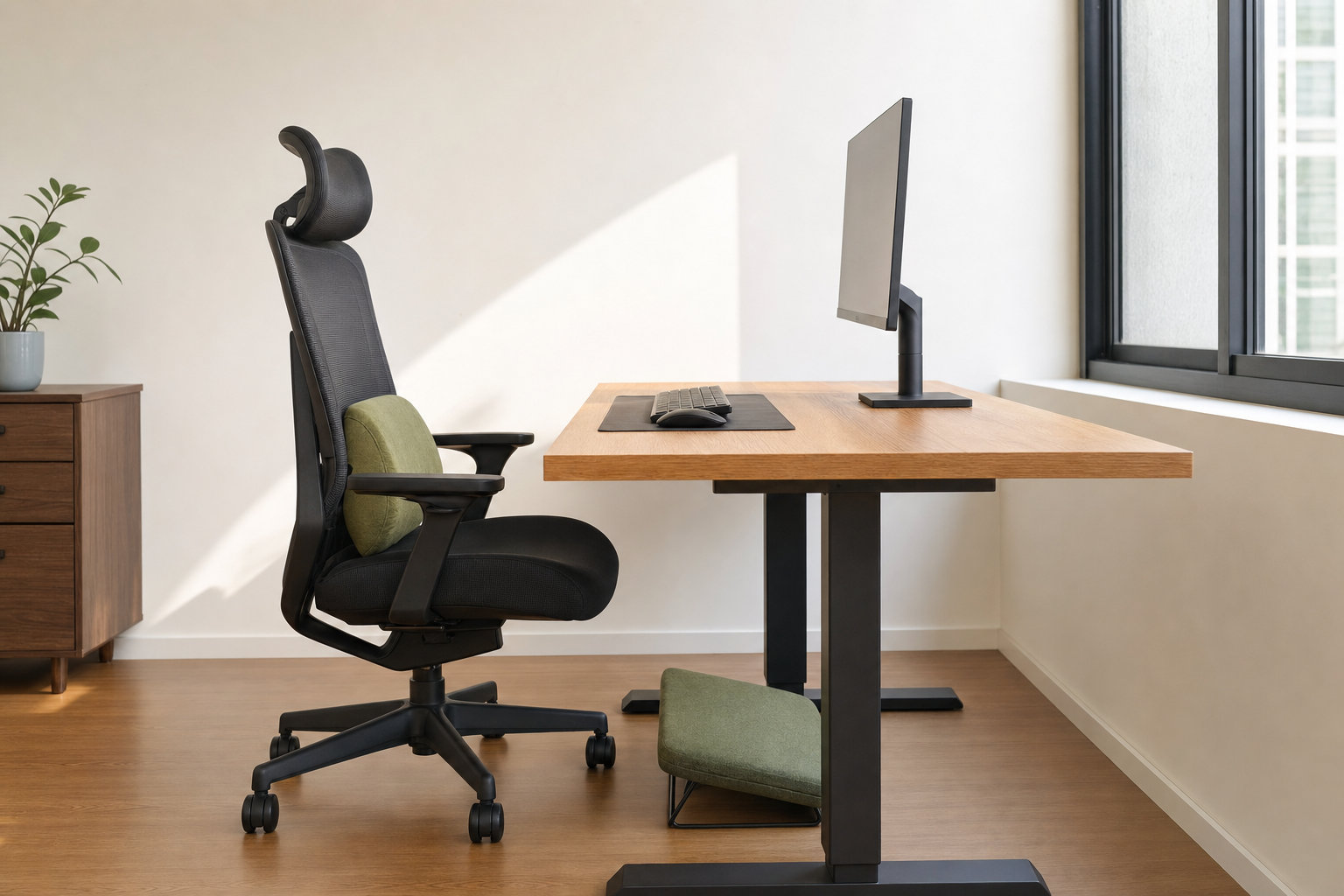
Growing numbers of desk workers face persistent aches and fatigue that trace back to daily posture habits. Modern work routines create unique physical demands, making posture correction and workstation set-up essential for comfort and wellbeing. This article explains the signs, causes, and effective strategies to support your body during prolonged desk work.
Dedicating many hours to sitting at a desk can gradually affect comfort, energy, and long-term health. As remote work and screen time become standard for many, understanding posture correction strategies for desk workers is more relevant than ever. Clearcut physiotherapy highlights the importance of practical, everyday changes to reduce strain and prevent discomfort.
By addressing both your set-up and movement habits, you can minimise common issues and maintain better health throughout your workday.
Why modern desk habits impact wellbeing daily
Longer periods spent at the computer or in meetings mean your body rarely gets the movement variety it needs. Many people find themselves sitting for most of the day, which can gradually erode your natural postural support and increase muscle tension.
It is a common misconception that “perfect posture” means sitting upright without moving for hours. Instead, experts highlight the benefit of alternating positions and using supportive furniture to encourage natural shifts. Posture correction strategies for desk workers often focus on making changes throughout the day.
Recognising early signs of posture-related discomfort
Tightness in the neck and shoulders often signals your desk set-up needs attention. Frequent headaches, mid-back stiffness, or lower-back aching are also common experiences for desk workers exposed to static postures.
Fatigue in the forearms or wrists, or a general feeling of tension by the end of the working day, can be linked to prolonged, unsupported sitting. Consistently ignoring these signs may lead to more significant discomfort and can require a more thorough posture correction approach for desk workers.
How to optimise your desk and equipment choices
A good chair should allow your feet to rest flat on the floor, with knees roughly at hip height. Adjusting your pelvic position on the seat can support your lower spine and make it easier to switch positions comfortably over time.
Screen height plays a critical role in preventing neck and upper back strain. Position the top of your monitor just below eye level, and keep it about an arm’s length away. Your keyboard and mouse should allow your shoulders to relax, with elbows close to your sides and wrists in a straight, neutral position.
If your feet do not reach the floor, use a low footrest or sturdy box for added support. These changes help maintain circulation and reduce gradual discomfort, encouraging healthier work habits all day.
Movement, exercise, and preventing desk-related pain
Taking short “micro-breaks” every 30 to 60 minutes can help reset posture and reduce muscle fatigue. Even standing up, walking a few steps, or rolling your shoulders gently can improve blood flow and ease tension.
Stretching the upper back and opening the chest can relieve pressure that builds during long hours of sitting. Simple exercises, such as spinal twists or standing hip swings, can restore mobility lost during a busy workday.
Including basic strengthening for neck muscles and practising scapular control can support your shoulders and reduce the risk of recurring discomfort. Persistent symptoms, such as worsening aches, radiating pain, or numbness, may signal it is time to seek professional support.
Specialists can evaluate movement patterns, strength, and your typical workstation routine to recommend tailored interventions. Maintaining improvement often relies on tracking which triggers affect you most and building sustainable habits, rather than trying to correct every posture detail throughout the day.
Establishing a healthy desk routine is about consistency and balance. Regularly reviewing your equipment choices, paying attention to how your body feels, and allowing for movement can keep you productive and comfortable, while reducing the risk of desk-related problems.