


































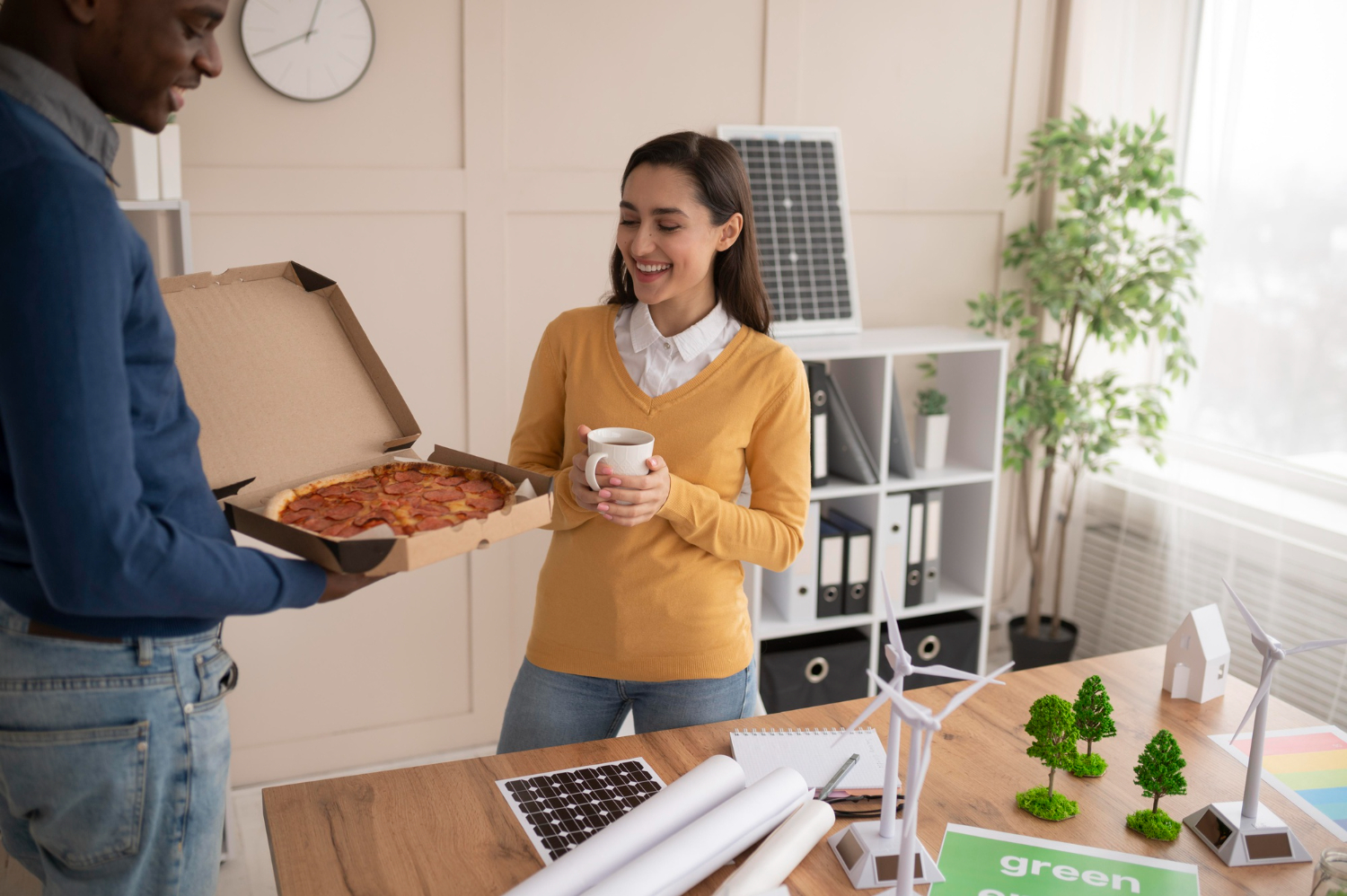
Not long ago, sustainable living was often seen as a bold statement, something associated with activism, niche lifestyles, or major personal sacrifice. Today, that perception has shifted dramatically. Sustainability is no longer just a message people want to send; it’s a set of everyday habits quietly woven into daily life. From how we shop to how we power our homes, sustainable choices are becoming second nature.
From Awareness to Action
One of the biggest reasons for this shift is awareness. People are more informed than ever about climate change, resource use, and environmental impact, and that knowledge is driving behaviour. In fact, more than 86% of adults in Great Britain report making at least some lifestyle changes to help tackle environmental issues.
That’s not a small movement; it’s a societal shift. What’s interesting is that these changes aren’t always dramatic. They’re often small, repeatable actions:
- Using less energy at home
- Reducing food waste
- Choosing reusable products
- Supporting eco-conscious brands
Individually, these habits may seem minor. But collectively, they’re transforming how people live.
Sustainability Fits into Everyday Life
The key difference today is that sustainability is no longer treated as an “extra effort”. It’s becoming integrated into routines. Simple habits, like switching off unused devices, walking instead of driving short distances, or choosing products with less packaging, are easy to adopt and maintain. Swapping out single-use plastics in the kitchen for durable alternatives such as reusable food storage bags is another simple change that quickly turns into second nature once it becomes part of the weekly routine. Over time, they become automatic.
These habits don’t just benefit the environment. They often improve personal well-being and reduce costs, making them even more appealing to stick with. In other words, sustainability works because it aligns with people’s everyday priorities.
A Cultural Shift Towards Responsibility
There’s also a broader cultural change happening. Sustainability is no longer seen as an individual burden; it’s becoming a shared responsibility. Studies show that 94% of consumers support the shift toward a green economy, highlighting just how mainstream these values have become. This collective mindset makes sustainable choices feel normal rather than exceptional. When everyone is making small changes, those changes start to define the norm.
Technology Is Making It Easier
Modern technology has played a huge role in turning sustainability into a habit. Smart home systems, energy-efficient appliances, and renewable energy solutions allow people to reduce their environmental impact without constantly thinking about it. Automation handles much of the work. This convenience removes friction, and when something is easy, people are far more likely to do it consistently.
Building a More Sustainable Home
For many homeowners, sustainability begins at home, specifically with energy. Switching to renewable energy sources like solar power is one of the most impactful changes a household can make. It reduces reliance on fossil fuels and creates a more self-sufficient living environment.
If you’re exploring ways to make that transition, you can go to a solar panel and power generator store to find systems that support cleaner, more reliable energy use. To maintain peak performance and maximize long-term energy savings, routine maintenance services such as solar panel cleaning Fontana can help keep solar systems running efficiently. These types of solutions help turn sustainability from a concept into a practical, everyday reality, powering homes in a way that aligns with long-term environmental goals.
Small Habits, Big Impact
What makes sustainable living so powerful today is its accessibility. You don’t need to overhaul your entire life overnight. Instead, it’s about making better choices more often, building habits that stick, and letting those habits compound over time. Research shows that daily lifestyle behaviours, especially around energy use and consumption, can significantly reduce household emissions when practiced consistently. That’s the real shift: sustainability isn’t about perfection. It’s about progress, repeated daily.
The New Normal
Sustainable living has moved beyond being a statement because it no longer needs to prove anything. It’s practical, beneficial, and increasingly necessary.
It looks like:
- Homes powered by cleaner energy
- Kitchens with less waste
- Commutes that leave a smaller footprint
- Purchases made with intention
In an unpredictable world, these habits offer something valuable: control, responsibility, and a sense of contribution to something bigger, and that’s why sustainable living isn’t just a trend; it’s becoming the way we live.