


































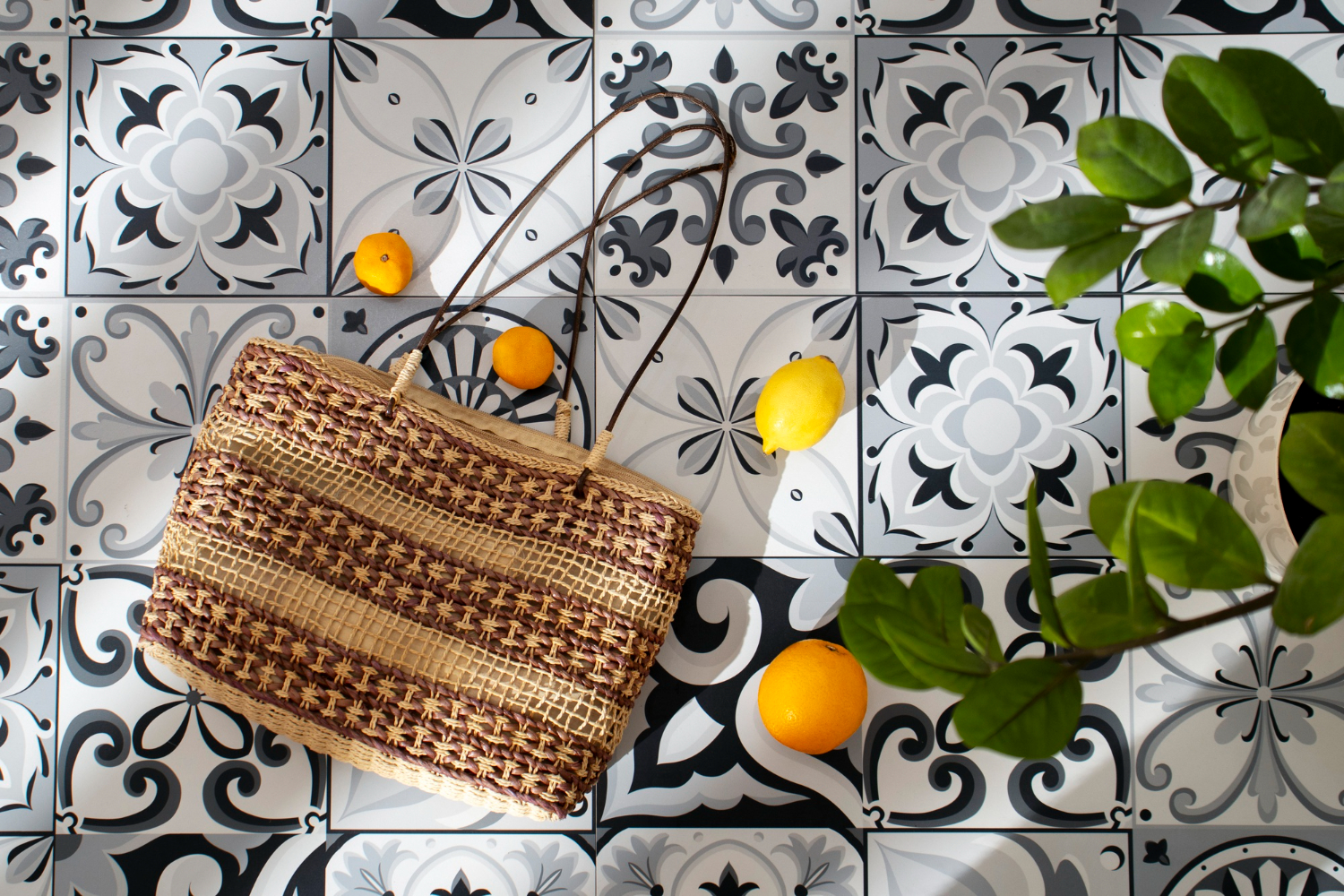
Incorporating patterned cement tile into your home design can dramatically alter the atmosphere and appeal of your living spaces. Whether you’re revamping a kitchen backsplash or updating your bathroom flooring, these tiles bring a unique blend of durability and aesthetic charm. This article will delve into how patterned cement tiles can elevate aesthetic appeal, offer versatile design options, enhance durability and functionality, and support eco-friendly and sustainable home design choices. By understanding these elements, you can make informed decisions that transform your home into a stylish, yet practical haven.
Patterned Cement Tile Elevates Aesthetic Appeal
Patterned cement tiles are renowned for their ability to transform ordinary spaces into stunning visual statements. By utilizing Color Theory, designers can select tile patterns that complement or contrast with existing decor, creating a dynamic and visually pleasing environment. For instance, a bold geometric design can serve as a focal point in an otherwise minimalist room, drawing the eye and adding depth.
Specifiers often recommend these tiles for their versatility in application. They can be integrated into a variety of spaces, from entryways to kitchens, providing a seamless transition in design themes. Moreover, the intricate patterns available allow for customization, tailoring the aesthetic to meet specific homeowner preferences captured in a detailed Design Brief.
According to a 2022 study by the National Association of Home Builders, nearly 60% of interior designers incorporate patterned cement tiles into their projects, emphasizing their popularity and timeless appeal. Architectural Digest highlights how these tiles have become a staple in modern home design for their ability to blend tradition with contemporary style.
Design Versatility with Patterned Cement Tiles
The design versatility of patterned cement tiles is unparalleled, making them a favorite among professionals using CAD software for Schematic Design. These tiles can be easily adapted to fit a variety of design needs, from traditional to modern aesthetics. With a vast array of patterns, colors, and formats available, they provide endless possibilities for customization.
Incorporating a Mood Board during the planning phase can help visualize how different tile patterns will interact with other elements such as furniture and FF&E (Furniture, Fixtures, and Equipment). This aids in achieving a cohesive look that aligns with the overall design vision. Additionally, the use of BIM (Building Information Modeling) allows designers to experiment with different tile layouts in virtual space before committing to a design.
Many homeowners appreciate the adaptability of patterned cement tiles in spaces that demand both style and practicality. A prominent example is their use in open-plan living areas, where they can subtly delineate different zones without the need for physical barriers. Houzz showcases numerous examples of how these tiles can be used to create fluid transitions between living, dining, and kitchen areas.
Durability and Functionality in Home Spaces
Patterned cement tiles are not only about aesthetics; they are highly functional and durable, making them suitable for high-traffic areas like hallways and kitchens. Their robust construction ensures longevity, even in spaces that experience significant wear and tear. The Material Takeoff process in construction often highlights these tiles for their resilience and low maintenance requirements.
Furthermore, these tiles offer excellent thermal mass properties, meaning they can absorb and store heat, contributing to energy efficiency in home spaces. This feature is particularly beneficial in climates with significant temperature fluctuations, as it helps maintain a consistent indoor environment.
Homeowners seeking to combine design with practicality will find that patterned cement tiles meet both criteria effectively. They stand up well to moisture, stains, and heavy foot traffic, ensuring that spaces remain attractive and functional for years. Industry reports from 2023 indicate that properties incorporating these tiles often see a 15% increase in overall value, underscoring their investment potential.
Eco-Friendly and Sustainable Home Design Choices
With growing awareness of environmental impact, patterned cement tiles offer an eco-friendly choice for sustainable home design. They are typically made from natural materials and can contribute to achieving LEED Certification, making them a smart option for environmentally conscious homeowners.
The production process for these tiles is energy-efficient, reducing the carbon footprint associated with manufacturing. Additionally, their durability reduces the need for frequent replacements, which further minimizes waste. Incorporating a Finish Schedule in the planning phase can help outline the environmental benefits of using these materials.
Site Analysis often reveals opportunities to integrate these tiles in ways that enhance natural light and improve energy efficiency, such as in sun-drenched conservatories or bright open-plan spaces. Embracing sustainable design not only benefits the environment but also adds value to the property, aligning with current trends in responsible homeownership.
Conclusion
Patterned cement tiles offer a transformative solution for home design, combining aesthetic appeal with practicality and sustainability. Their versatility allows them to adapt to various design styles, while their durability ensures long-lasting beauty. By choosing these tiles, homeowners can enhance their living spaces in a way that reflects personal style and environmental consciousness, making them a valuable addition to any home improvement project.