


































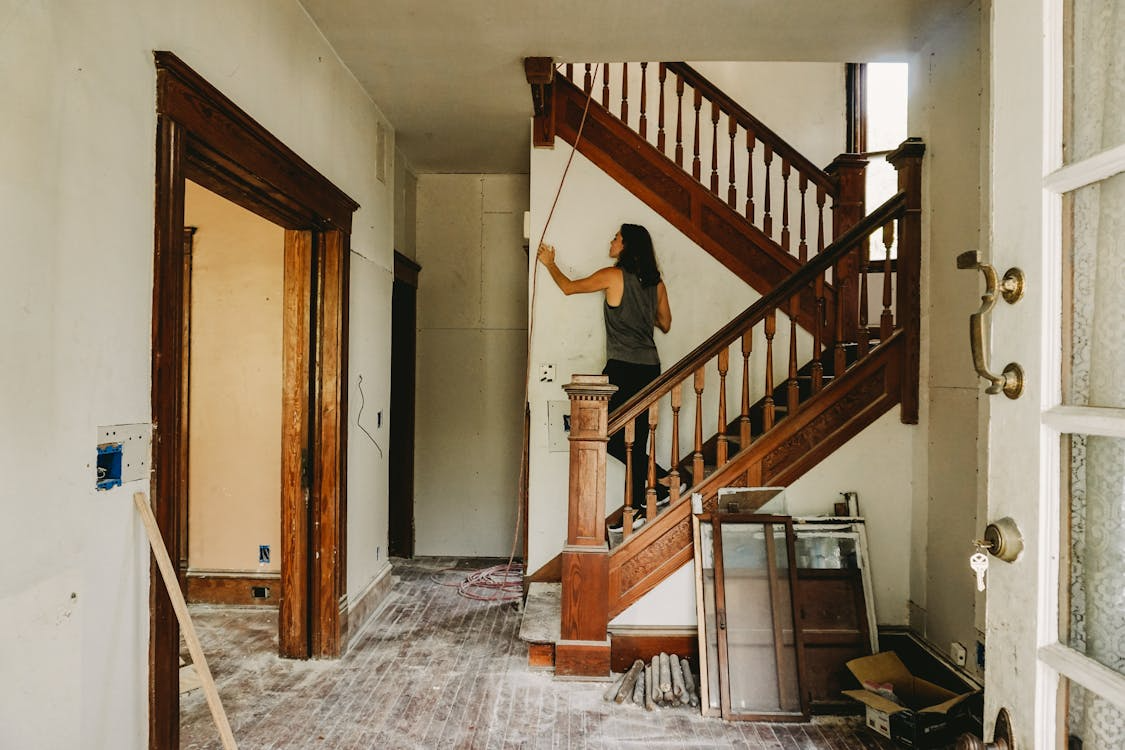
The walls have been painted, the lighting upgraded, the furniture carefully chosen, yet something still feels unfinished. The room lacks warmth, character or that sense of calm people expect after investing time and money into their home.
Very often, the issue is underfoot.
Across London, original wooden floors are being rediscovered beneath old carpets, uneven laminate and years of wear. In Victorian terraces, converted warehouse flats and even newer apartments, people are beginning to realise that restoring what already exists can completely change the feel of a property without stripping away its personality.
That shift is one reason more renovations are starting with the floor itself rather than ending there as an afterthought.
The hidden problem many London homes share
London properties come with charm, but they also come with layers of compromise from previous owners and rushed refurbishments. Floors are often one of the biggest casualties. Thick carpets trap dust and odours, cheap vinyl dates quickly, and poorly installed laminate can make even a stylish interior feel temporary.
In older homes, original timber floors are frequently hidden because owners assume restoring them will be too expensive, too disruptive or simply not worth the effort. Yet once exposed, many of these surfaces still have decades of life left in them.
Interior designers have increasingly pointed out that flooring affects how natural light moves around a room. A restored oak or pine floor reflects daylight differently from synthetic materials, which is particularly valuable in London homes where space and brightness are often limited. Even smaller rooms can appear more open when the flooring feels cohesive and authentic.
There is also the practical side people rarely think about before renovation work begins. Uneven floors, trapped moisture and damaged boards can create long term issues that no amount of decoration can hide. Homeowners sometimes spend thousands on kitchens or bespoke furniture only to realise later that the flooring underneath undermines the entire look and feel of the space.
That is where working with a trusted London based floor restoration company often changes the direction of a renovation project altogether. Instead of covering imperfections, homeowners are choosing to restore original features properly and build the rest of the design around them.
Why restored floors feel more personal than brand new interiors
One reason restored flooring has become so popular in London is that people are moving away from interiors that look overly polished or identical to every property online. There is growing appreciation for homes that feel lived in, textured and individual.
Restored wood naturally carries marks of age and use. Subtle grain patterns, colour variation and small imperfections create depth that manufactured materials struggle to imitate convincingly. That sense of authenticity matters more now, especially as homeowners become more selective about what they invest in.
It is not only period properties benefiting from this approach. Many modern apartments are also incorporating reclaimed or restored timber because it softens minimalist interiors and creates warmth without cluttering the space.
There is another practical advantage too. Restoring existing flooring can often be more sustainable than replacing it entirely. Fewer materials end up in landfill, and fewer new resources are required. For homeowners trying to make more conscious renovation choices, this becomes part of the appeal rather than simply a design decision.
Floor restoration has also become far more refined than many people expect. Modern sanding systems are cleaner and quieter than older equipment, while newer finishes allow homeowners to choose between natural matte looks, deeper tones or highly durable protective coatings depending on the lifestyle of the household.
For families with pets or children, this matters. A well restored floor is often easier to maintain than carpet and tends to age more gracefully over time. Small scratches and wear can blend naturally into the surface instead of standing out dramatically.
Renovations that last usually begin with structure, not decoration
Social media has made fast cosmetic renovations look simple. Fresh paint, trendy lighting and statement furniture can transform a room visually within days. But homeowners who have gone through full renovations often say the most valuable improvements are the ones visitors do not immediately notice.
Good flooring falls into that category.
When floors are properly restored or repaired early in the renovation process, every other design choice tends to work better around them. Colours feel more balanced, furniture sits correctly and the entire property gains a stronger sense of continuity.
Estate agents across London have also noted that buyers respond differently to homes with original restored features. While kitchens and bathrooms still matter, authentic details often create the emotional connection that makes a property memorable during viewings.
There are financial considerations too. Replacing floors entirely can become surprisingly expensive once materials, removal, levelling and installation are included. Restoration is not always the cheaper route, but it can provide better long term value when original materials are high quality.
Timing also plays an important role. Many homeowners leave flooring until the final stage of renovation, only to discover it limits what can realistically be achieved within budget. Starting from the ground up allows the rest of the project to develop more naturally and avoids unnecessary compromises later.
London’s housing stock is incredibly varied, which means no two restoration projects are quite the same. A Georgian townhouse requires a different approach from a warehouse conversion in Shoreditch or a family semi in Clapham. That local understanding often becomes the difference between floors that simply look new and floors that genuinely suit the character of the property.
The detail that quietly transforms an entire home
The most successful London renovations rarely feel forced. They feel balanced, comfortable and believable, as though the property has simply become a better version of itself.
Floors play a bigger role in that feeling than many people initially realise.
A restored wooden floor changes how sound moves through a room, how light settles in the evening and even how connected different spaces feel throughout a home. Those details are subtle individually, yet together they shape the atmosphere people remember long after the renovation is complete.
That is why more homeowners are starting their projects from the ground up rather than treating flooring as a finishing touch. The foundation of a room influences everything built around it.
For anyone planning a renovation in London, taking a closer look beneath the surface might reveal more potential than expected. Sometimes the feature that gives a home its strongest character has been there all along, simply waiting to be restored properly.