


































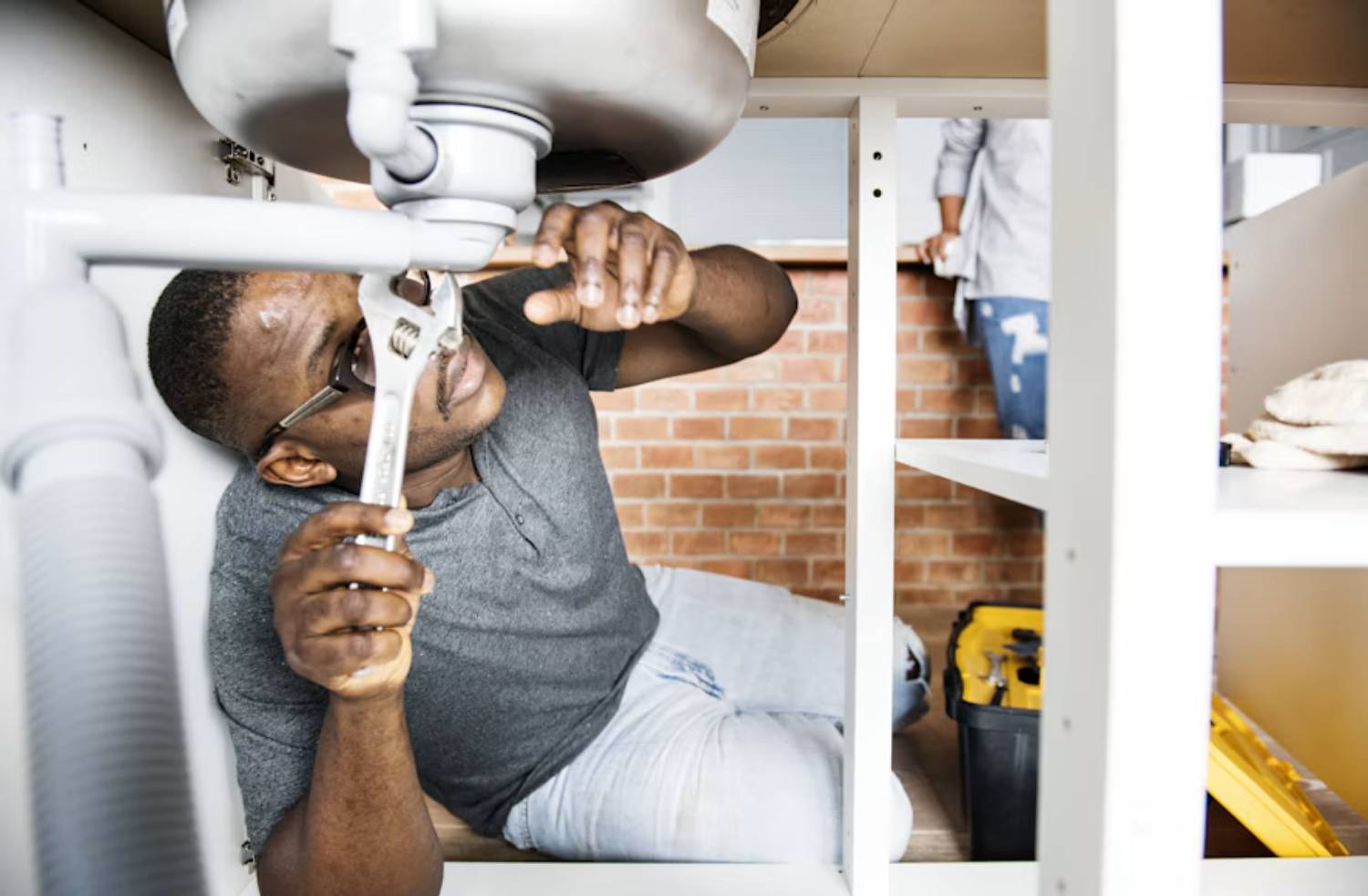
Hidden water leaks can cause serious problems in a property without showing obvious signs. Water escaping from pipes behind walls, beneath floors or underground may remain unnoticed for weeks. Over time, even a small leak can increase water bills, damage building materials and create damp conditions.
Recognising the early warning signs can help property owners prevent further damage. When the source of moisture is difficult to identify, a professional leak detection service can locate concealed pipe leaks using specialist equipment, reducing the need for unnecessary digging or damage to surrounding surfaces.
Why Hidden Water Leaks Should Never Be Ignored
Unlike a dripping tap or visible burst pipe, hidden leaks often develop gradually. Water can spread through flooring, plaster and soil before becoming noticeable.
Continuous moisture may weaken certain building materials, damage decorations and encourage mould growth. Underground leaks can also affect surrounding ground conditions, particularly when large amounts of water escape over time.
Early investigation helps establish whether the problem involves damaged pipework, faulty fittings or another source of moisture. Identifying the cause is essential before deciding which repairs are necessary.
Unexplained Increases in Water Bills
An unexpected rise in water bills is one of the clearest warning signs of a possible hidden leak. If household water consumption has remained relatively stable but charges continue increasing, water may be escaping from the supply system.
Check previous bills and compare recorded consumption rather than focusing only on the amount charged. Changes in tariffs, additional occupants or increased appliance use can also explain higher costs.
If consumption remains unusually high without an obvious explanation, investigating the water supply system is a sensible next step.
Damp Patches and Unusual Wall Discolouration
Damp patches appearing on walls, ceilings or floors may indicate water escaping from concealed pipework. These areas can become darker, develop stains or remain damp despite normal heating and ventilation.
Paint may start peeling, wallpaper can loosen and plaster may deteriorate when moisture remains trapped within building materials.
However, not every damp patch comes from a leaking water pipe. Roof defects, condensation and penetrating damp can produce similar symptoms. Accurate diagnosis is important to avoid unnecessary plumbing work.
Unexpected Drops in Water Pressure
A noticeable reduction in water pressure can sometimes indicate a leak within the supply pipe. When water escapes before reaching household outlets, the available pressure or flow may decrease.
Check whether the problem affects several taps or only one fixture. A single affected outlet may have a blocked aerator or faulty fitting, while widespread pressure problems require further investigation.
Water supplier maintenance, pressure changes and partially closed valves can also affect performance. If the reduction persists without an obvious explanation, professional assessment may be necessary.
Unusual Sounds Coming from Pipework
Water escaping through a damaged pipe can produce sounds even when household taps and appliances are switched off.
A faint hissing, whistling or continuous running-water noise may suggest movement within the plumbing system. These sounds are sometimes easier to notice during quieter periods.
Normal pipe expansion, heating systems and appliances can also produce noises. However, persistent sounds accompanied by higher water consumption or dampness deserve closer attention.
Wet Ground and Unusually Green Garden Patches
Underground water leaks can remain concealed beneath driveways, lawns and paved areas.
Persistent wet patches, unusually soft soil or sections of grass growing noticeably greener than surrounding areas may indicate water escaping from a buried supply pipe.
Standing water that does not disappear during dry weather is another possible warning sign. Drainage problems and groundwater conditions can produce similar effects, making proper investigation important before excavation begins.
Practical Checks Before Calling a Professional
Several straightforward checks can help determine whether a hidden water leak is likely. These should be completed only where access is safe.
- Check the water meter: Turn off all taps and water-using appliances, then observe whether the meter continues recording consumption.
- Inspect visible pipework: Look beneath sinks, around toilets and near accessible plumbing connections for moisture.
- Monitor water pressure: Note whether reduced flow affects several outlets or only individual fixtures.
- Examine walls and floors: Check for fresh staining, dampness, peeling finishes or unexplained moisture.
- Record unusual changes: Keep details of increased consumption, persistent noises and damp patches to share with a specialist.
A meter test may indicate unwanted water consumption, although the location and cause will still need investigation. Do not attempt to expose concealed pipes by damaging walls or flooring.
How Professional Leak Detection Works
When basic checks cannot establish the source, a leak detection service can investigate hidden pipework using methods suited to the property and suspected leak location.
Acoustic listening equipment can detect sounds associated with pressurised water escaping from pipes. Thermal imaging cameras may reveal temperature differences that help identify damp areas or concealed pipe routes.
Moisture meters and tracer techniques can provide additional information where leaks are particularly difficult to locate.
Not every method is suitable for every situation. The specialist selects appropriate techniques based on pipe materials, accessibility and site conditions.
These investigations help narrow down the affected area so that repairs can be planned with less unnecessary disruption.
When Should You Arrange Professional Help?
Professional assistance becomes particularly important when warning signs persist, multiple symptoms appear together or the suspected leak involves inaccessible pipework.
A sudden major loss of water pressure, rapidly spreading dampness or water entering areas containing electrical equipment requires urgent attention.
Where safe, isolate the affected water supply and avoid contact with potentially wet electrical installations.
Before authorising repairs, ask what the investigation includes, whether access work may be necessary and how repair costs will be assessed. Establishing responsibility for the affected supply pipe is also important.
FAQs
Q.1 What is the most common sign of a hidden water leak?
An unexplained increase in water consumption is a common warning sign. Persistent dampness, reduced water pressure and unusual pipe noises can also indicate concealed leaks.
Q.2 Can a hidden water leak occur without visible damp patches?
Yes. Underground leaks or water escaping beneath floors may remain unnoticed without visible moisture. Unexpected meter readings or unusual water sounds may provide earlier indications.
Q.3 How can I check for a leak using my water meter?
Switch off all water-using appliances and taps, then observe the meter. Continued movement may indicate water consumption or leakage that requires investigation.
Q.4 Can leak detection equipment locate underground pipe leaks?
Yes. Specialists may use acoustic equipment and tracer techniques to help locate underground leaks. The most suitable method depends on the pipework and surrounding conditions.
Q.5 Should I repair a suspected hidden leak myself?
Simple checks are reasonable, but concealed pipe repairs generally require professional expertise. Attempting to expose damaged pipes without knowing their location can create additional problems.
Key Takeaways
Hidden water leaks often begin with small warning signs, including rising water bills, damp patches, reduced water pressure and unexplained sounds. Recognising these changes early can help prevent prolonged water loss and unnecessary property damage.
If basic checks cannot identify the problem, arranging a professional leak detection service is a practical decision. Monitor suspicious changes, avoid unnecessary excavation and seek appropriate advice before carrying out repairs to concealed or underground pipework.