




































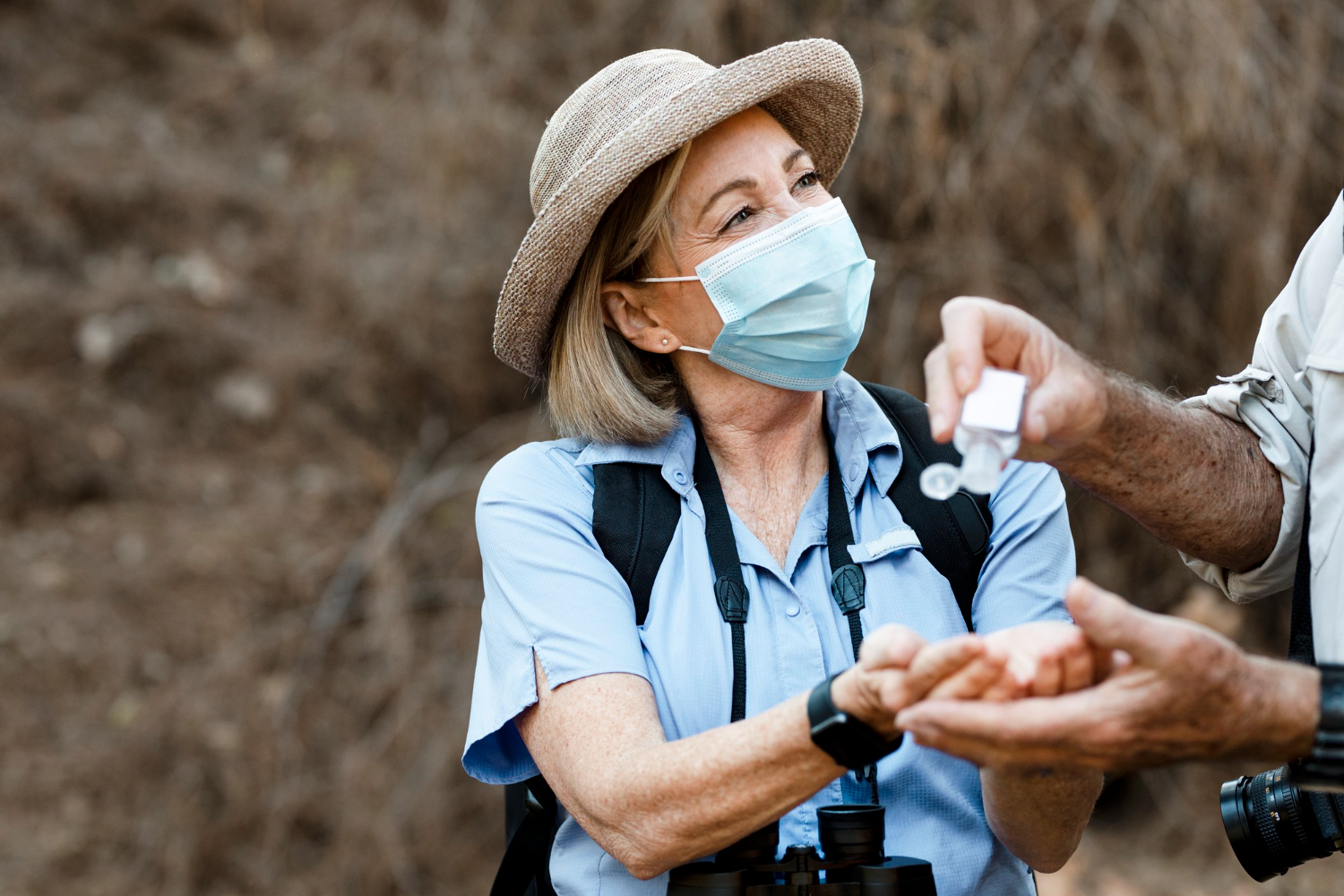
Safety is often seen as a set of rules to follow in emergencies. However, adopting safety as an everyday lifestyle choice goes beyond reacting to risks. It becomes a mindset that influences daily habits, decisions, and environments. By prioritising safety consistently, individuals can reduce risks, protect loved ones, and enjoy a greater sense of confidence and peace of mind.
Practical Steps for Everyday Safety
Living safely means being aware of potential hazards and taking proactive steps to reduce them. This applies not only in workplaces or public spaces but also at home. Simple routines, such as keeping walkways clear, checking smoke alarms regularly, and maintaining adequate lighting, can prevent common accidents. Safety in everyday life is less about fear and more about creating environments where people can thrive without unnecessary risk.
Safe Habits Beyond the Physical Space
Incorporating safety into daily routines also involves habits that extend beyond the home or workplace. Being mindful when handling hot surfaces in the kitchen, using protective equipment during DIY projects, or staying alert while driving all contribute to a culture of safety. These practices encourage forward thinking, helping people anticipate potential challenges before they become serious problems.
Fire Safety and Preparedness
Emergency preparedness is a key part of a safe lifestyle. Fire safety, in particular, demands proactive measures. Having accessible and reliable fire prevention tools, including properly maintained fire extinguishers, can make a critical difference in an emergency. For those wanting to prioritise fire safety, products from LifeSafe Technologies offer effective solutions designed to protect both property and people. Integrating such tools into everyday routines allows individuals to respond quickly in emergencies and potentially prevent serious damage or injury.
Education and Knowledge
Another important element of safety is education. Understanding risks and knowing how to act in emergencies empowers people to respond decisively instead of panicking. Basic first aid training, fire safety drills, and awareness of local emergency procedures equip individuals and families with the knowledge to handle unexpected situations. When safety is treated as a lifestyle, it becomes an empowering skill set rather than a restrictive set of rules.
Safety and Wellbeing
Adopting safety as a lifestyle can also positively affect mental well-being. Knowing that precautions are in place to prevent harm fosters a sense of security and reduces anxiety about potential accidents. This confidence allows individuals to focus on personal and professional goals without being burdened by preventable risks. By modelling safe behaviour, people can encourage others, including family, colleagues, and neighbours, to adopt similar habits, helping to create safer communities.
Making Safety a Daily Choice
Ultimately, treating safety as an everyday lifestyle choice transforms it from an occasional concern into a guiding principle. Proactive thinking, informed decision-making, and consistent preparedness make safety an integral part of daily life. From practical home measures to personal habits and emergency readiness, prioritising safety offers tangible benefits for health, well-being, and peace of mind. By embedding safety into routines and choices, individuals protect themselves and contribute to a culture of care and responsibility that benefits everyone around them.