
































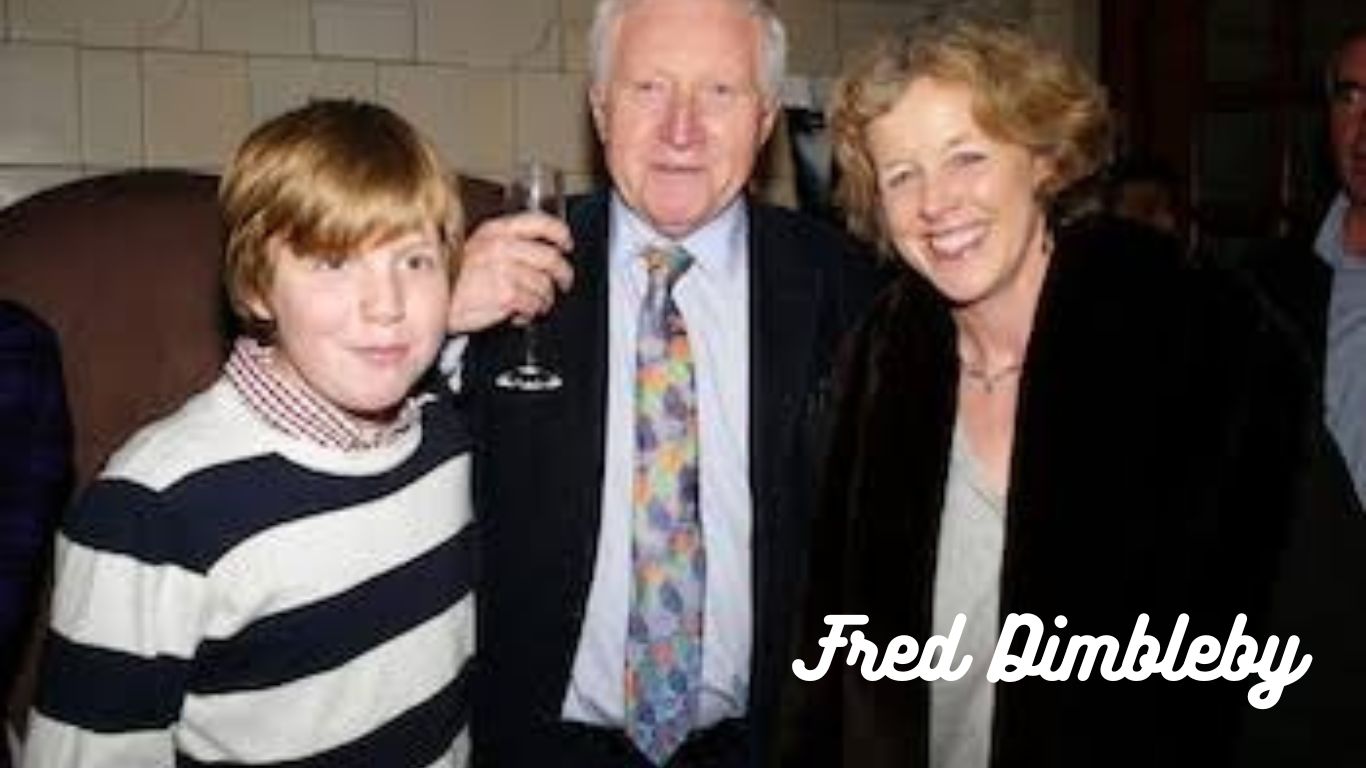
Fred Dimbleby’s name doesn’t come up very often in British media history, but one of the country’s most famous broadcasting families is built on his work. Even though he wasn’t on radio or TV, his job as the owner of a newspaper provided the professional and family setting that shaped his son Richard Dimbleby and later his grandsons David and Jonathan Dimbleby. To understand the roots of a family that had an impact on everything from local news to national broadcasting, you have to know about Fred’s life.
The story of Fred Dimbleby starts in the British newspaper of the early 1900s. In a time when newspapers were very important to society, Fred, as a business owner, had to do more than just run his company. He also had to record the rhythms of his community, shape public debate, and teach the next generation of journalists. Not for his fame, but for the small but important part he played in shaping the history of media. He connected the worlds of local print and the national stage that his family would later control.
Early life and family
Fred Dimbleby was born Frederick Jabez George Dimbleby, but public records don’t have a lot of information about the exact date of his birth. He came from a family that was very active in the local press, which made it easier for him to stay in the job. While he was married and raising a family in southwest London, he made it a place where honesty, discipline, and public service were valued in media. Richard Dimbleby, his most famous child, was born on May 25, 1913, in the Richmond area. This gave the family a link to the growing communities in London’s neighbourhoods.
Fred’s family life was shaped by his job as the editor of a local newspaper, which required him to be involved in politics, government, and community events. Children who grew up in that kind of setting would have heard people talking about politics and how to report on them. This early experience shaped Richard’s views as a journalist and broadcaster, stressing the need for clear, factual communication.
Few specifics about Fred’s personal interests, schooling, or early career are available to the public. However, it is clear that the press and public engagement were important to his family. As a dad, he had to balance his working life with being a dad, because his kids saw how a newsroom worked, how to meet everyone’s needs, and how to meet deadlines.
Working as a local reporter
Fred Dimbleby got his start in local journalism by making links with newspapers in the Richmond and Twickenham areas. At that time, local newspapers were very important to the community because they reported on things like school events, council meetings, legal notices, and business changes. As the owner, Fred was in charge of making sure that this coverage was accurate and trustworthy while also keeping the business going in a tough market.
Running a neighbourhood paper took more than just good organisational skills. Fred had to work out deals with community leaders, advertisers, and readers while still being honest in his writing. These expectations shaped the standards of professionalism and reporting that would later shape Richard Dimbleby’s way of doing journalism, even as he went into radio and TV.
The time Fred worked there was a time of change for British media. Newspapers were still very important to people’s knowledge, but the rise of radio and then TV would change how people got their news. Fred’s work represents the last few generations for whom local print journalism was the main way to get involved in politics. It set the stage for his family’s future national fame.
How it affected Richard Dimbleby
It is well known that Richard Dimbleby went on to become a BBC broadcaster, but Fred played a big role in his early growth. Richard started working for the family newspaper when he was young and learned how to tell stories, meet deadlines, and make editorial decisions. That experience taught him the basics of factual reporting and being accountable to the public, which would become important parts of the way he broadcasts.
Fred’s approach to writing put a lot of weight on being clear and dependable. There are no public records of specific mentoring moments between father and son, but Richard learned the professional standards of good journalism while working at a family-run newspaper. These standards include checking information, understanding the context of the community, and finding a balance between public interest and editorial responsibility. Richard took these skills with him naturally when he moved into national radio and then TV, which helped him build the trust that made his job possible.
The Dimbleby family has left behind a legacy. Fred Dimbleby is part of this legacy.
Fred Dimbleby’s impact is most clear in the things that his children and grandchildren have done. Richard’s voice became a standard in British radio and TV, reporting on important wartime events, state occasions, and important national times in history. David and Jonathan Dimbleby, his sons, expanded the family’s media influence to include political reporting, current events, and making documentaries. Fred’s most important gift wasn’t getting noticed by the public. It was building a family and professional base that helped three generations of talented people grow.
This progression from one generation to the next shows how professional standards and ideals can be passed down through a family. Even though David and Jonathan became famous across the country, their grandfather’s work as a neighbourhood journalist is still an important, if not overt, part of the family story. Fred’s work history shows the kind of hard work and dedication to the job that leads to success later on, even if it’s in a different field.
The Big Picture of Local Journalism
To understand Fred Dimbleby, you also need to know what neighbourhood newspapers were like during his lifetime. These papers were not just businesses; they were important parts of the community. They wrote down weddings, deaths, council decisions, and public debates, giving a daily account of life in the city. Fred, as the owner, had to keep things accurate, fair, and quick while balancing the needs of the public with the needs of business.
This situation shows why Fred’s work is important to more than just his family. Standards of responsibility, fact-checking, and open contact with the public were set by the local press and became the foundation of professional journalism in Britain. Because Fred was a part of this world, the Dimblebys were able to move easily into national broadcasting, where these ideas were still useful even though the medium changed.
The public’s view and misunderstandings
Fred Dimbleby’s son and grandsons are more well known than he is. Some people thought he worked in broadcasting or television, which can cause confusion in public discourse. It is important to make it clear that Fred’s fame only came from his work in print journalism. He never worked in public relations for the BBC or any other national media. Recognising his efforts correctly brings attention to the roots of the Dimbleby family’s work ethic without making him too famous.
Another common misunderstanding is that last names in media and industry are often the same. Fred Dimbleby is not the same as other famous people from the same time period, like the Dimoldenberg family, who are also in the entertainment business but are not connected. The historical record of Fred’s work stays accurate and factual thanks to clear distinctions.
Life in general and family situations
Fred Dimbleby’s family is the main way that people know about his daily life. He raised Richard in a place that was very connected to the newspaper business, which gave him both hands-on experience and an understanding of professional norms. There aren’t as many details about his marriage and home life, but it’s clear that his kids had a good upbringing by being disciplined, talking to each other, and being aware of media.
Family life is made even better by the successes of later generations. Richard’s work got national attention, and David and Jonathan kept up the tradition of working with the people. Fred’s life shows how a private professional practice can have effects on the public when talent, chance, and family support are present.
Why Fred Dimbleby Will Always Be Important
People may not remember Fred Dimbleby for his personal success or his national broadcasts, but his impact will last forever. He indirectly changed decades of British media by teaching his family the craft of journalism. His job is an example of the work that keeps standards of reporting high and helps the public communicate. For historians and readers interested in media dynasties, Fred stands for the generation whose work made it possible for others to become famous.
His impact shows us that journalism is a job that builds over time. Trust from the public and professional skill don’t just appear out of thin air; they grow through experience, role models, and family traditions. Fred Dimbleby’s work in the local press set the stage for his family’s confident move into national broadcasting, which changed the way millions of Britons got their news throughout the 20th century.
Questions People Ask Often
What did Fred Dimbleby do?
Fred Dimbleby, whose full name was Frederick Jabez George Dimbleby, ran a newspaper in Britain. He was best known as the father of presenter Richard Dimbleby. His career was mostly focused on local journalism in the Richmond and Twickenham area, where he ran newspapers and had an impact on how communities were reported in the early 1900s.
What does Fred Dimbleby have to do with David and Jonathan Dimbleby?
David and Jonathan Dimbleby’s grandpa was Fred Dimbleby. His son Richard became a well-known BBC presenter, and his grandsons carried on the family tradition in radio and TV by making careers in political reporting, current events, and making documentaries.
Was Fred Dimbleby involved with radio or TV?
No, Fred Dimbleby worked as a newspaper reporter. Neither did he work for the BBC nor did he appear on radio or TV shows. People get confused because the family became well-known in national media later on, but Fred only wrote for newspapers and the local press.
Who ran the newspaper that Fred Dimbleby owned?
Fred Dimbleby worked for newspapers in the Richmond and Twickenham area. These newspapers covered local stories about politics, business, and social issues. Public sources don’t give a lot of information about his ownership and editorial duties, but he was known as the owner and a major player in local journalism.
Why is Fred Dimbleby important to history?
In the Dimbleby family’s media legacy, Fred Dimbleby is important because he built the family’s career. Through his work in the local press, he created an environment where people would later learn skills, ideals, and work habits that would shape British broadcasting in the 20th century.
Does the public know a lot about Fred Dimbleby?
People don’t know as much about Fred Dimbleby as they do about his children and grandchildren. Family histories and records of local newspapers are where most of our information comes from. There aren’t many or many detailed accounts of his private life, daily habits, and interactions with other people.
Did anyone give Fred Dimbleby an award or honour?
Fred Dimbleby has not been given any awards or national honours that are known to the public. He is mostly known for his historical and familial contributions, such as running a newspaper and being the father of a famous figure in British television.
In conclusion
Fred Dimbleby’s life shows us that not all power is seen by the people. His work in the local press created a professional atmosphere that was passed down through his family and helped some of the most well-known voices in British media. His sons and grandkids were good reporters and earned the public’s trust, even though he never spoke to large groups of people on a national level.
He shows how important foundational work is: a newspaper owner who cares about accuracy, guides quietly, and runs a community institution sets the stage for later achievements that may get national attention. Fred’s career shows the range from local print to national broadcast, showing how media knowledge and values can be passed down from one generation to the next.
For historians, reporters, and readers who want to learn more about the Dimbleby family, Fred Dimbleby is a window into a crucial time in British news. His life shows the unseen work that goes into keeping records public, the skills that make broadcasting reliable, and the family roots of professional success. Even though his name doesn’t show up in the news very often, he has made a huge difference in one of Britain’s most famous business families.