

































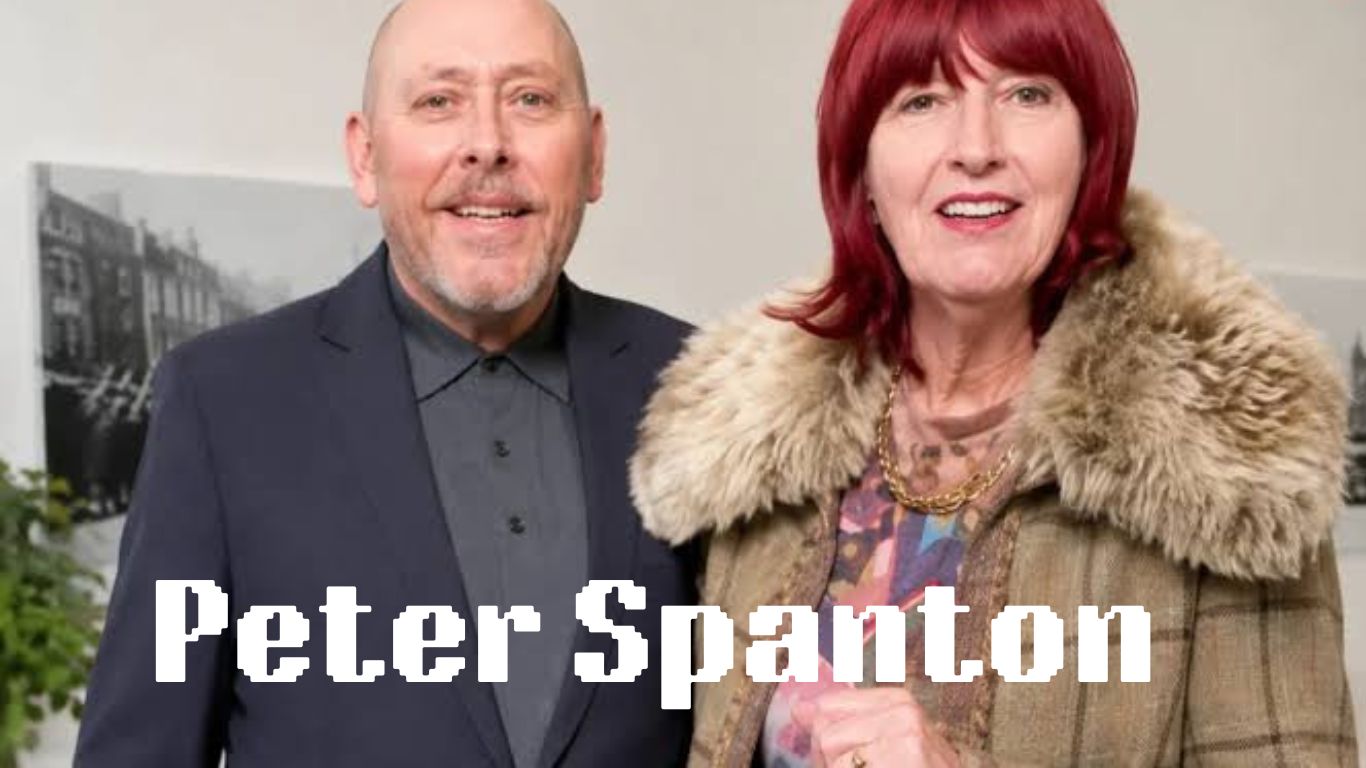
Peter Spanton is best known as a British restaurateur, entrepreneur, and the husband of broadcaster Janet Street-Porter. Yet his career extends far beyond his public relationship. Over several decades, he helped shape London’s hospitality scene, built one of Clerkenwell’s most talked-about restaurants, overcame personal struggles with alcoholism, and later introduced a premium range of sophisticated alcohol-free drinks long before the category became fashionable.
Rather than chasing celebrity status, Spanton built his reputation through innovation, atmosphere, and an instinctive understanding of how people socialise. His work reflects the evolution of British dining culture, from independent restaurants in the 1980s to today’s growing appreciation for premium non-alcoholic beverages.
Although much of his personal life has remained private, his professional journey offers a compelling story of creativity, resilience, and reinvention.
Early Life and Background
Compared with many public figures, relatively little is known about Peter Spanton’s childhood. Public records show that he was born in Britain in January 1955, but details about his family, education, and upbringing have never been widely shared.
Unlike celebrities whose lives are documented from an early age, Spanton has consistently kept his personal history away from the spotlight. His focus has always been on his businesses rather than his private life.
While few verified accounts exist about his early years, later interviews and brand stories suggest he grew up surrounded by Britain’s traditional pub culture. References to his father’s preference for whisky and dry ginger, along with memories of London’s working-class drinking traditions, hint at the environment that influenced his appreciation of food, hospitality, and flavour.
These early experiences would later inspire both his restaurant career and his approach to creating premium soft drinks.
Learning Hospitality Through Experience
Peter Spanton’s route into hospitality was unconventional. Instead of attending culinary school or climbing the ranks of large restaurant groups, he developed his skills through hands-on experience.
His understanding of hospitality wasn’t limited to food. He recognised that memorable dining experiences depended on much more than what appeared on the plate. Lighting, music, conversation, service, and atmosphere all played equally important roles.
This people-first philosophy became the foundation of his career.
Rather than treating restaurants simply as places to eat, Spanton believed they should become spaces where guests felt comfortable enough to stay, socialise, and return again. That instinct would later distinguish him from many of his contemporaries.
Building Vic Naylor’s in Clerkenwell
In 1986, Peter Spanton opened Vic Naylor’s, a restaurant and bar on St John Street in Clerkenwell, London.
At the time, Clerkenwell looked very different from the fashionable neighbourhood it would eventually become. Many buildings were still industrial spaces, workshops, or warehouses, and the area had yet to attract the designers, artists, media professionals, and affluent diners who would later define its reputation.
Opening an ambitious independent restaurant there required both confidence and vision.
Spanton saw potential where others saw risk.
Instead of following traditional restaurant formulas, Vic Naylor’s embraced a more relaxed and individual style. Exposed brickwork, informal service, and a welcoming atmosphere gave the venue its own personality, helping it stand apart from London’s more conventional dining establishments.
Guests weren’t simply visiting for dinner. They came for the experience.
A Restaurant That Reflected London’s Changing Identity
The late 1980s marked a turning point for London’s restaurant scene.
Independent operators were beginning to transform overlooked neighbourhoods into lively social destinations. Before major hospitality groups and property developers recognised Clerkenwell’s potential, smaller businesses helped shape its identity.
Vic Naylor’s became part of that movement.
Its reputation spread largely through recommendations rather than aggressive marketing. Diners appreciated its authenticity, while regular customers valued the relaxed environment that Spanton cultivated.
His approach reflected a simple philosophy: hospitality should feel genuine rather than manufactured.
This authenticity became one of the restaurant’s defining strengths and contributed to its lasting reputation within London’s dining culture.
Peter Spanton’s Approach to Hospitality
Friends, colleagues, and customers often described Peter Spanton as a hands-on host rather than a distant business owner.
He was actively involved in the day-to-day life of the restaurant, greeting guests, reading the mood of the room, and ensuring visitors felt welcome.
His ability to create a comfortable social environment became just as important as the food itself.
Unlike many restaurateurs who concentrated solely on menus or operations, Spanton understood that successful restaurants depended on emotional connection.
Guests remembered how a place made them feel.
That philosophy helped build a loyal customer base and established Vic Naylor’s as one of Clerkenwell’s most distinctive venues during a period of significant cultural change.
Becoming Part of London’s Creative Community
As London’s creative industries expanded throughout the 1990s, Vic Naylor’s developed a reputation as a gathering place for artists, journalists, designers, and media professionals.
Rather than deliberately targeting celebrities, the restaurant naturally attracted creative individuals looking for somewhere relaxed and unpretentious.
Over time, several prominent figures associated with the Young British Artists movement became linked with the venue, including Tracey Emin, Sarah Lucas, and the Chapman brothers.
Accounts from the period also suggest that filmmaker and artist Sam Taylor-Johnson, then known as Sam Taylor-Wood, worked at the restaurant before achieving international recognition.
These connections reflected the restaurant’s genuine place within London’s cultural landscape rather than a carefully constructed image.
More Than a Celebrity Hangout
Although Vic Naylor’s welcomed well-known names, its success wasn’t built on celebrity appeal.
The restaurant earned its reputation because it offered something increasingly rare: character.
Customers were drawn to its welcoming atmosphere, relaxed style, and sense of individuality.
Unlike venues designed around exclusivity, Vic Naylor’s remained approachable. Regulars often recommended it to friends, helping its reputation grow through word of mouth.
Its influence extended beyond hospitality.
Restaurants like Vic Naylor’s played an important role in changing perceptions of Clerkenwell, helping establish the district as one of London’s emerging cultural destinations long before it became fashionable.
The Personality Behind the Restaurant
Peter Spanton’s personal style became inseparable from the restaurant itself.
Those who knew him frequently described him as charismatic, sociable, and naturally gifted at bringing people together.
He understood how to read a room, introduce strangers, and create an atmosphere where conversations flowed easily.
These qualities transformed Vic Naylor’s into more than a successful restaurant. It became a social hub where creative people gathered, exchanged ideas, and formed lasting friendships.
However, working in London’s hospitality industry also brought challenges.
The long hours, constant socialising, and heavy drinking culture that defined many restaurants during the 1980s and 1990s would eventually have a significant impact on Spanton’s personal life.
A Turning Point Behind the Success
Running a successful restaurant in London’s hospitality scene came with rewards, but it also exposed Peter Spanton to an industry where long nights and heavy drinking were often considered part of the job.
During the 1980s and 1990s, pubs, restaurants, and bars were built around alcohol. Owners, staff, and customers frequently socialised together long after service had ended, making it difficult to separate work from personal life.
For Spanton, that lifestyle gradually became unsustainable.
As the years passed, he realised that drinking had developed into something far more serious than a professional habit. Rather than ignoring the problem, he chose to confront it openly, a decision that would reshape both his personal life and his future career.
Facing Alcoholism
Peter Spanton has spoken candidly about his struggle with alcoholism, describing it as one of the greatest challenges he has ever faced.
Unlike many public figures who avoid discussing addiction, he acknowledged that his years in hospitality had normalised excessive drinking until it eventually affected his wellbeing.
In 1999, recognising that he needed professional help, Spanton admitted himself to The Priory, a rehabilitation centre known for treating addiction and mental health conditions.
The experience marked a major turning point.
Recovery was not something he portrayed as quick or easy. Instead, he described it as a difficult process that required honesty, commitment, and a complete reassessment of his lifestyle.
His willingness to speak openly about this period added an important dimension to his public story, shifting the focus from business success alone to personal resilience.
Janet Street-Porter’s Support
Recovery also coincided with the beginning of Peter Spanton’s relationship with journalist and broadcaster Janet Street-Porter.
According to Spanton, Street-Porter encouraged him to seek treatment and supported him during one of the most challenging periods of his life.
Their relationship developed while he was rebuilding both his health and his confidence, creating a strong foundation based on mutual respect rather than public attention.
Although the couple would later become well known, their partnership initially grew away from the spotlight, during a period when Spanton was focused primarily on personal recovery.
Discovering a Gap in the Market
After becoming sober, Spanton continued to spend time in restaurants and bars, but he noticed something that had previously escaped his attention.
People who chose not to drink alcohol were often given very few appealing options.
Most venues offered little beyond sugary fizzy drinks, fruit juice, or bottled water. While alcoholic drinks had evolved into sophisticated experiences with carefully balanced flavours, non-alcoholic alternatives remained an afterthought.
To Spanton, this seemed like a missed opportunity.
He believed adults deserved drinks that felt just as refined, complex, and enjoyable as wine, cocktails, or premium spirits.
That simple observation became the inspiration for an entirely new business.
Reinventing Himself Through Premium Soft Drinks
Rather than leaving hospitality behind, Peter Spanton channelled his experience into a different direction.
He founded Peter Spanton Beverages, a company dedicated to producing premium alcohol-free drinks designed specifically for adults.
His goal wasn’t to create another conventional soft drink.
Instead, he wanted beverages that complemented food, encouraged slow drinking, and delivered layers of flavour that appealed to mature palates.
Years before terms such as mindful drinking, sober curious, and alcohol-free lifestyle entered mainstream conversation, Spanton was already developing products for consumers looking for something more sophisticated than traditional fizzy drinks.
His vision was remarkably ahead of its time.
A Different Philosophy of Soft Drinks
Unlike many mainstream soft drinks that focused on sweetness, Peter Spanton’s recipes emphasised balance and complexity.
The drinks combined ingredients such as:
- Botanical extracts
- Citrus oils
- Herbs
- Aromatic spices
- Bitter notes
- Natural fruit flavours
The aim was to create beverages that could stand on their own or work beautifully as premium cocktail mixers.
Each drink was designed to offer depth rather than simple refreshment, making them suitable for restaurants, bars, and dinner tables alike.
This approach reflected Spanton’s hospitality background, where flavour was expected to enhance the overall dining experience.
Beverage No. 7 and the Pursuit of Complexity
Among the company’s most recognised creations was Beverage No. 7, a carefully developed drink that attracted attention from food writers and industry professionals.
Rather than producing another fruit-based soft drink, Spanton experimented with more layered flavour combinations.
The recipe reportedly blended:
- Açaí berries
- Grape
- Clove
- Star anise
- Botanical ingredients
The result was a drink intended to be sipped slowly, much like wine or a carefully prepared cocktail.
Instead of overwhelming the palate with sugar, Beverage No. 7 encouraged drinkers to appreciate subtle flavours and evolving aromas.
This concept stood apart from almost every mainstream soft drink available at the time.
Ahead of Britain’s Alcohol-Free Revolution
Today, premium alcohol-free beverages occupy supermarket shelves, cocktail menus, and restaurant wine lists.
When Peter Spanton entered the market, however, the category barely existed.
Most consumers still associated non-alcoholic drinks with children or designated drivers.
Spanton challenged that perception by proving that adults wanted sophisticated alternatives that respected both flavour and presentation.
His work anticipated a trend that would only become mainstream many years later.
As public attitudes towards health, wellness, and moderation evolved, the type of products he had championed became increasingly popular.
Building the Peter Spanton Brand
The company gradually expanded its collection of premium mixers and flavoured tonics, introducing combinations that stood apart from traditional soft drinks.
Its range featured distinctive ingredients including:
- Cardamom
- Cucumber
- Lemongrass
- Ginger
- Cocoa
- Mint
- Bitter citrus
- Botanical extracts
Just as memorable as the flavours was the packaging.
The brand adopted a retro-inspired design that gave the drinks a distinctive identity while avoiding the brightly coloured appearance commonly associated with mass-market soft drinks.
Everything about the presentation suggested sophistication.
This attention to detail helped position Peter Spanton Beverages within restaurants, cocktail bars, specialist retailers, and independent food stores rather than the mainstream soft drink market.
Winning Respect Within Hospitality
Although Peter Spanton Beverages never became one of Britain’s largest drinks companies, it earned a loyal following among bartenders, chefs, and hospitality professionals.
Many appreciated the brand’s originality and commitment to quality.
Food writers and drinks journalists also recognised that the products offered something genuinely different at a time when premium mixers were only beginning to emerge.
Instead of competing on price, Spanton focused on craftsmanship, flavour, and experience.
His products appealed to people who valued thoughtful drinking, whether they consumed alcohol or not.
That philosophy continues to influence the premium drinks industry today.
Changing the Way Britain Thinks About Drinking
Perhaps Peter Spanton’s greatest contribution wasn’t a single restaurant or beverage.
It was helping redefine what social drinking could look like.
His work encouraged the idea that choosing not to drink alcohol shouldn’t mean compromising on taste, ritual, or enjoyment.
Long before the alcohol-free movement became a global trend, Spanton recognised that many adults wanted sophisticated alternatives that still felt special.
Today, premium alcohol-free cocktails, botanical mixers, and carefully crafted soft drinks have become a normal part of restaurant and bar culture.
Many of the ideas now embraced across the hospitality industry closely reflect the vision Peter Spanton pursued years earlier.
His journey from restaurateur to drinks entrepreneur demonstrates how personal experience can inspire meaningful innovation, turning one individual’s recovery into products that changed expectations across an entire sector.
A Lasting Relationship with Janet Street-Porter
While Peter Spanton built his reputation in hospitality, his relationship with journalist and broadcaster Janet Street-Porter introduced him to a wider public audience.
By the time they met, Street-Porter had already established herself as one of Britain’s most recognisable media personalities, known for her work in television, journalism, and publishing. Despite coming from very different professional backgrounds, the pair formed a relationship that quietly endured for decades.
Unlike many high-profile couples, they largely avoided turning their private lives into public entertainment. Instead, they maintained a low-key partnership built on mutual respect, humour, and shared interests.
Friends and media profiles have often described them as complementary personalities. Street-Porter’s outspoken and energetic public image contrasted with Spanton’s calmer, more private nature, creating a partnership that appeared both balanced and genuine.
Marriage After Nearly Three Decades Together
After spending 27 years together, Peter Spanton and Janet Street-Porter married in February 2026.
The news was revealed by Street-Porter during an appearance on Loose Women, surprising many viewers who had followed their relationship over the years.
Rather than focusing on celebrity glamour, the announcement celebrated something far more meaningful: a relationship that had stood the test of time.
Their wedding reflected the couple’s preference for keeping personal milestones intimate rather than highly publicised. Much of the media coverage centred on their long journey together, highlighting their shared sense of humour and enduring commitment instead of lavish celebrations.
The announcement also renewed public curiosity about Spanton’s own career, introducing many people to his achievements in hospitality and premium beverages.
Business Ventures and Financial Standing
Peter Spanton has spent much of his career building businesses rather than cultivating a public profile.
His ventures have included successful restaurants, pubs, and later the premium drinks company Peter Spanton Drinks Ltd.
Although interest in his financial position has grown over the years, there is no verified public information confirming his personal wealth or net worth.
Like many independent entrepreneurs, his businesses operated in industries known for fluctuating markets, rising operating costs, and significant commercial risks.
Various websites have published estimated net worth figures, but these are speculative and should not be treated as reliable.
Spanton’s reputation has never depended on displays of wealth. Instead, it has been built on originality, creativity, and an ability to identify changing consumer habits before they entered the mainstream.
A Reputation Built on Authenticity
People who worked alongside Peter Spanton often describe him as someone with a natural understanding of hospitality.
Rather than relying on rigid business formulas, he focused on creating environments where people genuinely wanted to spend time.
Whether welcoming guests into Vic Naylor’s or developing sophisticated drinks for adults who chose not to consume alcohol, his work consistently reflected the same values:
- Authenticity
- Creativity
- Quality
- Human connection
- Attention to atmosphere
These qualities helped distinguish him from many entrepreneurs whose businesses were driven primarily by commercial trends.
Spanton preferred to create experiences that felt personal and memorable.
Reinvention Through Recovery
One of the defining themes of Peter Spanton’s life is reinvention.
After openly confronting alcoholism, he chose not to leave the hospitality industry behind. Instead, he transformed his experience into an opportunity to improve it.
His recovery changed the way he viewed drinking culture.
Rather than seeing alcohol as the centre of every social occasion, he began exploring how flavour, craftsmanship, and ritual could exist without it.
This shift ultimately inspired the development of his premium beverage company, allowing him to contribute to a broader cultural conversation about moderation and choice.
His story demonstrates that personal setbacks can become the foundation for meaningful innovation.
Choosing Privacy Over Publicity
Despite occasional media attention, Peter Spanton has consistently protected his personal life.
Very little has been publicly shared about his childhood, education, wider family, or life away from business.
This privacy stands in contrast to today’s culture of constant online visibility.
Throughout his career, Spanton allowed his restaurants, products, and professional achievements to speak for themselves rather than building a personal brand through interviews or social media.
Even during the popularity of Vic Naylor’s, the spotlight remained firmly on the venue rather than its owner.
As a result, any account of his life relies primarily on verified professional achievements instead of speculation.
Peter Spanton’s Influence on British Hospitality
Although Peter Spanton never became a household celebrity, his career reflects several important developments in British hospitality.
Helping Shape Clerkenwell’s Restaurant Scene
When Vic Naylor’s opened in 1986, Clerkenwell was still evolving.
Independent venues like Spanton’s helped attract artists, designers, journalists, and creative professionals to the area, laying the foundations for the vibrant neighbourhood it would later become.
The restaurant represented an era when personality, atmosphere, and independent thinking played a vital role in London’s dining culture.
A Pioneer of Premium Alcohol-Free Drinks
Peter Spanton also entered the drinks industry long before alcohol-free products became fashionable.
Today, premium botanical mixers, sophisticated mocktails, and adult soft drinks are widely available across restaurants, hotels, and supermarkets.
When Spanton introduced his products, however, the market was still in its infancy.
His drinks challenged the idea that choosing not to consume alcohol meant sacrificing flavour or enjoyment.
In many ways, his work anticipated the modern “mindful drinking” movement by more than a decade.
Innovation Before It Became Mainstream
One of the most remarkable aspects of Spanton’s career is his ability to recognise changing consumer behaviour before it became obvious.
He identified the growing demand for:
- Independent dining experiences
- Atmosphere-led hospitality
- Premium mixers
- Sophisticated alcohol-free beverages
- Adult soft drinks with complex flavours
Many of these ideas are now standard across the hospitality industry.
What once seemed unconventional has become part of everyday dining and drinking culture.
Where Is Peter Spanton Now?
As of 2026, Peter Spanton remains best known for three defining chapters of his career:
- Establishing the influential Clerkenwell restaurant Vic Naylor’s.
- Creating the Peter Spanton range of premium soft drinks and mixers.
- His long-standing relationship and marriage to Janet Street-Porter.
Although Peter Spanton Drinks Ltd was dissolved in 2022 according to UK company records, the brand continues to be remembered by many within the hospitality industry for its originality and forward-thinking approach.
In recent years, Spanton has largely remained out of the public spotlight.
Rather than pursuing new media attention, he has continued to maintain the privacy that has characterised much of his life.
Frequently Asked Questions
Who is Peter Spanton?
Peter Spanton is a British restaurateur and entrepreneur who founded the Clerkenwell restaurant Vic Naylor’s before launching a premium range of adult soft drinks and mixers. He is also the husband of broadcaster Janet Street-Porter.
When was Peter Spanton born?
Public business records indicate that Peter Spanton was born in January 1955. His exact date of birth has not been widely published.
What was Vic Naylor’s?
Vic Naylor’s was a well-known restaurant and bar that opened in Clerkenwell, London, in 1986. It became popular among artists, journalists, designers, and members of London’s creative community.
Did Peter Spanton overcome alcoholism?
Yes. Peter Spanton has openly discussed his struggle with alcoholism and entered rehabilitation at The Priory in 1999. His recovery later inspired the creation of his premium alcohol-free drinks business.
Is Peter Spanton married?
Yes. Peter Spanton married journalist and broadcaster Janet Street-Porter in February 2026 after the couple had been together for 27 years.
What happened to Peter Spanton Drinks?
Peter Spanton Drinks Ltd was officially dissolved in 2022. Despite this, the brand remains recognised for its early contribution to Britain’s premium mixer and alcohol-free drinks market.
What is Peter Spanton’s net worth?
There is no verified public information confirming Peter Spanton’s net worth. Any figures published online are estimates and should be viewed as unverified.
Conclusion
Peter Spanton’s career is a story of creativity, resilience, and quiet influence.
From helping establish one of Clerkenwell’s most distinctive restaurants to introducing sophisticated alcohol-free beverages years before they became fashionable, he consistently demonstrated an ability to recognise cultural change ahead of the market.
His willingness to confront personal challenges also became a defining part of his legacy. Rather than allowing recovery to end his career, he transformed it into an opportunity to rethink how people experience hospitality and social drinking.
Although many people now recognise him through his marriage to Janet Street-Porter, his own achievements remain significant in their own right.
Peter Spanton may never have sought celebrity status, but his influence can still be seen in today’s restaurant culture, premium mixers, and growing demand for thoughtfully crafted alcohol-free drinks. His journey serves as a reminder that lasting impact often comes not from chasing attention, but from quietly changing the way people experience everyday life.