




































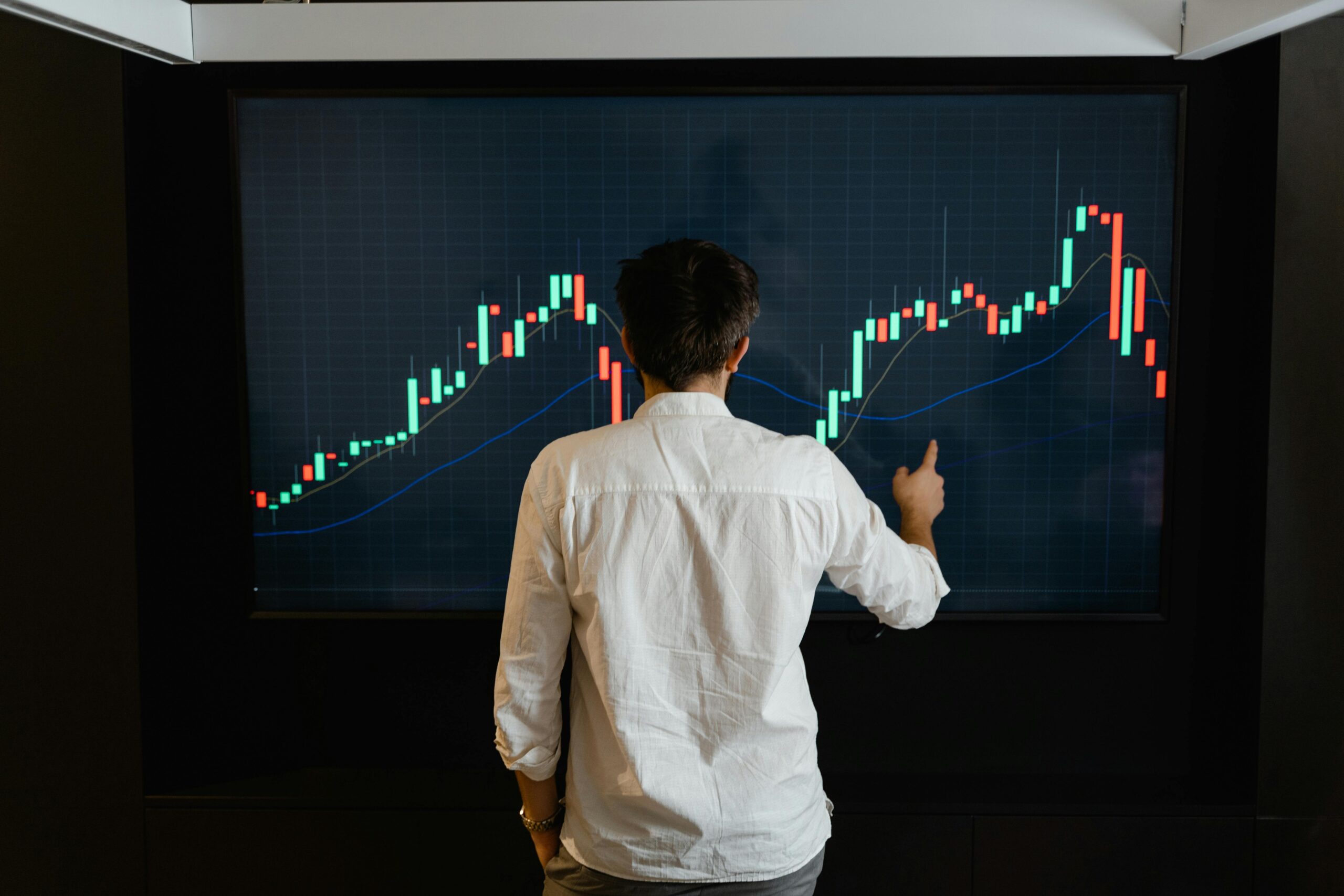
High-volume trading offers the potential for significant profits, but it also comes with elevated risks that demand a disciplined and strategic approach. Traders operating at high volumes face unique challenges, including increased exposure to market volatility, execution errors, and psychological stress. Without a robust risk management framework, even the most skilled traders can suffer substantial losses. This article explores key strategies that high-volume traders can implement to safeguard their capital and maintain consistency in their performance.
Position Sizing and Capital Allocation
One of the most fundamental aspects of risk management is determining how much capital to allocate to each trade. High-volume traders often execute dozens or even hundreds of trades per day, making it essential to avoid overexposure on any single position. Position sizing should be based on a percentage of total capital, adjusted for the volatility of the asset being traded. For example, more volatile instruments may warrant smaller position sizes to mitigate potential drawdowns.
Capital allocation should also be diversified across different instruments or markets to reduce systemic risk. By spreading exposure, traders can avoid the pitfalls of concentrated losses that may occur when a single asset moves sharply against their position.
Use of Stop-Loss and Take-Profit Orders
Stop-loss and take-profit orders are critical tools for managing risk in real time. A stop-loss order automatically closes a position when it reaches a predetermined loss threshold, preventing further erosion of capital. Take-profit orders, on the other hand, lock in gains once a target price is achieved. These orders help traders maintain discipline and avoid emotional decision-making, which can be particularly challenging during periods of high market activity.
For high-volume traders, setting these parameters consistently across trades is vital. Automated trading platforms can assist in applying uniform stop-loss and take-profit levels, ensuring that risk controls are not compromised by manual errors or oversight.
Monitoring Market Conditions and News Flow
Market conditions can shift rapidly, especially during periods of economic uncertainty or geopolitical tension. High-volume traders must stay informed about macroeconomic indicators, central bank announcements, and breaking news that could impact asset prices. Real-time news feeds and economic calendars are indispensable tools for anticipating volatility and adjusting trading strategies accordingly.
In addition to external news, traders should monitor internal metrics such as slippage, order execution speed, and liquidity. These factors can influence the effectiveness of a trading strategy and may require adjustments to order types or timing.
Leveraging Technology and Automation
Technology plays a central role in modern high-volume trading. Algorithmic trading systems can execute trades at lightning speed, manage multiple positions simultaneously, and apply risk parameters with precision. Automation reduces the likelihood of human error and allows traders to focus on strategy development and performance analysis.
Risk management features built into trading platforms can include real-time margin monitoring, automated alerts for unusual activity, and portfolio-level risk analytics. These tools provide traders with a comprehensive view of their exposure and help them make informed decisions under pressure.
Psychological Discipline and Routine Evaluation
The psychological demands of high-volume trading are often underestimated. Rapid decision-making, constant market monitoring, and the pressure to perform can lead to fatigue and impulsive behavior. Maintaining psychological discipline is essential for long-term success. Traders should establish routines that include regular breaks, performance reviews, and journaling to reflect on their decisions and outcomes.
Routine evaluation of trading strategies and risk management practices is also crucial. Markets evolve, and what works today may not be effective tomorrow. By analyzing trade data and adjusting strategies based on performance metrics, traders can stay ahead of the curve and continuously improve their approach.
Integrating Risk Management in Forex Trading
In the context of forex trading, risk management becomes even more critical due to the high leverage and 24-hour market cycle. Currency pairs can be highly sensitive to global events, and price movements can be swift and unpredictable. High-volume forex traders should pay close attention to interest rate differentials, political developments, and central bank policies. Using tools such as currency correlation matrices and volatility indicators can help manage exposure and avoid conflicting positions.
Moreover, because forex markets operate around the clock, traders must consider the impact of different trading sessions and time zones. Automated systems can help manage trades during off-hours, but risk parameters must be clearly defined to prevent unintended losses.
Conclusion
High-volume trading offers both opportunity and risk in equal measure. Without a structured approach to risk management, traders expose themselves to potentially devastating losses. By implementing strategies such as disciplined position sizing, automated order controls, real-time market monitoring, and psychological resilience, traders can navigate the complexities of high-volume environments with greater confidence. Risk management is not a one-time setup but an ongoing process that evolves with the trader’s experience and the dynamics of the market.