
































Awnings have become a practical and stylish addition to many homes and commercial spaces across the UK. They offer shade, protection from the elements, and a way to extend outdoor living areas without permanent construction. Whether installed over a patio, garden seating area, or shopfront, awnings provide both comfort and visual appeal.
If you are considering installing one, exploring options from providers like Regal Awnings can help you understand the variety available. Each type of awning is designed with a specific purpose in mind, and choosing the right one depends on your space, budget, and how you plan to use it.
What Are Awnings and Why Do They Matter?
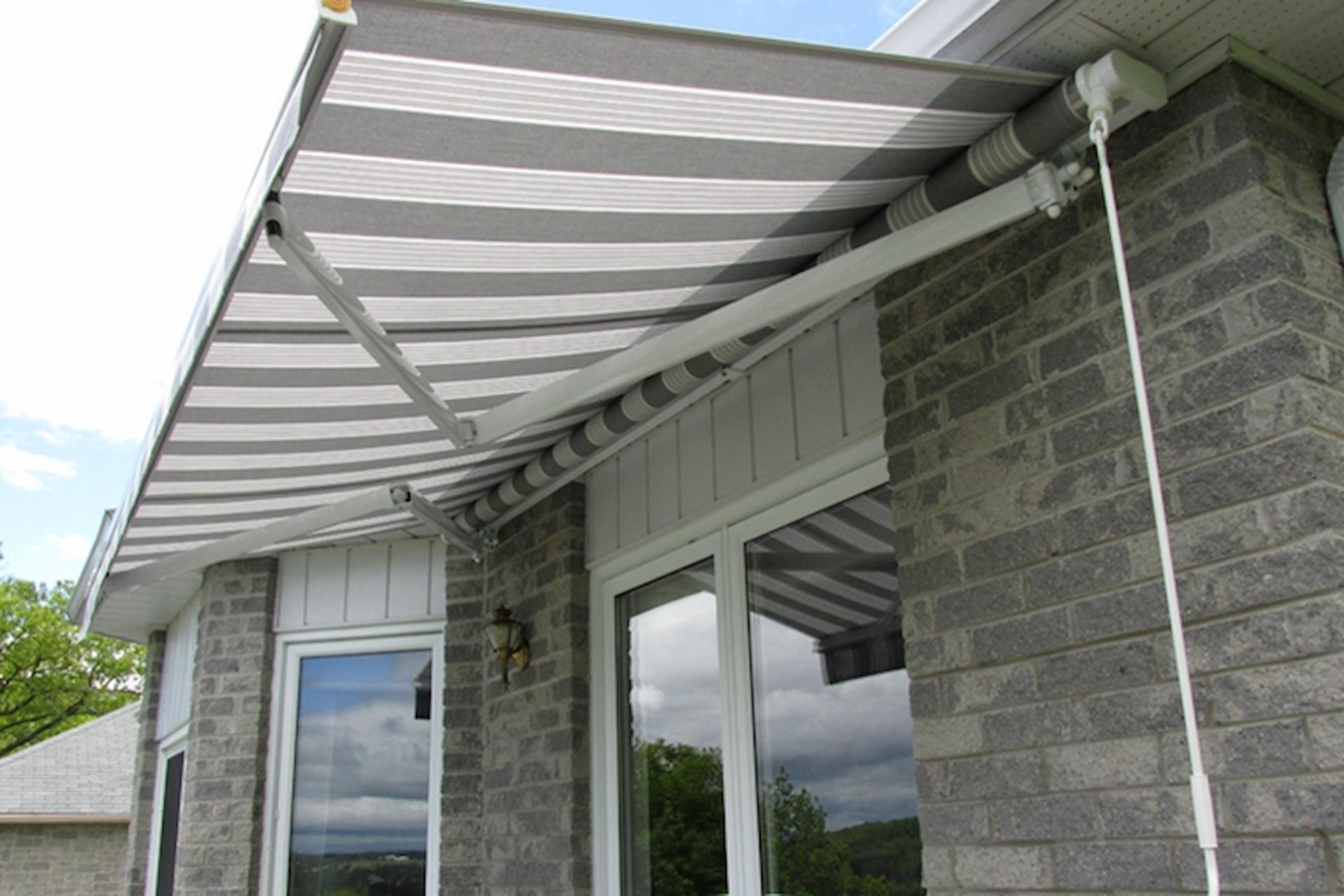
An awning is a secondary covering attached to the exterior of a building. Typically made from durable fabric stretched over a frame, it offers shade and protection from rain and sunlight. Modern awnings are often retractable, allowing users to adjust coverage based on weather conditions.
They are not just functional. Awnings also enhance the look of a property, improve energy efficiency by reducing indoor heat, and create inviting outdoor areas for relaxing or entertaining.
Cassette Awnings: Full Protection and Sleek Design
Cassette awnings are considered one of the most advanced options available. When fully retracted, the fabric, arms, and mechanism are enclosed within a protective casing, known as a cassette.
Key Features:
- Complete protection from weather when not in use
- Clean, streamlined appearance
- Longer lifespan due to reduced exposure to dirt and moisture
This type is ideal for homeowners who want a low-maintenance solution with a modern finish. Because all moving parts are shielded, cassette awnings tend to require less upkeep and perform well over time.
However, they are usually more expensive than other types due to their enclosed design and additional components.
Semi-Cassette Awnings: A Balanced Option
Semi-cassette awnings offer a middle ground between full cassette and open designs. In this style, the fabric is partially enclosed when retracted, while some parts, such as the arms, remain exposed.
Key Features:
- Partial protection for the fabric
- More affordable than full cassette awnings
- Good balance between durability and cost
These awnings suit homeowners who want some protection for their investment without committing to the higher cost of a full cassette system. They are particularly effective in areas that are somewhat sheltered from extreme weather.
Freestanding Awnings: Flexible and Versatile
Freestanding awnings are not attached to a wall or building. Instead, they are supported by their own frame, making them highly versatile.
Key Features:
- Can be placed anywhere in a garden or outdoor space
- Ideal for large areas such as patios or poolside settings
- No need for wall mounting
This type is especially useful if your property does not have a suitable wall for installation. It also works well for commercial settings like cafés and outdoor dining areas where flexible coverage is needed.
The main consideration with freestanding awnings is space. They require sufficient room for the frame and may need secure anchoring to ensure stability in windy conditions.
Canopy Awnings: Fixed and Reliable Coverage
Canopy awnings are typically fixed structures that provide permanent coverage. Unlike retractable designs, they remain in place and are often supported by a rigid frame.
Key Features:
- Constant protection from sun and rain
- Durable and sturdy construction
- Suitable for entrances, windows, and shopfronts
These awnings are commonly seen in both residential and commercial environments. They are particularly effective for areas that require continuous shelter, such as doorways or outdoor seating zones.
While they do not offer the flexibility of retractable systems, their reliability makes them a practical choice for consistent use.
Choosing the Right Awning for Your Space
Selecting the right awning depends on several factors, including your outdoor layout, weather exposure, and personal preferences. Before making a decision, it is helpful to consider the following:
- Purpose: Are you looking for shade, rain protection, or both?
- Location: Will the awning be wall-mounted or freestanding?
- Budget: Different types vary significantly in cost
- Maintenance: Some designs require more upkeep than others
- Aesthetic: Choose a style that complements your property
By assessing these elements carefully, you can narrow down the options and select an awning that suits your needs effectively.
Benefits of Installing an Awning
Beyond providing shade, awnings offer a range of practical advantages that make them a worthwhile investment.
Key Benefits:
- Enhanced outdoor living: Create a comfortable space for relaxing or entertaining
- Energy efficiency: Reduce heat entering your home, lowering cooling costs
- Weather protection: Shield outdoor furniture and surfaces from rain and sun
- Increased property appeal: Add visual interest and functionality
- Flexible usage: Retractable options allow control over coverage
These benefits make awnings a popular choice for homeowners looking to maximise the usability of their outdoor areas.
Installation and Maintenance Considerations
Proper installation is essential for ensuring that an awning performs well and remains safe to use. Wall-mounted options require secure fixing to the structure, while freestanding designs need stable positioning.
Maintenance varies depending on the type. Cassette and semi-cassette awnings generally require less cleaning due to their protective casing, while open or canopy designs may need more frequent attention to keep them in good condition.
Regular checks for wear and tear, along with occasional cleaning of the fabric, can help extend the lifespan of your awning.
Conclusion
Choosing the right awning is more than a design decision it is an investment in comfort, functionality, and property value. Whether you opt for the full protection of a cassette awning, the balanced affordability of a semi-cassette model, the flexibility of a freestanding structure, or the durability of a fixed canopy awning, each option offers distinct advantages.
By carefully evaluating your outdoor space, weather exposure, and usage requirements, you can select a solution that delivers long-term performance and aesthetic appeal. A well-chosen awning not only enhances outdoor living but also improves energy efficiency and extends the usability of your space throughout the year, making it a practical and worthwhile addition.