


































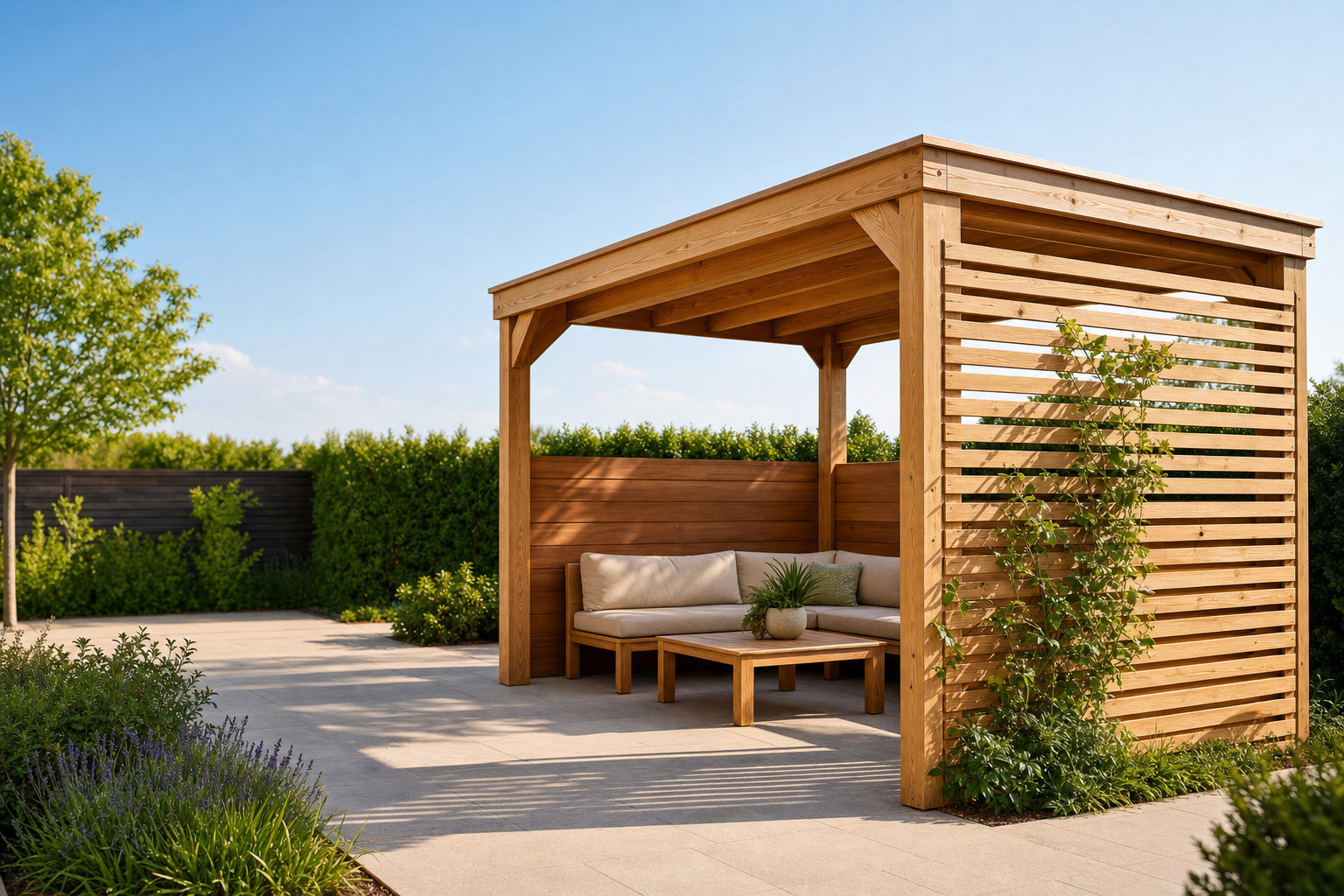
Timber gazebos offer an effective and attractive way to establish privacy in modern gardens. While boundary fences and hedges play a role, a purpose-built structure can provide targeted seclusion without sacrificing sunlight or openness. Thoughtful design and placement can help support privacy while maintaining a welcoming, usable outdoor space.
Privacy is increasingly important as gardens become true extensions of the home. Many homeowners want to enjoy outdoor spaces shielded from neighbouring views, but wish to avoid making the area feel enclosed or dark. A bespoke gazebo, if carefully integrated into a garden’s layout, may provide practical screening and a sense of retreat. Achieving the right balance requires a design approach that considers positioning, structure, and the interplay with natural light.
Understanding privacy needs in today’s gardens
Modern gardens are frequently overlooked by neighbouring properties, with boundary lines, windows, and elevated views presenting obstacles to uninterrupted privacy. Even solid fencing may not resolve issues arising from nearby tall buildings or the closeness of shared spaces.
Too solid a barrier may block natural light or restrict airflow, potentially making an area feel oppressive. Many people seek solutions that soften sightlines while retaining natural brightness, blending the benefits of screening with an open, welcoming character.
Design features that support effective screening
Timber structures bring several options to enhance outdoor privacy. Side panels, slatted timber, and partial walls can reduce sightlines yet admit daylight. Posts and lattice offer further choices for shielding seating or dining areas from direct views.
Rooflines and orientation are relevant for blocking lines of sight from above or from the sides. Rotating or positioning the structure can help reduce visibility from neighbouring balconies or upper windows. Creating a defined “room” within the garden may offer privacy without completely enclosing the space with perimeter fencing.
Careful placement is central to effective screening. Situating a gazebo near patios, or away from the house, can establish private spots for relaxation or socialising. Main viewing angles from neighbours and paths, as well as legal constraints, should always be considered as part of the planning process.
Environmental factors also deserve attention. The structure’s orientation in relation to the sun must allow for enough light in outdoor areas. Installing a structure without proper planning may raise security considerations, particularly around features such as French door locks, which are sometimes used to help secure patio access. Assessing these concerns at the planning stage supports a balanced, secure outcome.
Refining your space with adaptable and layered solutions
Timber gazebos can be designed with closed or open sides, each offering different privacy solutions. Features such as slatted screens, shutters, and curtain panels allow for flexible use, so the level of seclusion can be adjusted throughout the day or year.
It is worth matching the scale of the structure to the garden. A gazebo that is too large will dominate, while one too small may not offer meaningful privacy. Appropriate proportions achieve both function and visual balance, contributing to a sense of integration rather than intrusion.
Incorporating evergreen planting or climbing plants around timber elements creates a softer, natural screen. Climbers on trellis supports mitigate the harshness of solid walls, blending the gazebo with its surroundings. The right plant selection can improve coverage all year while keeping maintenance to a practical level and helping prevent dampness against timber features.
Material quality is important for long-term performance. Treated timber usually withstands weather better, while periodic care, such as resealing or staining, helps prevent warping and weathering. Ongoing maintenance supports the effectiveness of privacy features and keeps the structure looking attractive.
Key considerations to avoid common pitfalls
Installing a gazebo too close to property boundaries risks disputes or breaches of planning rules, so it is advisable to check relevant restrictions before starting. Placement also helps to avoid overshadowing or blocking light to nearby rooms.
Overbuilding is a risk in smaller gardens. Excessively solid structures can create dark, awkward corners and reduce openness. Through careful layout, flexible screening, and planting, garden privacy needs can be balanced with a welcoming outdoor environment suitable for year-round use.