


































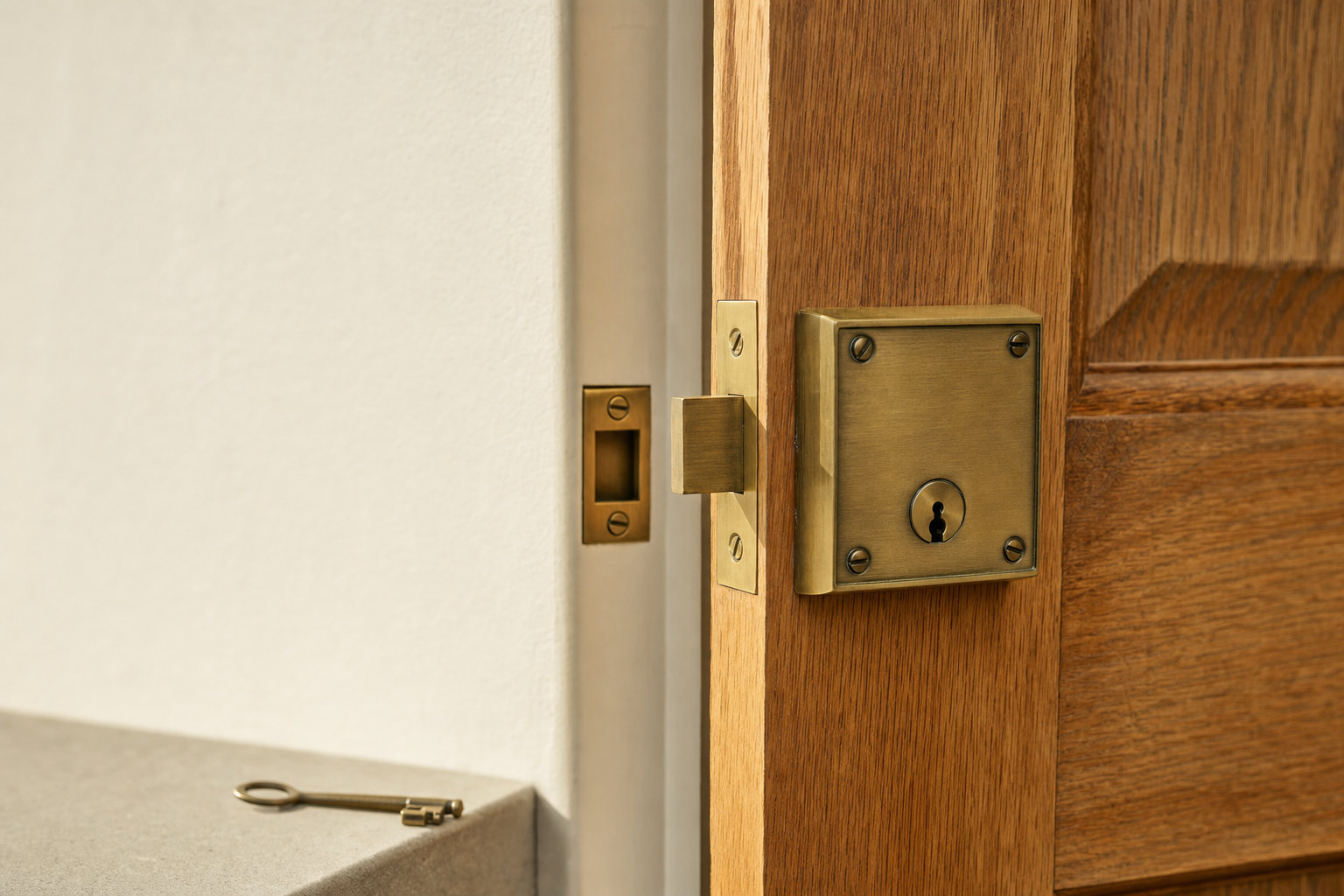
Reliable door locks are essential for maintaining a secure and comfortable home. Selecting the right locking system ensures both convenience and enhanced protection against unauthorised entry. Understanding traditional locks helps with informed decisions about household safety and daily access.
Securing your front and back doors is an important consideration for households, as maintaining home security is a continual priority. The use of mortice deadlocks demonstrates how certain types of locks continue to be relied upon for protecting property. Understanding how various locking mechanisms work and how they affect day-to-day living can guide you in choosing suitable options for your home. Balancing a lock’s security features with usability ensures that security does not come at the expense of daily convenience.
Making sense of mortice locks for your home
Mortice locks are installed within the door itself rather than mounted on the surface. This type of installation requires a specifically cut pocket, known as a mortice, so the lock fits flush with the edge of the door for improved security and a tidy finish.
Mortice locks are most commonly found on external doors where increased resistance to tampering is important. They are less frequently used on internal doors; however, in larger homes or buildings with private living areas, they can offer extra privacy. The flush design of mortice locks also means less protrusion, reducing wear over time.
Common types and features that affect use
Mortice locks are available in a few types, with the simplest being a basic key-operated deadlock. These need a key for both locking and unlocking, providing straightforward security that is not dependent on spring action.
Some mortice locks also feature latch mechanisms, making it possible to close the door automatically and open it from the inside without a key, while retaining deadlocking capacity where needed. The configuration chosen can impact not only security, but also day-to-day use. For instance, double cylinder locks allow locking and unlocking from both sides with a key, offering added flexibility for households with differing routines.
Balancing security with everyday practicality
Mortice locks installed properly offer greater resistance to forced entry than many types of surface-mounted locks, due to being anchored within the door and frame. High-quality materials and correct fitting are important for durability and smooth operation over time.
Convenience is also a key factor, so features like the ability to deadlock from either side, or combining latching and locking functions, add value for regular use. In comparison, a bespoke gazebo might illustrate the appeal of tailored solutions, but for most properties, a well-chosen mortice lock is typically an effective way to combine security with practicality. Making sure everyone in the household is familiar with daily routines such as locking up at night also supports safety in practice.
Assessing the right fit for your door and home
Not all doors will accept every type of mortice deadlock, so checking the compatibility with your door’s material, thickness, and existing hardware is important before installation. Non-standard or older doors may sometimes need adjustments to accommodate a mortice lock securely.
When choosing a lock, factor in household routines, security priorities, and compliance with any relevant building or insurance standards. Mortice deadlocks often meet main entrance security standards thanks to their typical durability and reliable design. Maintaining the condition of your locks through basic care can help ensure consistent performance and prolong their lifespan.
Installation tips and maintaining long-term performance
Correct installation is essential for both the effectiveness and ease of use of a mortice lock. Ensuring it is properly aligned with the door and frame helps mechanisms move smoothly. Difficulty with turning the key or frequent sticking can indicate alignment problems that should be promptly resolved.
Ongoing care involves occasional light lubrication and ensuring the keyway is clear, helping to prevent operational issues. Over time, it may be necessary to adjust or replace parts to keep the lock performing as intended. Giving attention to the maintenance of your mortice deadlocks supports both trouble-free use and continued home security.