






























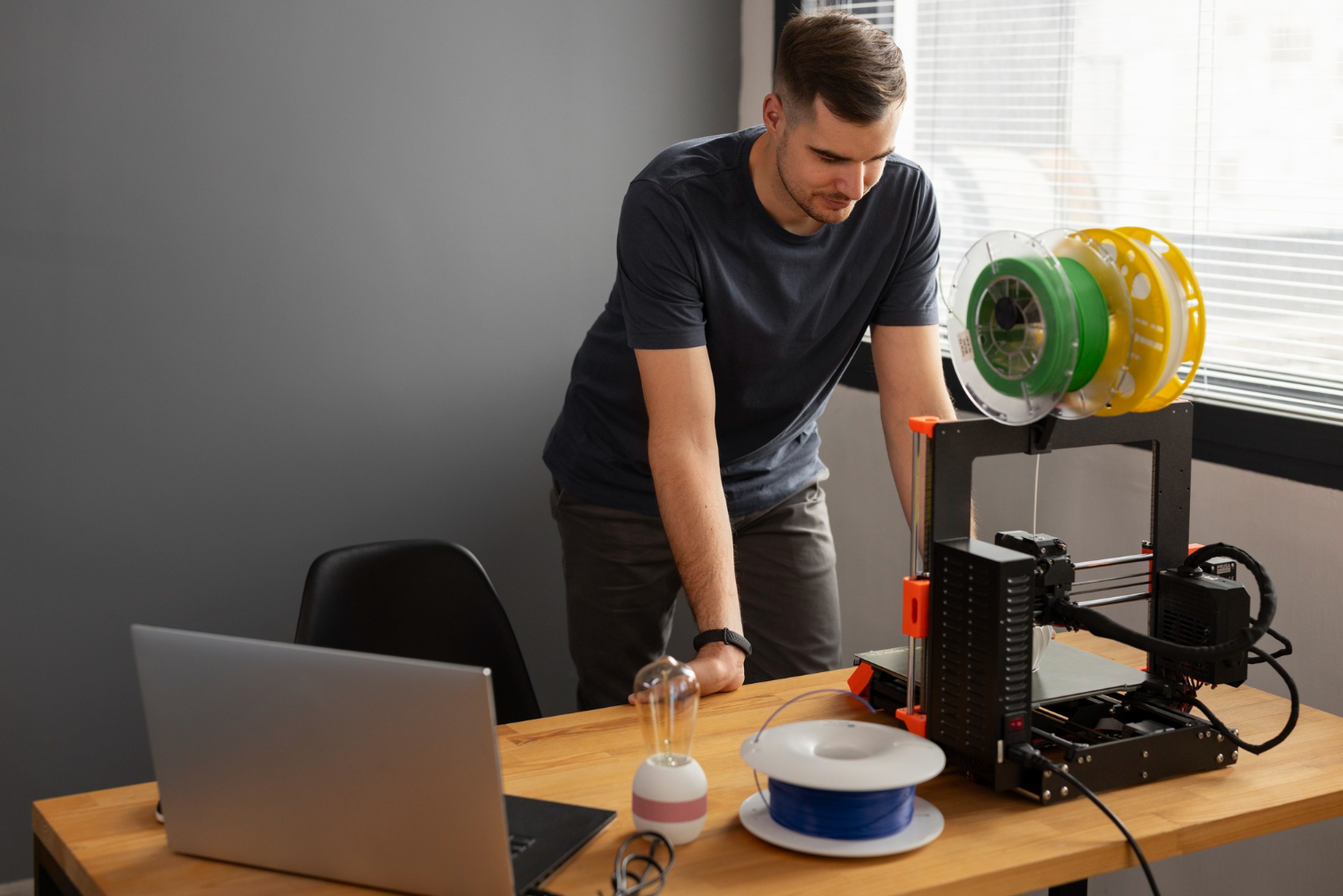
UV DTF printing is becoming one of the most popular methods for custom printing on hard surfaces. Many small business owners, crafters, and print shops are switching to it because it is easy to use and produces great results. In this ultimate guide, we explain everything you need to know about UV DTF printing in simple terms. We cover what it is, how it works, its pros and cons, and practical tips to help you get started.
What is UV DTF Printing?
UV DTF stands for Ultraviolet Direct to Film printing. It is a modern printing technique where you print your design onto a special film and then transfer it onto different surfaces like stickers.
Unlike regular printing, UV DTF uses special inks that dry instantly when exposed to ultraviolet light. This creates durable, high-quality prints that stick well to many materials. The final result looks like a strong, glossy sticker that you can apply by hand.
UV DTF printing works especially well on hard items that are difficult to print on with other methods. It has grown quickly because it is simple and does not require many complicated steps.
How UV DTF Printing Works
The process of UV DTF printing is straightforward. Here is a step-by-step guide:
- Design Preparation: You create or upload your design on a computer using graphic software. Make sure the design is in high resolution for sharp prints.
- Printing on Film: The UV DTF printer prints the design onto a special transfer film. It first prints a white base layer, then the color layers, and finally a clear adhesive layer on top.
- UV Curing: After printing, the film passes under UV lights. This cures the inks instantly, making them dry and ready to use right away.
- Peeling and Transfer: You cut out the design and peel it from the film. Then you simply stick it onto the target surface like a sticker. No heat press is needed in most cases.
- Finishing: Press the design firmly with a squeegee or your hand to remove any air bubbles. The design bonds strongly within minutes.
The whole process is fast and clean, which makes it perfect for small businesses and on-demand orders.
Advantages of UV DTF Printing
UV DTF printing has many benefits that make it attractive for both beginners and experienced users.
First, it works on a wide range of hard surfaces. You can print on phone cases, mugs, bottles, glass, metal, wood, acrylic, leather, and even some plastics. This versatility helps businesses offer more products.
Second, the prints are very durable. They resist water, scratches, and fading. Customers can use the products daily without worrying about the design coming off quickly.
Third, the process is simple. You do not need complex equipment like a heat press for most transfers. This saves space and money compared to other methods.
Fourth, colors look bright and vivid. The white base layer helps colors stand out, even on dark or clear surfaces.
Fifth, it supports small batch production. You can print one item or dozens without high setup costs. This is great for custom orders and personalized gifts.
Many users also like the glossy finish that UV DTF provides, which gives products a premium look.
Disadvantages of UV DTF Printing
While UV DTF printing is excellent for many uses, it also has some limitations.
The prints can feel slightly raised on the surface. This may not be ideal if you want a completely flat, smooth finish.
It works best on flat or slightly curved surfaces. Very curved or textured items can be more difficult to apply evenly.
The cost of films and inks is higher than some basic printing methods. However, the speed and ease often balance out the price for small to medium runs.
UV DTF is not suitable for soft fabrics like t-shirts. For clothing, other methods such as regular DTF printing work better.
Finally, strong sunlight or extreme heat over long periods may affect the prints on some materials, so proper testing is important.
UV DTF Printing vs Other Methods
Many people compare UV DTF with UV flatbed printing and regular DTF. Each method has its own best uses.
UV DTF is easier for small objects and gives better results on irregular shapes. If you want to learn the detailed differences, you can view more.
Compared to screen printing, UV DTF is faster for custom work and requires less setup. Compared to sublimation, it works on more material types without needing special coatings.
Common Applications of UV DTF Printing
Businesses use UV DTF printing in many creative ways. It is very popular for phone cases and accessories. Many sellers create custom designs for customers quickly.
Promotional products like mugs, tumblers, keychains, and pens are common. Companies use it to add logos and branding on corporate gifts.
Home decor items such as wall stickers, coasters, and signs also look great with UV DTF. The glossy finish adds a nice touch to these products.
Beauty and cosmetic packaging, jewelry boxes, and even automotive accessories use this method. The strong adhesion makes it reliable for daily-use items.
Equipment Needed for UV DTF Printing
To start UV DTF printing, you need a few basic items:
- A UV DTF printer (A3 or A4 size is good for beginners)
- Special UV DTF films
- UV inks (CMYK plus white)
- Design software
- Cutting machine or scissors
- Squeegee tool for application
Optional but helpful tools include a laminator for extra protection and good lighting for quality checks.
Choose reliable equipment from trusted suppliers. Good machines give consistent results and last longer.
Tips for Best Results
Here are some practical tips to improve your UV DTF printing:
Always use high-resolution designs. Low-quality images will show in the final print.
Test the surface first. Clean it well and do a small sample print to check adhesion.
Control your workspace temperature and humidity. This helps the film and inks perform better.
Store films and printed sheets away from direct sunlight and dust.
Peel the film slowly and carefully to avoid damaging the design.
For best adhesion, apply even pressure when sticking the print onto the surface.
Start with simple designs and gradually move to more complex ones as you gain experience.
Common Mistakes to Avoid
New users often make a few common mistakes. One is using low-quality films or inks. This leads to poor adhesion and quick fading.
Another mistake is not curing the print properly under UV light. Always follow the recommended curing time.
Skipping the cleaning step before application is also common. Dust or oil on the surface can prevent the design from sticking well.
Finally, do not rush the peeling process. Taking time gives cleaner edges and better results.
The Future of UV DTF Printing
UV DTF printing continues to improve. New printers are becoming faster and more affordable. Better inks and films are making prints even more durable.
Many experts believe this technology will grow in the personalized gift market and small business sector. As demand for custom products increases, UV DTF offers a simple and effective solution.
Getting Started with UV DTF Printing
Starting with UV DTF printing is easier than many people think. Begin with small orders to learn the process. Join online communities to share experiences and get advice from other users.
With practice, you can produce professional-looking custom products that customers love.
For quality UV DTF printers, films, and supplies, visit dtflinko.com. They offer reliable solutions for beginners and established businesses.
Final Thoughts
UV DTF printing is a powerful and user-friendly method for creating custom designs on hard surfaces. Its ease of use, strong durability, and wide material compatibility make it a great choice for many applications.
Whether you run a small print shop, sell personalized gifts, or want to start a side business, UV DTF printing can help you deliver high-quality results quickly.
Take time to understand the process, invest in good equipment, and practice regularly. With the right approach, you can build a successful custom printing business using UV DTF technology.
This guide covers the main points you need to know. Start small, learn from each project, and watch your skills and business grow. UV DTF printing opens many opportunities in today’s custom product market.