



































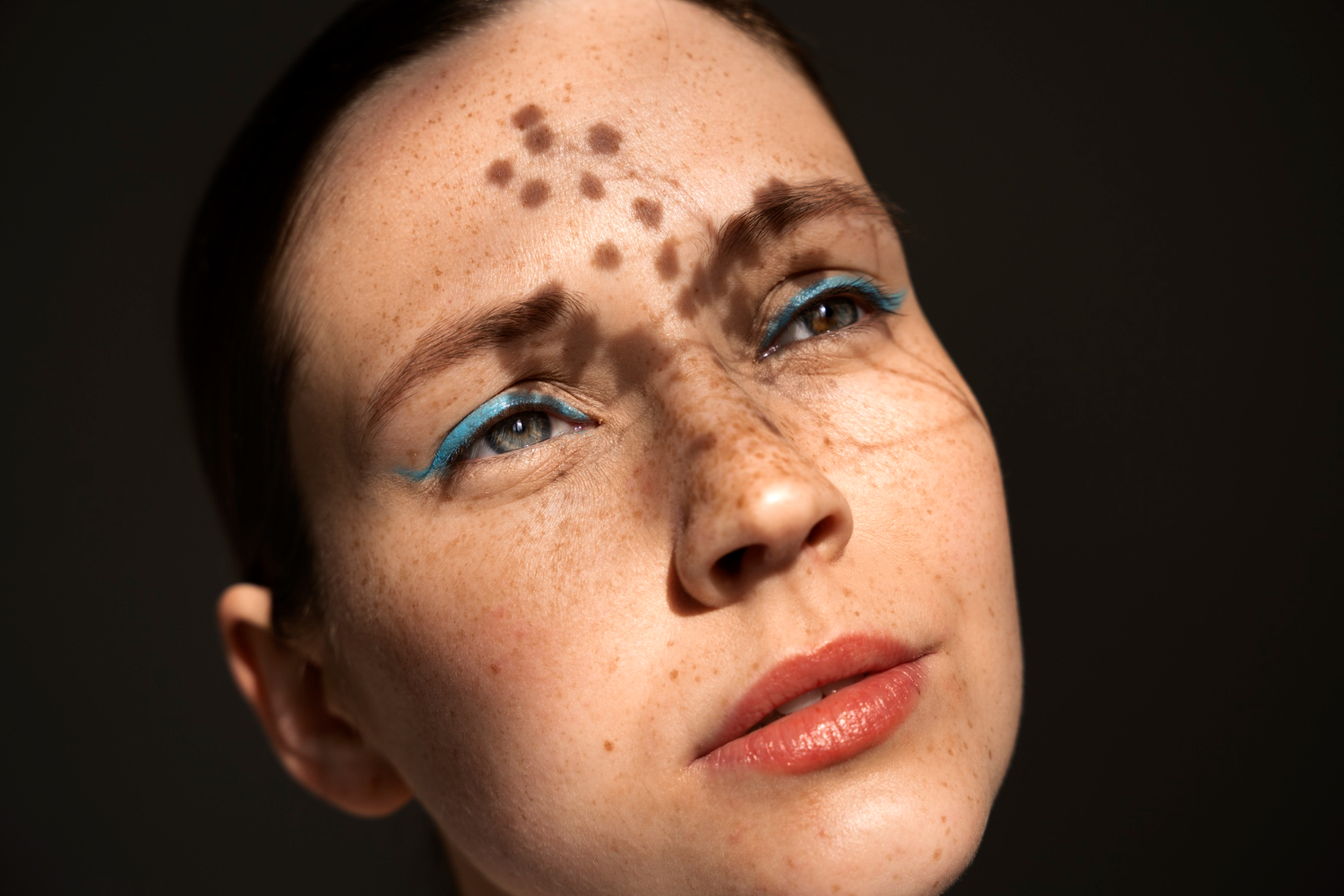
When looking at cosmetic products and treatments, the term “pigment” is used regularly, whether in balms or laser therapy. But what does skin pigmentation actually mean? Simply put, skin pigmentation is the result of your body’s melanin production, coming from skins in the skin called melanocytes. Everyone, except for people with albinism, has melanin, which determines skin, eye and hair colour.
This article will dig deeper into how pigmentation works, the issues that it can be related to and what treatment options are designed to achieve. By the end, you should feel more confident anywhere from a local chemist to a specialist aesthetics clinic.
How skin pigmentation works
Your skin is essentially a reactive canvas, meaning its colours and pigmentation react to different triggers. For example, exposure to UV rays from the sun will send the melanocytes into overdrive, increasing pigmentation to protect your DNA from damage. Basically, a tan and sunburn are your body’s defence system against the cellular stress of sun exposure.
It’s worth noting that there are different forms of melanin that impact how your skin responds.
- Eumelanin provides brown and black tones; a higher pigmentation with much better protection
- Pheomelanin provides red and yellow tones, closer to traditional sunburn symptoms
Of course, people from different ethnic backgrounds and histories have different melanin and pigmentation responses.
Why “pigmentation” can cause issues
It’s worth noting that when people refer to “pigmentation treatment”, they’re often talking about hyperpigmentation. Hyperpigmentation issues take various forms, but in general, they result in patches of darker or discoloured skin on the face or body.
Some common pigmentation issues include:
- Sun spots, age spots or solar lentigines are localised areas of high melanin caused by sun exposure over the years.
- Post–inflammatory hyperpigmentation (PIH) is essentially the leftovers from a previous injury. This can be from the skin healing after acne, burning or scratching, overproducing melanin and leaving behind a dark mark.
- Melasma is triggered by hormonal shifts, such as pregnancy or birth control impacts, resulting in large symmetrical patches, generally on the face.
These conditions, while harmless in isolation, can all cause insecurities and confidence issues in those living with them, leading many to seek out skin pigmentation treatments. Since options like laser therapy and chemical peels carry real risks if performed incorrectly, it’s worth choosing a practitioner whose qualifications and insurance have been checked through a reliable platform like Cosmedi Check.
Common skin pigmentation treatments
In the past, pigmentation treatments were largely focused on bleaching the skin. However, in 2026, there are several more precise treatments available.
- Laser therapy, such as intense pulsed light, uses light energy to shatter the pigment particles under the skin. The body can then carry them away from the skin through a standard immune response.
- Chemical peels use acids or natural compounds to lift the top layers of pigmented skin off a face, encouraging new, evenly coloured cells to rise to the surface.
- Topical tyrosinase inhibitors use ingredients such as vitamin C, azelaic acid and kojic acid to signal the skin’s response to stop overproducing pigment.
These are some of the most common forms of treatment for pigmentation issues in today’s clinical landscape, but it’s worth noting that they all have distinct recovery processes.
Reasons people might seek out treatment for their skin pigmentation include:
- Getting a more aesthetically uniform skin tone or profile
- An opportunity to check for broader health conditions, as pigmentation issues can sometimes be indicative of more severe conditions like melanoma
- Dealing with these conditions can benefit people’s self-consciousness or social anxiety
Handling any of these things can be instrumental in helping a person rediscover their most confident self.
With this guide, you should feel much more ready to understand pigmentation products and treatments, whether perusing a pharmacy or getting an aesthetic consultation.
> **The Golden Rule:** No pigmentation treatment works without **Sunscreen**. If you treat a spot but don’t protect it from the sun, the melanocytes will simply reactivate, and the spot will return—often darker than before.
Are you asking out of general curiosity, or are you looking into specific ingredients for a skincare routine?






, how to eliminate pigmentation on face(6,600), higher pigmentation (2,400), skin pigmentation treatment)