


































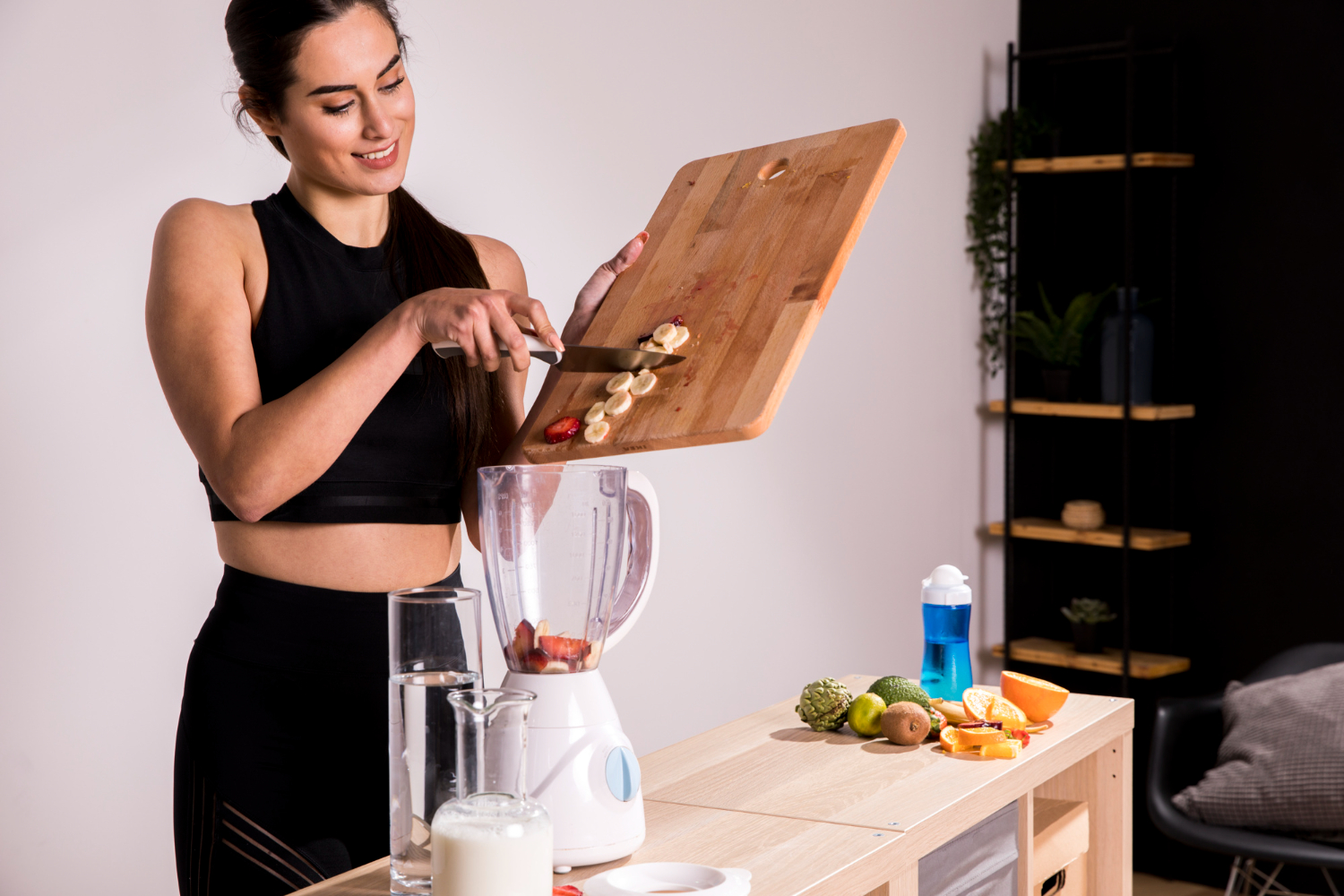
A juicer can be one of the most exciting additions to a kitchen. It promises fresh beverages, healthier habits, and a convenient way to enjoy more fruits and vegetables. Yet many homeowners discover an unexpected problem shortly after making their purchase: the appliance doesn’t fit their kitchen or their routine, as they imagined.
Perhaps it’s too large for the available counter space. Maybe it’s difficult to store, challenging to clean, or simply doesn’t match the way the household actually uses it. Before long, an appliance that seemed like a great investment ends up gathering dust in a cabinet.
The truth is that choosing the right juicer involves much more than comparing prices and reading product specifications. The best model for one homeowner may be completely wrong for another. Kitchen size, storage options, family routines, and personal wellness goals all play an important role in the decision.
By taking a thoughtful approach, homeowners can select a juicer that complements both their living space and their lifestyle. The result is an appliance that gets used regularly and becomes a valuable part of a healthier, more functional kitchen.
Assess Your Juicing Habits and Health Goals
Before evaluating features or browsing appliance catalogs, it’s important to understand why you want a juicer in the first place.
Many homeowners begin their search with a general goal of “eating healthier,” but that broad objective can mean very different things in practice.
Some people plan to prepare fresh juice every morning as part of a daily wellness routine. Others want an appliance for occasional weekend use. Families may need to produce multiple servings at once, while individuals may only make a single glass at a time.
Defining your primary purpose helps narrow your options considerably.
For example, someone who enjoys daily green juices may prioritize efficiency and convenience. A family with several juice drinkers may place greater importance on capacity and durability. Occasional users may prefer a simpler model that requires less storage space.
Household size also matters.
A juicer used by one person a few times each week experiences very different demands than a machine serving an active family. Larger households often benefit from appliances capable of handling greater volumes of produce without frequent interruptions. Homeowners who regularly prepare several days’ worth of juice at once may also spend time researching how to choose a juicer for batch juicing, since factors such as capacity, efficiency, and ease of cleanup become increasingly important when processing larger quantities of ingredients.
It’s also helpful to think about your schedule.
Do you envision preparing juice before work each morning? Will you batch-prep beverages on weekends? Do you have young children running around while you’re trying to make breakfast?
Understanding your routine allows you to identify features that will genuinely improve your experience.
The more accurately you assess your habits, the easier it becomes to choose an appliance that supports them.
Evaluate Your Kitchen Layout and Available Space
One of the most overlooked factors when purchasing a juicer is the kitchen itself.
Homeowners often focus entirely on appliance features without considering where the appliance will actually live.
Counter space is particularly important. In smaller kitchens, every inch matters. A large appliance may perform exceptionally well, but if it dominates the workspace, it can quickly become frustrating.
Before making a purchase, take measurements. Consider not only the footprint of the appliance but also the space required for operation. Some juicers need additional room for ingredient preparation, juice collection containers, and pulp bins.
Storage is equally important.
Ask yourself whether the juicer will remain on the counter or be stored between uses. Frequent users often benefit from keeping the appliance readily accessible. If the juicer must be lifted from a high shelf every time it’s needed, usage may decline over time.
Fortunately, there are numerous storage solutions available. Appliance garages, dedicated cabinet shelves, pantry spaces, and rolling kitchen carts can all help accommodate kitchen equipment without sacrificing functionality.
Workflow should also influence your decision.
Think about how ingredients move through your kitchen. Ideally, the juicer should be located near produce storage areas, preparation surfaces, and the sink. This arrangement minimizes unnecessary movement and simplifies both preparation and cleanup.
When an appliance integrates naturally into the kitchen’s layout, it becomes easier to use consistently.
The goal is to create a setup that feels convenient rather than disruptive.
Understand the Main Types of Juicers
Once you’ve evaluated your goals and available space, it’s time to understand the different types of juicers on the market.
Each category offers distinct advantages and may suit different lifestyles.
Centrifugal Juicers
Centrifugal juicers are among the most common options available. They use rapidly spinning blades to separate juice from pulp.
One of their primary advantages is speed. They can process many fruits and vegetables quickly, making them appealing for busy households.
These models are often straightforward to operate and may have a lower upfront cost compared to some alternatives.
However, centrifugal juicers are not always ideal for every ingredient. Certain leafy greens and softer produce may not be processed as efficiently as with other designs.
Slow (Masticating) Juicers
Slow juicers, often called masticating juicers, use a crushing and pressing action rather than high-speed blades.
Many homeowners appreciate their efficiency and versatility. They tend to work well with a wide variety of fruits, vegetables, and leafy greens while producing juice with minimal waste.
Although the process is generally slower, many users find the results worth the extra time.
These appliances are particularly attractive to health-conscious homeowners who prioritize regular juicing and long-term use.
Specialty and Compact Models
Not every kitchen requires a full-size juicer.
Compact models can be an excellent solution for apartments, small homes, and households with limited storage. Their reduced footprint makes them easier to accommodate in tight spaces.
Specialty appliances, such as citrus juicers, may also make sense for homeowners who primarily enjoy specific types of beverages.
The right choice ultimately depends on how the appliance will fit into your existing routine and available space.
Key Features That Can Improve the User Experience
While performance matters, everyday usability often determines whether a juicer becomes a favorite kitchen tool or an unused appliance.
One of the most important considerations is cleaning.
Many people enthusiastically use a new juicer for the first few weeks only to lose interest because cleanup feels cumbersome. An appliance with removable parts and straightforward maintenance requirements is often more likely to see long-term use.
Ease of cleaning should never be treated as a secondary feature.
Noise levels can also influence satisfaction, particularly in family homes or open-concept living spaces.
A loud appliance may not seem problematic during a brief store demonstration, but it can become less appealing when used early in the morning while other household members are sleeping.
Durability deserves careful consideration as well.
A higher-quality appliance may require a larger initial investment, but it often provides better long-term value through improved reliability and performance. Homeowners who juice regularly may find that investing in durable construction ultimately saves money over time.
Additional convenience features can further enhance the experience.
Large feed chutes reduce preparation time by accommodating bigger pieces of produce. Adjustable pulp settings allow users to customize texture preferences. Safety mechanisms provide added confidence, especially in homes with children.
The best features are not necessarily the most advanced, they’re the ones that align with your specific needs and habits.
By focusing on usability rather than marketing trends, homeowners can make more informed decisions.
Conclusion
Choosing a juicer isn’t simply about selecting an appliance. It’s about finding a tool that complements your home, supports your goals, and fits naturally into your daily routine.
By evaluating your juicing habits, considering your kitchen layout, understanding the different types of juicers available, and prioritizing features that improve usability, you can make a decision that delivers lasting value.
The most successful kitchen upgrades are those that integrate seamlessly into everyday life. A thoughtfully chosen juicer can encourage healthier habits, simplify meal preparation, and enhance the functionality of your kitchen without creating unnecessary clutter or frustration.
Ultimately, the best juicer is not the most expensive model or the one with the longest list of features. It’s the one that works for your space, your schedule, and your lifestyle. When those elements align, a juicer becomes far more than an appliance, it becomes a practical investment in both your home and your well-being.