



































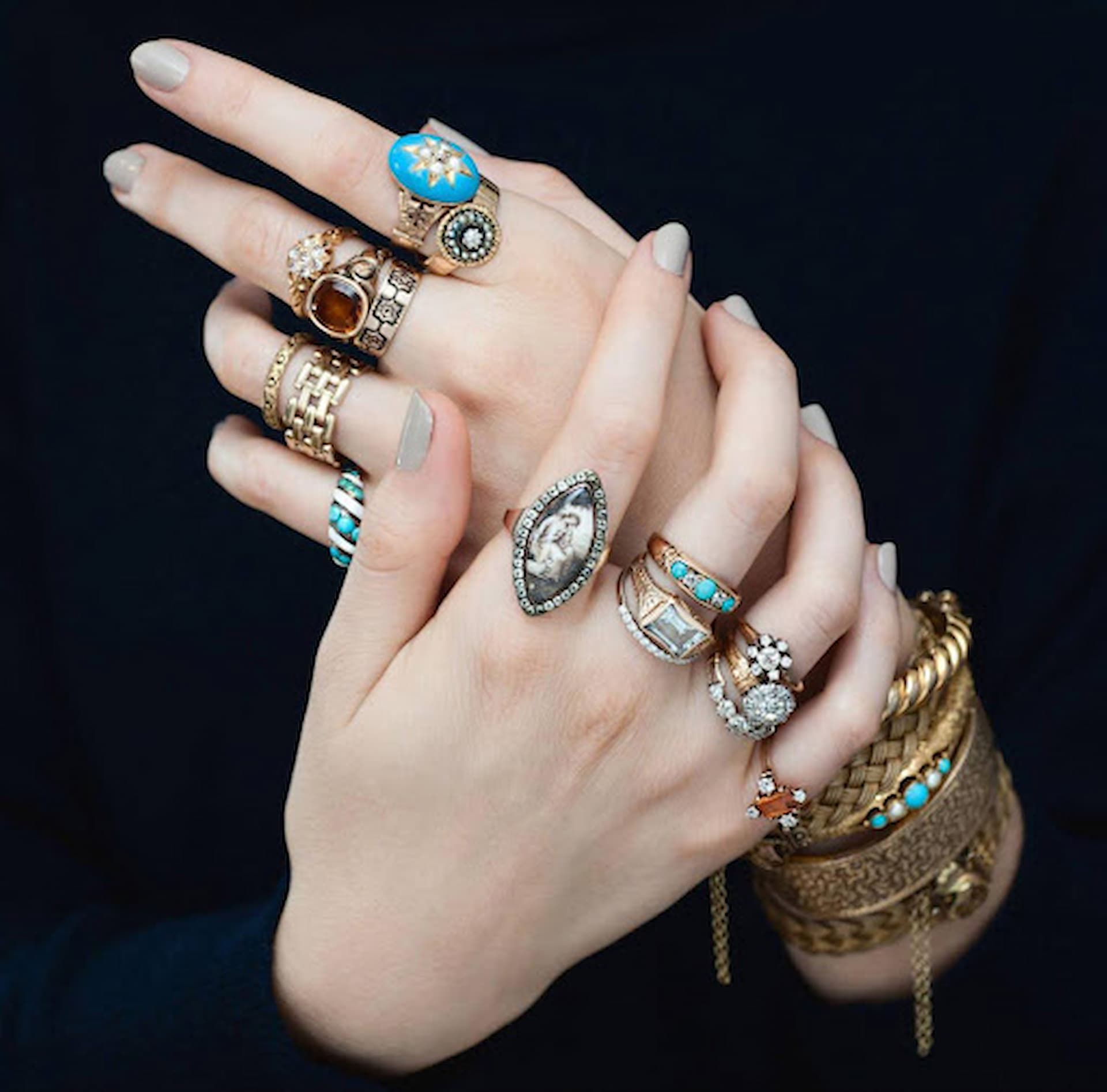
Antique rings possess an allure that transcends ornamentation. They are objects of legacy—refined artifacts shaped by the hands, tastes, and technologies of eras long past. To acquire or wear an antique ring is to hold history in its most intimate form. Each piece reflects not only aesthetic beauty but also the artistic movements, cultural values, and material innovations of the time in which it was created.
For those seeking antique rings—whether for an engagement, personal collection, or simple admiration of historical craftsmanship—the appeal lies in their rarity and narrative. These rings are not merely decorative; they are heirlooms in spirit, even when newly acquired. They represent continuity, permanence, and the timeless language of fine jewelry.
If you’re only looking for something vintage-inspired, this could help: https://www.wikihow.life/Choose-a-Vintage%E2%80%90Inspired-Engagement-Ring
Whether you are a collector, a romantic searching for a meaningful engagement piece, or someone fascinated by historical artistry, understanding antique rings elevates the experience. Learning about their history, hallmarks, and dating techniques deepens appreciation and ensures informed decisions. Knowledge transforms these pieces from beautiful accessories into documented fragments of history—objects whose value lies in both craftsmanship and story.
Admittedly, navigating antique jewelry can feel complex if you are not immersed in the jewelry world. Yet complexity should never be mistaken for inaccessibility. With careful study and attention to detail, anyone can develop the ability to assess and date antique rings with confidence and precision.
What Even Is an Antique Ring?
In jewelry classification, a ring is generally considered antique when it is more than 100 years old. Most antique rings therefore originate from periods prior to the 1920s, though certain classifications may extend slightly depending on design characteristics and craftsmanship techniques.
Unlike most modern jewelry, antique rings were almost always handmade. This handcrafted origin is central to their appeal. Slight irregularities, natural wear patterns, and subtle asymmetry are not flaws—they are signatures of authenticity. They reveal the human touch behind the creation, distinguishing antique rings from modern mass-produced designs.
Antique rings also evolved alongside society. Changes in metalworking technology, fashion preferences, and gemstone sourcing all influenced design. Because of this, each historical era produced distinctive characteristics that help experts date and identify pieces.
Georgian Era (1714–1837)
Often handcrafted in gold or silver, Georgian rings frequently featured foil-backed gemstones and closed settings designed to enhance candlelight brilliance.
Victorian Era (1837–1901)
Victorian jewelry emphasized symbolism and romance. Motifs included flowers, serpents, hearts, and memorial symbolism. Yellow and rose gold were especially popular.
Edwardian Era (1901–1915)
Edwardian rings are known for delicacy and refinement. Platinum allowed lace-like metalwork and intricate diamond settings, often accented by pearls.
Each of these periods left distinct technical and stylistic fingerprints that remain visible today.
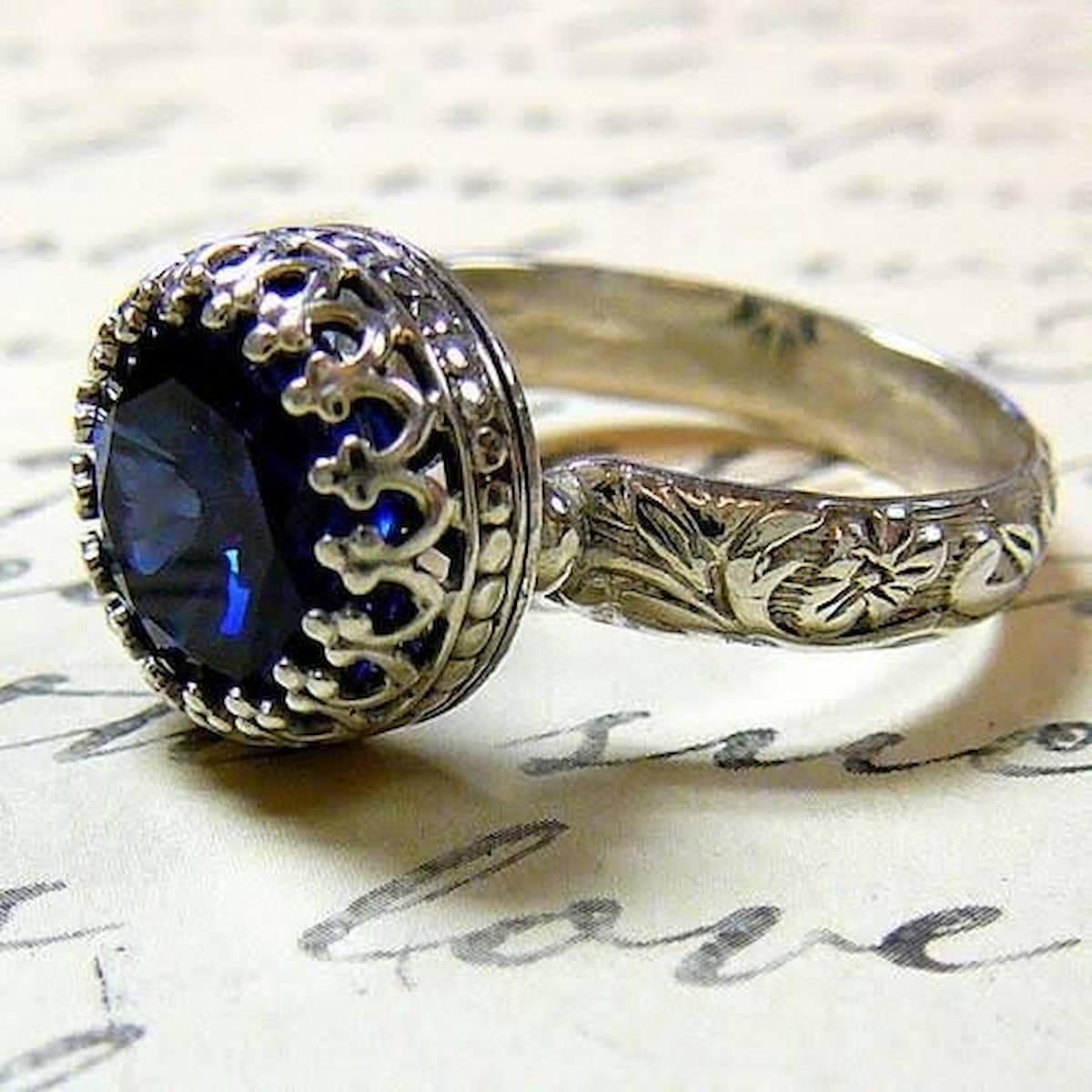
What the Hallmarks Can Tell You
When dating antique rings, hallmarks are among the most reliable tools available. These small stamps—usually located inside the band—contain critical information about origin, composition, and sometimes even production year.
Country of Origin
Many nations maintained strict hallmarking systems. These stamps can identify where the ring was made and sometimes which assay office verified the metal purity.
Maker’s Mark
Some rings include marks identifying the jeweler or workshop responsible for production. Recognized maker marks can significantly increase both historical interest and monetary value.
Metal Purity
Hallmarks frequently indicate gold karat, silver standard, or platinum purity. This information helps verify authenticity and period accuracy.
Date Letters
Certain hallmarking systems include date letters that correspond to specific years. When present, these allow remarkably precise dating.
It is also worth noting that antique hallmarks often show wear or slight irregularity. Perfectly crisp, uniform stamps may indicate later reproduction or restoration.
What Else Can You Check to Date the Rings?
Not all antique rings retain visible hallmarks. Time, resizing, and wear can remove or distort them. In these cases, additional evaluation techniques become essential.
Metal Type and Usage
Metal selection often reflects technological availability and fashion trends of specific periods.
- Platinum — Became widely used after 1900 due to improved refining methods
- Silver-Topped Gold — Common in earlier periods when platinum was rare or expensive
- Rose Gold — Particularly associated with Victorian-era jewelry
Understanding metal trends allows you to approximate production periods even without hallmark evidence.
Gemstone Cutting Techniques
Gemstone cutting styles evolved alongside tools and optical understanding. Recognizing cut styles can provide powerful dating clues.
- Rose Cut — Flat bottom with domed top; common in earlier centuries
- Old Mine Cut — Cushion-like shape with high crown and small table
- Old European Cut — Predecessor to modern round brilliant, with softer sparkle
Older cuts often appear less perfectly symmetrical than modern precision cuts but possess a distinctive, romantic brilliance.
Setting Styles
Setting construction offers further insight into age and authenticity.
Closed-Back Settings
Common in earlier jewelry, often paired with foil backing to enhance gemstone brightness.
Thicker Bezels and Claws
Earlier settings often appear more substantial due to manual shaping techniques.
Hand Engraving
Deep, organic engraving patterns typically indicate hand craftsmanship rather than machine production.
Together, these structural elements form a technical profile that helps place rings within specific historical contexts.
Why Antique Rings Continue to Captivate
Beyond technical analysis, antique rings hold emotional resonance unmatched by modern jewelry. They carry stories—of past owners, historic moments, and evolving artistic expression. For many buyers, this emotional depth is as important as material value.
From an investment standpoint, well-preserved antique rings often maintain strong collector demand. Pieces from recognizable periods or respected makers can appreciate over time, especially when accompanied by documentation or provenance.
More importantly, antique rings offer individuality. In a world of mass production, they provide exclusivity and personal narrative—qualities increasingly valued in luxury markets.
Final Thoughts
Understanding antique rings requires curiosity, patience, and attention to detail—but the reward is profound. When you learn to interpret hallmarks, metal usage, gemstone cuts, and setting techniques, you gain the ability to read history through craftsmanship.
Antique rings are not simply jewelry. They are cultural artifacts shaped by centuries of human creativity. Whether you are purchasing, collecting, inheriting, or simply studying them, developing evaluation skills allows you to appreciate their true significance.
With knowledge comes confidence. With confidence comes discernment. And with discernment comes the ability to recognize not only beauty—but legacy, artistry, and timeless value—whenever you encounter an authentic antique ring.