



































We have spent years being told to sleep better, eat better, move more and protect our mental health. Yet one of the biggest sources of stress in UK households is money. In 2026, financial confidence is becoming part of the wider wellbeing conversation because feeling in control of your finances affects almost every other aspect of life.
Financial Stress Has Become a Part of Everyday Life
Money is one of the most worrisome subjects in a UK household. Energy bills, market expenses, rent, insurance…All this pressure can make you stay awake calculating at 3 am.
Plenty of households are under financial pressure according to the latest figures from the Office for National Statistics. The recent data shows that 61% of adults in Great Britain are worried about rising living costs, while 56% say the cost of living had increased over the previous month.
When you look at essential expenses, energy bills and rent/mortgage payments stand out. Almost one-third of adults say energy bills are difficult to afford. Among people paying rent or a mortgage, 30% report similar difficulties.
This helps explain why financial wellbeing is becoming so important. The Money and Pensions Service defines financial wellbeing as the ability to manage day-to-day finances, cope with unexpected expenses, and remain on track for the future.
A Good Salary Does Not Create Financial Confidence
A good salary can make life easier, but income alone does not guarantee financial literacy. You can earn well and still have no idea where the money goes each month. You might be dreading your credit card statement while having an impressive job title. Conversely, someone with a modest income, manageable commitments and a decent emergency fund is rather essential.
However the reality is not optimistic. According to the 2026 UK wellbeing report, 24.6% of adults find it fairly or very difficult to get by financially.
Weak household financial resilience is another important point discussed by the Bank of England. Many households in the UK have limited disposable income and savings, leaving almost no room to absorb unexpected costs, which makes their financial resilience very fragile.
Good Habits Help Build Financial Resilience
The good news is that improving financial wellbeing does not necessarily require a complicated budgeting system or a colour-coded spreadsheet containing dozens of tabs. Small changes in financial habits can do a surprising amount of work.
Automating savings just after payday can solve the problem of whether you will have anything left to save at the end of the month. Keeping money for bills separate from everyday spending can make your true disposable income easier to see. Reviewing subscriptions every few months can reveal how much money is disappearing into services you barely remember signing up for.
This is not supposed to remove pleasure from your life. The purpose of budgeting is to make sure that spending on things you enjoy does not create panic when you check your banking app the next morning. Knowing where your money goes and cutting back on non-essential spending are among the first steps towards better financial management and resilience.
Investing More Confidently
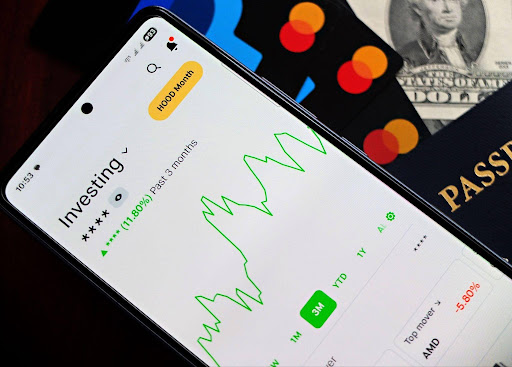
Once everyday finances feel manageable, longer-term goals come into the picture. Pensions, savings and investing can help build future security, yet this is also where financial confidence should be kept in check.
The UK regulatory landscape has been trying to address this problem. The targeted support regime of the Financial Conduct Authority came into effect in 2026, allowing authorised firms to make suggestions designed for groups of consumers with similar circumstances. The FCA says the change should help more people make informed decisions about pensions and investments.
Being informed and feeling confident are different. It is important to understand why an investment product is suitable for you and how to use it. Alongside stocks, ETFs, and bonds, there are complex investment products like derivatives and spread betting.
Spread betting, for example, uses leverage, meaning relatively small market movements can create much larger gains or losses in contrast to the safer long-term methods like bonds. The important part is not putting all eggs in one basket and using financial literacy to create the right investment strategy.
Social Media Has Raised the Stakes for Financial Literacy
The days when questionable financial advice arrived through unsolicited phone calls and dubious seminar invitations are over. Now it can appear between a pasta recipe and a holiday reel.
Social media has made financial information easier to access, which is both a blessing and a curse. It is now much harder to see the distinction between education, entertainment and advertising.
To combat this, the FCA targets illegal financial influencers whose promotions could put consumers’ money at risk, collaborating with 17 regulators around the world.
But this is not enough. As a responsible consumer, it is important to check the company or the person behind the information. Are they regulated where they are based? Are they explaining the downside as objectively as the potential upside? Is the goal educating the audience or trying to sell a product? Those questions are part of basic financial self-care.
Employers Are Beginning to Take Action
Research published by WEALTH at work in March 2026 found that 45% of employees felt unsupported by their employer when it came to their finances. That is a significant problem for businesses that invest heavily in workplace wellbeing through mental health resources and flexible working policies.
Of course, these are all valuable. But they will not necessarily solve the problem for an employee who is struggling with household bills or has no savings to cover an emergency.
This is why the Money and Pensions Service encourages employers to include financial wellbeing in their support programmes. Giving people access to reliable information and helping them understand workplace benefits may be a sensible place to start.

The Real Luxury Is Having Options
You may never describe checking your direct debits as self-care. Few people would. Your bank balance should not become a scorecard for how successfully you are living. But the more financial stability you have, the less your decisions will be dominated by money. This is why financial confidence belongs in the modern wellbeing conversation.
Understanding your money gives you more control over your choices, more resilience when life goes wrong and more room to enjoy it when things go right.