
































Written/Reviewed by Lifestyle Journal Editorial Team · Last updated: August 2026
Editorial disclosure: We selected these venues through independent editorial research using official menus, location information and publicly available customer feedback. No hands-on tasting was conducted. This article contains no affiliate, sponsored or promotional links, and no commercial or personal relationship influenced the selections.
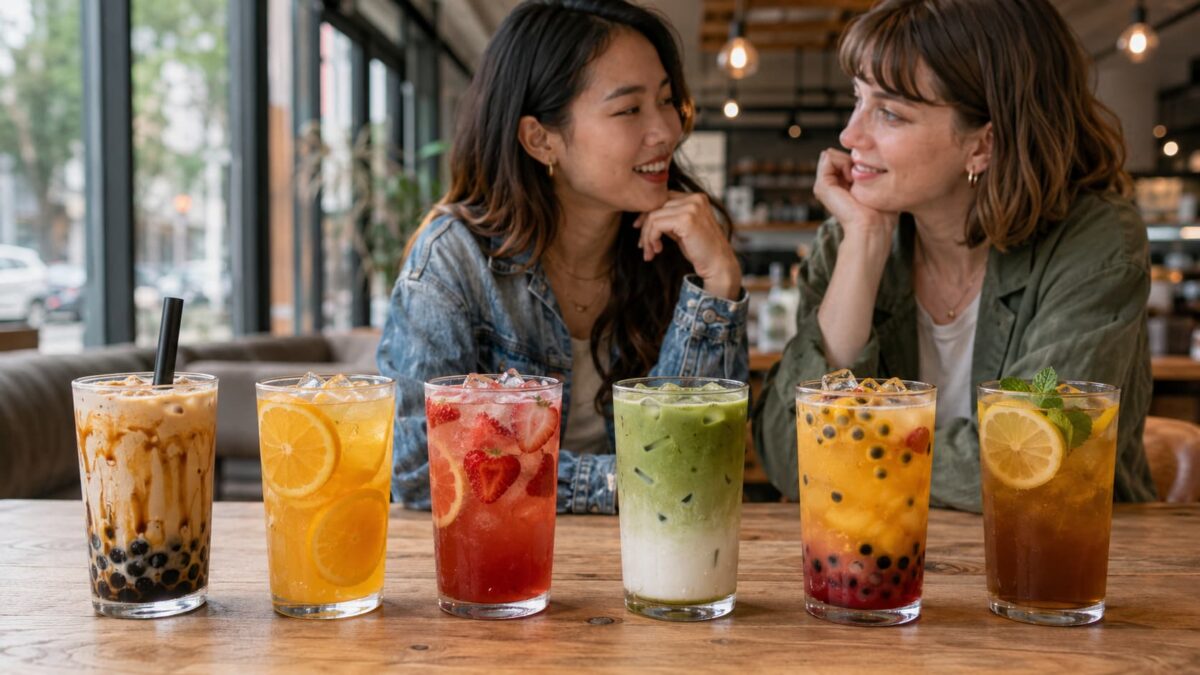
Britain’s cold-tea scene now stretches well beyond standard bottled iced tea. These six names show how Taiwanese fruit recipes, freshly cooked pearls, loose-leaf infusions, customisable toppings and British-inspired blends are turning the traditional cuppa into something more colourful, social and adventurous.
At a Glance
| Spot | Best for | Location | Standout feature |
|---|---|---|---|
| CUPP | Fresh-fruit bubble tea | Locations across the UK | Fresh fruit purées, loose-leaf tea and house-made syrups |
| YiFang Taiwan Fruit Tea | Taiwanese fruit tea | London and selected English cities | Signature fruit tea inspired by a family pineapple recipe |
| Xing Fu Tang | Brown-sugar boba | London, Birmingham, Glasgow and Cambridge | Freshly prepared brown sugar and visually distinctive drinks |
| Bird & Blend Tea Co. | British-style iced loose-leaf tea | Multiple UK cities | Creative loose-leaf blends served as iced teas and tea lattes |
| Gong cha | Tea-led customisation | UK branches, including Bristol and Norwich | Choice of tea bases, sweetness, ice and toppings |
| Bubbleology | Mix-and-match bubble tea | London and several major UK cities | Extensive flavour customisation and plant-based milk choices |
How We Selected These Spots
The six selections were assessed for drink distinctiveness, tea and ingredient quality, menu variety, innovation, geographical availability and relevance to Britain’s changing cold-tea culture. Official menus and store information were considered alongside publicly available customer feedback. Selections are based on published information, publicly available menus, location information and customer feedback rather than independent hands-on tasting. The order is editorial and should not be interpreted as a strict ranking.
1. CUPP — Best for fresh ingredients and nationwide accessibility
Founded in Bristol, CUPP has grown into a widely accessible UK bubble-tea brand, with branches listed across London, Scotland, Wales, Northern Ireland, the Midlands and other English regions. It is included because its approach places more emphasis on recognisable tea-shop ingredients than many highly processed grab-and-go alternatives.
The company says it uses loose-leaf tea, fresh fruit, fresh fruit purée, organic milk and house-made syrups. Its menu changes with the seasons, helping it move beyond a fixed selection of milk tea, taro and fruit syrup combinations. That makes CUPP particularly suitable for customers who want modern boba while still paying attention to the underlying tea and fruit flavours.
Its extensive regional presence differentiates it from smaller London-centred specialists. However, menus, opening times and individual drink availability can differ between branches. Customers with allergies should consult CUPP’s current allergen matrix and speak to staff before ordering rather than assuming that a fruit tea or milk alternative is automatically suitable.
2. YiFang Taiwan Fruit Tea — Best for fruit-led Taiwanese flavours
YiFang is a Taiwanese tea brand centred on fruit teas rather than treating them as a secondary part of a milk-tea menu. Its signature YiFang Fruit Tea combines tea with seasonal fruits, while the wider menu includes preparations involving mango, lemon, winter melon, peach, grapefruit, lychee and sugar cane.
The brand’s identity is linked to a family recipe in which ripe pineapple was preserved as a homemade jam and used to flavour tea. That connection between fruit preservation and tea preparation gives YiFang a more culinary character than chains focused primarily on toppings. UK locations have included branches in London, Manchester, Birmingham and Oxford, although readers should verify their nearest shop through current local listings.
YiFang is best suited to people who find creamy bubble tea too rich or want the tea and fruit to remain noticeable. Tapioca and milk-based choices are still available, but fruit tea is the main attraction. Seasonal ingredients and branch-specific menus mean that a particular combination may not be offered everywhere.
3. Xing Fu Tang — Best for freshly prepared brown-sugar boba
Xing Fu Tang is the most specialised brown-sugar choice in this guide. The Taiwanese brand is known for preparing brown sugar in-store and making the cooking process part of the drink’s presentation. Its UK website lists shops in London, Birmingham, Glasgow and Cambridge, giving it a presence beyond the capital without becoming a broadly distributed high-street chain.
The official menu covers brown-sugar boba milk, matcha boba milk, red bean and taro combinations, jasmine tea, Earl Grey milk tea and fruit-led choices such as lemon green tea and grapefruit green tea. This breadth makes it suitable for adventurous customers, but its caramelised milk drinks remain the clearest reason to visit.
Current website prices generally sit around £4.50–£5.75, although the company states that prices can vary by branch. Readers avoiding dairy should check individual ingredients carefully, particularly in milk drinks, panna cotta additions and creamy toppings. The preparation style is visually engaging, but the richer brown-sugar recipes may not suit someone seeking a light, tea-forward drink.
4. Bird & Blend Tea Co. — Best for imaginative British iced tea
Bird & Blend is the outlier on this list because it is not primarily a bubble-tea chain. The Brighton-founded company creates loose-leaf blends and serves teas, iced teas and tea lattes at shops in cities including Bath, Birmingham, Brighton, Bristol, Cardiff, Glasgow, London and Norwich.
Its inclusion shows another way Britain’s favourite drink is changing. Instead of adding tapioca pearls to a standard tea base, Bird & Blend reworks loose-leaf blends into chilled café drinks. Examples published by the company include Strawberry Lemonade Iced Tea, Unicorn Fizz, iced vanilla matcha latte, iced matcha lemonade and Earl Grey crème iced latte. Its shops also carry blends with distinctly British references, including Great British Cuppa.
This is the strongest choice for loose-leaf tea drinkers who want an inventive cold drink without necessarily ordering boba. The broad tea wall and workshop-led atmosphere also make it more of a browsing destination. Iced menus can be seasonal, however, so readers seeking one particular preparation should check with the chosen shop before travelling.
5. Gong cha — Best for tea-base and sweetness customisation
Gong cha is an international Taiwanese bubble-tea brand with a growing UK presence. Its approach begins with the tea itself: the company lists black, green, oolong and Earl Grey bases and says its premium teas are sourced from Taiwan, Vietnam and Sri Lanka.
Customers can then select a hot or cold preparation, adjust the ice and sweetness level, and add pearls, milk foam, pudding or jelly. This structured customisation makes Gong cha a useful choice for people who dislike the default sweetness of many bubble teas or who want to compare how different tea bases work with the same topping. Fruit teas, milk teas, smoothies and simpler brewed teas broaden its appeal.
The brand’s tea-led format differentiates it from Xing Fu Tang’s brown-sugar focus and Bubbleology’s flavour-mixing approach. UK availability is developing, with branches promoted in cities including Bristol and Norwich; readers should use the official store finder for the latest locations. Toppings and milk foams can change a drink’s allergen and dietary profile, so those requirements should be checked before ordering.
6. Bubbleology — Best for playful flavour combinations
Bubbleology helped bring the modern bubble-tea bar format into the British mainstream and continues to emphasise made-to-order drinks. Its menu spans milk teas, fruit teas, specials and sparkling Bubble Fizz drinks, with customers encouraged to mix flavours, adjust sweetness and choose their preferred toppings.
The brand offers organic whole, oat and soya milk alongside its standard creamer, making the ordering process more flexible. Its UK location information references branches in and around London as well as cities and shopping destinations including Birmingham, Manchester, Bristol, Edinburgh and Milton Keynes. This combination of visibility and customisation makes it a convenient introduction for customers who want to experiment without committing to a traditional pearl milk tea.
Its playful “tea mixology” approach is what separates it from the more tea-centred Gong cha and fruit-focused YiFang. Customers avoiding dairy need to be careful: Bubbleology advises that some milk-based drinks may retain dairy derivatives even when oat or soya milk is selected. The current allergen information should therefore be checked for each order.
Frequently Asked Questions
What is the difference between bubble tea and iced tea?
Iced tea is a broad category covering tea that is brewed and served cold, sometimes with fruit, milk, lemonade, herbs or sweetener. It does not need to contain any toppings.
Bubble tea usually refers to Taiwanese-style tea drinks served with chewy tapioca pearls or other additions such as popping boba, grass jelly, pudding or coconut jelly. Despite the name, the “bubbles” can also refer to the foam created when the drink is shaken. Bubble tea may be milk-based, fruit-based or made from plain brewed tea, so not every version is creamy.
Which UK cities have the strongest bubble-tea selection?
London has the greatest visible concentration of specialist Taiwanese and international bubble-tea brands, particularly around Chinatown, Soho, university districts and major shopping centres. Manchester, Birmingham and Glasgow also have several established operators, while Bristol, Cardiff, Edinburgh, Cambridge, Oxford, Norwich and Belfast have increasingly varied choices.
A large chain presence does not necessarily indicate the best local menu. Smaller independent cafés may offer distinctive drinks but can be harder to verify consistently. Readers should check recent menus, trading information and customer feedback before making a special journey.
Can bubble tea be made without dairy?
Many fruit teas are prepared without milk, while several chains offer oat or soya alternatives for milk tea. However, selecting plant-based milk does not always make the complete drink dairy-free. Creamers, milk foam, condensed milk, puddings, powders and other toppings may contain milk derivatives.
Anyone avoiding dairy because of an allergy should use the venue’s current allergen guide and speak directly with staff. Cross-contact may also occur in shops where dairy and non-dairy ingredients are prepared using shared equipment.
Can customers reduce the sweetness of bubble tea?
Many specialist shops allow customers to choose a sweetness level, commonly ranging from the standard recipe to reduced or zero added sugar. Gong cha, Bubbleology and several other operators specifically advertise sweetness customisation.
However, reducing added syrup does not necessarily remove all sugar. Tapioca pearls may be cooked in brown sugar, fruit preparations can contain naturally occurring or added sugars, and toppings such as popping boba, pudding or milk foam may already be sweetened. For a lighter drink, start with brewed or fruit tea, request less sweetness and choose toppings selectively.
Disclaimer: Venue locations, menus, prices, ingredients, dietary options and opening hours can change. Check the venue’s official website and current allergen information before visiting or ordering, especially when managing food allergies or intolerances.