

































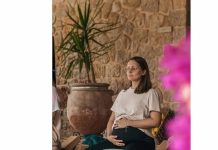
Gemma Longworth’s story goes far beyond a workshop bench, but viewers are most familiar with her as the intelligent, practical, hands-on upcycler from Find It, Fix It, Flog It. Her career has expanded from textiles, grief support, hospital workshops, and her conviction that creating something by hand may help people feel more like themselves again. She is an artist, furniture restorer, presenter, author, and creative wellbeing practitioner located in Liverpool. Her work is situated between the worlds of emotional mending and salvaged furniture, two domains that hardly ever come together.
Because they have seen Gemma Longworth on television and are curious about her life outside of the show, readers typically look for her. A TV biography is not as interesting as the more comprehensive response. Upcycling and interior design helped Longworth gain public recognition, but her artistic identity was forged by community workshops, formal art instruction, family grief, and a long-standing dedication to using craft as a tool for healing, remembrance, and self-assurance.
Early Life and Family Background
Gemma Longworth was born and raised in Liverpool, England, a city that has remained at the heart of both her personal life and creative career. Rather than moving into the arts through television, she spent years developing her skills within Liverpool’s thriving creative community. From local workshops and community projects to professional design work, her connection to the city has played an important role in shaping the artist she is today.
One of the defining moments of Longworth’s early life was the loss of her younger brother. She has openly spoken about how this heartbreaking experience changed her outlook and introduced her to art as a form of healing. Drawing became more than a hobby. It offered a safe way to express emotions that were difficult to explain in words. Inspired by her brother’s own love of drawing, she found comfort in creating artwork that honoured his memory, an experience that later influenced the direction of her entire career.
Creativity also formed part of her upbringing. Longworth has credited members of her family with encouraging hands-on crafts such as knitting, drawing, and sewing from an early age. These experiences gave her an appreciation for handmade work long before she studied art professionally. Instead of becoming interested in craft later in life, she grew up surrounded by practical creativity, which naturally developed into a lifelong passion.
Education and Creative Development
Longworth’s education reflected her commitment to the arts from an early stage. After finishing school, she enrolled at the City of Liverpool College, where she explored a broad range of artistic disciplines, including design, illustration, and textiles. The variety of subjects helped her develop a versatile creative skill set that would later allow her to move comfortably between furniture restoration, painting, interior styling, and community art projects.
Determined to deepen her knowledge, she continued her studies in Drawing and Applied Arts before completing postgraduate work focused on textiles. Throughout her education, she refined both the technical and creative aspects of her work while learning how different artistic methods could communicate emotion and tell personal stories.
Alongside her artistic training, Longworth became increasingly interested in the therapeutic benefits of creativity. She explored how art could support emotional wellbeing and help individuals cope with grief, anxiety, and other difficult life experiences. This growing interest would eventually become one of the most distinctive features of her professional career, influencing much of her later work in hospitals, community organisations, and wellbeing programmes.
Finding Purpose Through Art
For Gemma Longworth, creativity has never been solely about producing beautiful objects. From the beginning, her work has been rooted in the belief that making something with your hands can provide comfort, build confidence, and encourage emotional healing.
This philosophy began to take shape during her studies and early professional experiences, where she saw first-hand how creative activities could help people process complex emotions. Rather than viewing art simply as decoration or entertainment, she came to see it as a practical tool for communication, self-expression, and recovery.
That perspective continues to define her work today. Whether she is restoring furniture, leading a workshop, or writing about creativity, Longworth consistently promotes the idea that art has the power to reconnect people with themselves during challenging periods of life.
Supporting Families Through Creative Workshops
As her career developed, Longworth became involved in creative projects supporting children and families experiencing bereavement. Much of this work was connected with Alder Hey Children’s Hospital in Liverpool, where she helped deliver art-based activities designed to encourage emotional expression.
These workshops were never intended to replace professional counselling or medical support. Instead, they provided participants with a creative outlet when speaking openly about grief felt overwhelming. Through painting, drawing, textiles, and other hands-on activities, children were able to communicate feelings that often proved difficult to express verbally.
This experience reinforced Longworth’s belief that creativity can offer meaningful support during life’s most difficult moments. It also established the foundation for the wellbeing-focused approach that continues to influence her television work, community projects, and published writing.
Building Skills Beyond the Classroom
Before becoming a familiar face on television, Longworth spent years developing practical experience as an artist, workshop leader, and creative educator. She worked with people of different ages and abilities, helping beginners discover confidence through hands-on projects while continuing to expand her own artistic practice.
These early years taught her that creativity should feel accessible rather than intimidating. Instead of focusing solely on technical perfection, she encouraged people to experiment, enjoy the process, and learn through making. That welcoming approach would later become one of the qualities audiences appreciated most when she appeared on television.
By combining formal education, personal experience, and community engagement, Gemma Longworth built a strong foundation that prepared her for the diverse career that followed. Her journey demonstrates how artistic skill, emotional resilience, and a desire to help others can come together to create work that is both practical and deeply meaningful.
Launching The Button Boutique
Before gaining national recognition on television, Gemma Longworth built her reputation through her own creative business, The Button Boutique. Rather than waiting for the perfect opportunity in the arts, she decided to create one herself. The business reflected her passion for handmade crafts, vintage-inspired design, upcycled furniture, and creative workshops.
The Button Boutique quickly became more than a place to sell handmade products. It evolved into a welcoming creative space where people could learn new skills, explore their artistic side, and gain confidence through practical making. Longworth organised workshops, produced bespoke home décor, and encouraged customers to experiment with craft projects they might never have tried on their own.
Running her own business also strengthened her entrepreneurial skills. Alongside designing and creating products, she managed clients, planned events, delivered classes, and built relationships within Liverpool’s creative community. These experiences provided valuable real-world knowledge that complemented her formal education.
More importantly, the business demonstrated that creativity could become a sustainable career. By combining artistic talent with practical business sense, Longworth showed that handmade craftsmanship still had an important place in the modern creative economy.
From Local Artist to Television Personality
Although Gemma Longworth had spent years working as an artist and workshop leader, television introduced her work to a much wider audience. Her practical skills, approachable personality, and eye for design eventually led to opportunities in broadcast media, where she could share her passion for restoration and sustainable living with viewers across the UK.
Unlike many television presenters who enter the industry through journalism or entertainment, Longworth arrived with extensive hands-on experience. She had already restored furniture, taught creative workshops, and worked on community projects long before cameras followed her work. That practical background helped make her television appearances feel genuine and relatable.
Audiences appreciated that she approached every project as a working craftsperson rather than simply presenting the finished result. Her enthusiasm for restoration came across naturally because it reflected years of professional experience rather than a role created specifically for television.
Success on Find It, Fix It, Flog It
Gemma Longworth became widely recognised after joining the popular restoration series Find It, Fix It, Flog It. The programme follows experts as they rescue neglected furniture and forgotten household items, transforming them into attractive pieces with renewed value before selling them.
Working alongside experienced presenters and restoration specialists, Longworth quickly established herself as one of the show’s most recognisable creative experts. Her role focused on giving worn or outdated furniture a completely new look while preserving its character and craftsmanship.
Throughout the series, viewers watched her tackle a wide variety of restoration challenges. Old wardrobes, cabinets, chairs, side tables, and decorative pieces were carefully repaired, repainted, and redesigned using thoughtful colour palettes and creative finishing techniques. Each transformation highlighted her ability to recognise potential in items that many people would simply throw away.
Her calm teaching style also became one of her greatest strengths. Rather than making restoration appear intimidating, she explained each step in an accessible way, encouraging viewers to attempt their own upcycling projects at home.
A Creative Approach to Upcycling
Longworth’s design style combines practicality with imagination. She enjoys breathing new life into old furniture while respecting its original craftsmanship, often blending contemporary colours with classic materials to create unique statement pieces.
Instead of treating upcycling as a quick cosmetic makeover, she focuses on careful preparation. Cleaning, repairing structural damage, sanding surfaces, applying suitable primers, and selecting durable finishes are all essential parts of her process. This attention to detail ensures that restored furniture is not only visually appealing but also built to last.
Her projects frequently demonstrate that quality furniture deserves a second chance. Rather than replacing solid wooden pieces with mass-produced alternatives, she encourages thoughtful restoration that preserves materials while reducing unnecessary waste.
Promoting Sustainable Design
Sustainability has become one of the defining themes of Longworth’s work. Through television and public workshops, she has consistently promoted the idea that restoring existing furniture is often more environmentally responsible than buying new replacements.
Her approach reflects the growing popularity of the circular economy, where repairing, reusing, and repurposing materials helps reduce landfill waste and extends the life of well-made products. Instead of viewing damaged furniture as rubbish, she encourages people to recognise its hidden potential.
Longworth also emphasises that successful upcycling requires patience and planning. While television programmes naturally compress lengthy restoration processes into short episodes, she often reminds audiences that achieving professional results involves time, preparation, and attention to detail.
Restoring Liverpool’s Sir Thomas Hotel
One of Gemma Longworth’s most notable commercial projects was her involvement in refurbishing Liverpool’s historic Sir Thomas Hotel. The project allowed her to apply her restoration skills on a much larger scale than typical home makeovers seen on television.
Rather than replacing existing furnishings, the refurbishment focused on revitalising high-quality furniture that still had years of life remaining. Longworth worked on wardrobes, bedside cabinets, dressing tables, headboards, seating, and other bedroom furniture, transforming each piece while maintaining a consistent design throughout the hotel.
The project highlighted the commercial value of sustainable restoration. Hospitality businesses require interiors that are both attractive and durable, and Longworth demonstrated that thoughtful upcycling could achieve both objectives without unnecessary waste.
Her work on the hotel also strengthened her reputation beyond television, proving she could successfully manage large-scale interior refurbishment projects while maintaining the creativity and craftsmanship that had become her trademark.
Establishing a Trusted Reputation
By the time viewers recognised Gemma Longworth from Find It, Fix It, Flog It, she had already built years of professional experience as an artist, educator, furniture restorer, and business owner. Television expanded her audience, but it did not define her expertise.
Today, she is widely respected for combining artistic creativity with practical craftsmanship. Her work demonstrates that restoration is about more than improving appearance. It is about preserving quality, reducing waste, celebrating handmade skills, and helping people see value in objects that might otherwise be overlooked.
This authentic approach continues to distinguish Longworth within Britain’s growing community of designers, upcyclers, and creative educators.
Hidden Gems and a New Creative Mission
As Gemma Longworth’s career evolved, her focus expanded beyond furniture restoration and television. Drawing on years of experience in art, community projects, and wellbeing initiatives, she launched Hidden Gems, a creative programme centred on the idea that making something by hand can have a positive impact on emotional wellbeing.
Hidden Gems brings together many of the themes that have shaped Longworth’s career, including art, upcycling, creativity, and personal growth. Through workshops and group sessions, participants are encouraged to explore practical crafts in a welcoming environment while building confidence, reducing stress, and connecting with others.
Unlike traditional art classes that concentrate on technique alone, Hidden Gems places equal importance on the creative process. Participants are invited to experiment, learn new skills, and enjoy the experience of making without worrying about perfection. This relaxed approach makes the sessions accessible to people of all ages and abilities, including those with little or no artistic background.
Creativity as a Tool for Wellbeing
Throughout her career, Longworth has consistently promoted the idea that creativity can support emotional wellbeing. Her belief is based not only on professional experience but also on her own personal journey through grief and healing.
She often explains that creative activities encourage people to slow down, focus on the present moment, and express emotions that may otherwise remain difficult to communicate. Painting, sewing, drawing, and restoring furniture can all become mindful activities that provide a welcome break from the pressures of daily life.
While creative projects are never presented as a replacement for professional healthcare or therapy, Longworth believes they can offer valuable support alongside traditional treatment. For many people, spending time making something with their hands can reduce stress, improve confidence, and create a sense of achievement during challenging periods.
This philosophy has become one of the defining features of her public work, distinguishing her from many television personalities whose focus remains solely on design or home improvement.
Supporting Communities Through Art
Hidden Gems also reflects Longworth’s long-standing commitment to community engagement. Over the years, she has worked with schools, charities, healthcare organisations, and local groups to deliver creative activities designed to bring people together.
Many of these projects have supported individuals experiencing bereavement, loneliness, or major life changes. Rather than focusing on artistic ability, the sessions encourage participants to enjoy creativity as a shared experience that promotes conversation, confidence, and connection.
This community-centred approach has become increasingly relevant as awareness grows around creative health and social prescribing across the UK. Many organisations now recognise that activities such as art, music, and craft can play an important role in improving wellbeing by reducing isolation and helping people build supportive social networks.
Longworth’s work naturally aligns with these developments, combining practical creativity with compassion and accessibility.
The Meaning Behind Hidden Gems
The name Hidden Gems reflects more than simply discovering forgotten objects. It also represents Longworth’s belief that every person possesses creativity and potential, even if they have not yet recognised it themselves.
Just as an old piece of furniture can be restored instead of discarded, she believes people can rediscover confidence through creative experiences. This connection between restoring objects and encouraging personal growth has become one of the most recognisable themes throughout her career.
Whether she is transforming an antique cabinet or guiding someone through their first craft project, the underlying message remains remarkably consistent. Value is not always immediately visible, and with patience, care, and imagination, both people and objects can be given a fresh start.
Publishing Craft Your Cure
In 2025, Gemma Longworth expanded her work into publishing with the release of Craft Your Cure: 25 Craft and Upcycling Projects to Heal and Bring Joy. The book combines practical projects with the personal experiences that have shaped her creative philosophy, offering readers both inspiration and hands-on guidance.
Rather than producing a conventional DIY manual, Longworth uses the book to explore the emotional side of creativity. Alongside step-by-step projects, she shares insights into how making, restoring, and creating can encourage reflection, reduce stress, and help people navigate difficult periods of life.
The projects include a variety of crafts, decorative ideas, and upcycling techniques suitable for different experience levels. Readers are encouraged to work at their own pace while enjoying the process instead of focusing solely on the finished result.
This combination of practical instruction and personal storytelling gives the book a distinctive voice that reflects Longworth’s wider approach to creativity.
Expanding Her Public Profile
Publishing Craft Your Cure marked an important milestone in Longworth’s career. Although she had already become familiar to television audiences through her restoration work, the book introduced her to readers interested in creativity, well-being, and personal development.
It also allowed her to explain the deeper motivations behind her work. Many viewers knew her as the upcycling expert who transformed tired furniture into attractive home pieces. Through her writing, they discovered the personal experiences that inspired her belief in creativity as a source of comfort and resilience.
As an author, she has become part of a wider conversation about mindful living, sustainable creativity, and emotional wellbeing. Her work resonates with readers looking for meaningful ways to slow down, reconnect with themselves, and develop new creative habits.
Creativity with Lasting Purpose
One of the most distinctive aspects of Gemma Longworth’s career is the consistency of her message. Whether working on a television makeover, leading a community workshop, restoring vintage furniture, or writing a book, she returns to the same central belief: creativity has the power to improve lives.
Her projects encourage people to see possibilities where others see limitations. A damaged chair can become a treasured family piece, just as someone lacking confidence can discover new abilities through making and learning.
This outlook has helped establish Longworth as more than an upcycling expert. She has become a creative advocate who demonstrates how art, craftsmanship, and community can work together to promote wellbeing, sustainability, and personal growth.
Today, Hidden Gems and Craft Your Cure represent the natural continuation of everything she has built throughout her career, combining creativity, compassion, and practical skills into a lasting and meaningful body of work.
Personal Life and Family
Although Gemma Longworth is well known through television and her creative work, she has generally kept her personal life out of the public eye. Rather than sharing every aspect of her private world, she has chosen to let her projects and professional achievements take centre stage.
The most personal story she has discussed publicly is the loss of her younger brother. Longworth has explained that this life-changing experience inspired her to explore art as a way of processing grief. His love of drawing encouraged her to embrace creativity during one of the most difficult periods of her life, ultimately shaping the direction of her career.
That experience continues to influence her work today. Whether she is restoring furniture, leading workshops, or writing about creativity, themes of memory, resilience, and healing often appear throughout her projects.
Is Gemma Longworth married?
Many viewers are curious about Gemma Longworth’s relationship status, but there is very little verified public information available.
She has not publicly confirmed that she is married, nor has she regularly spoken about a husband or long-term partner in interviews or on her social media platforms. Most reliable sources focus on her professional achievements, including her television career, community work, upcycling projects, and creative wellbeing initiatives.
Until Longworth chooses to discuss her personal relationships herself, it is more accurate to say that her marital status has not been publicly confirmed.
Does Gemma Longworth Have Children?
Similarly, there is no reliable evidence confirming that Gemma Longworth has children.
From time to time, unverified celebrity biography websites publish speculative information about public figures, but these claims should be treated with caution unless supported by trustworthy sources or confirmed directly by the individual concerned.
Longworth’s public profile remains centred on her work as an artist, presenter, author, and creative educator rather than her private family life.
Income Sources and Estimated Net Worth
Gemma Longworth’s exact net worth has never been officially disclosed. While various websites publish estimated figures, none are supported by verified financial records or public statements, making it impossible to confirm an accurate amount.
What is clear is that she has built a successful career through several complementary income streams rather than relying on a single profession.
Her work includes:
- Television appearances and broadcasting
- Furniture restoration and upcycling projects
- Interior design and commercial refurbishments
- Creative workshops and public speaking
- Book sales and publishing
- Community wellbeing programmes
- Partnerships with organisations and creative initiatives
This diverse career reflects the modern creative economy, where professionals often combine multiple areas of expertise to build sustainable businesses over time.
Instead of focusing on an unverified financial estimate, Longworth’s success is better measured by the breadth of her work and the reputation she has established across television, design, education, and community projects.
Public Image
Gemma Longworth has earned a reputation for being approachable, knowledgeable, and genuinely passionate about creativity. Viewers appreciate that her television appearances feel authentic rather than overly polished or scripted.
Her calm teaching style makes restoration accessible to beginners, while her enthusiasm encourages people to see possibilities in items they might otherwise discard. Rather than promoting expensive renovations, she demonstrates that imagination and practical skills can often transform existing furniture into something unique.
She is also respected for speaking openly about the emotional benefits of creativity without making unrealistic claims. Her balanced approach has helped her build trust among audiences interested in both sustainable design and personal wellbeing.
Another defining aspect of her public identity is her strong connection to Liverpool. The city continues to influence her creative work, business activities, and community involvement, reinforcing the local roots that have remained central throughout her career.
Where Is Gemma Longworth Now?
Today, Gemma Longworth continues to balance several creative roles, combining television, writing, furniture restoration, design, and wellbeing initiatives.
She remains closely associated with Find It, Fix It, Flog It, where audiences continue to enjoy her imaginative furniture transformations and practical restoration advice. Alongside her television work, she leads creative workshops, supports community wellbeing projects, and promotes sustainable living through upcycling.
Her book, Craft Your Cure, has also expanded her influence beyond television, introducing readers to the deeper philosophy behind her work and highlighting the positive role creativity can play in everyday life.
As public interest in sustainable design, repair culture, and creative wellbeing continues to grow, Longworth remains well positioned to inspire both experienced makers and complete beginners.
Frequently Asked Questions
Who is Gemma Longworth?
Gemma Longworth is a British artist, furniture upcycler, television presenter, author, and creative wellbeing advocate based in Liverpool. She is best known for appearing on Find It, Fix It, Flog It, where she restores and transforms unwanted furniture into stylish, practical pieces.
What is Gemma Longworth famous for?
She gained national recognition through Find It, Fix It, Flog It. Alongside her television career, she is known for promoting sustainable upcycling, delivering creative workshops, and writing Craft Your Cure, a book exploring the connection between creativity and emotional wellbeing.
Where is Gemma Longworth from?
Gemma Longworth was born and raised in Liverpool, England. The city has remained central to her career, inspiring many of her creative projects, community initiatives, and professional collaborations.
Is Gemma Longworth married?
There is no publicly verified information confirming that Gemma Longworth is married. She keeps her private life largely out of the spotlight, choosing instead to focus public attention on her creative work and professional achievements.
Does Gemma Longworth have children?
No reliable public sources confirm that Gemma Longworth has children. Unless she chooses to share personal family information herself, any claims circulating online should be treated as unverified.
What book has Gemma Longworth written?
Gemma Longworth is the author of Craft Your Cure: 25 Craft and Upcycling Projects to Heal and Bring Joy. The book combines practical creative projects with her belief that making things by hand can support emotional wellbeing and personal growth.
What is Gemma Longworth’s net worth?
Her exact net worth has not been publicly confirmed. Although online estimates exist, none have been verified. Her income comes from a combination of television work, upcycling, interior design, creative workshops, publishing, and community projects.
Conclusion
Gemma Longworth’s career demonstrates how creativity can extend far beyond decoration or entertainment. Over the years, she has successfully combined artistic talent, practical craftsmanship, television presenting, education, and community engagement to build a career with lasting purpose.
While many people first discovered her through Find It, Fix It, Flog It, her work reaches much further than furniture restoration. Through creative workshops, wellbeing initiatives, commercial design projects, and her book Craft Your Cure, she continues to encourage people to embrace creativity as a source of confidence, sustainability, and personal expression.
Her story also highlights the value of resilience. Personal loss inspired her to pursue a creative path that now helps others find comfort, connection, and inspiration through making. That combination of skill, compassion, and authenticity has become the hallmark of her work.
As interest in upcycling, mindful living, and sustainable design continues to grow, Gemma Longworth remains one of the UK’s most recognisable advocates for creative living. Whether restoring forgotten furniture or encouraging someone to pick up a paintbrush for the first time, her message remains simple yet powerful: with care, imagination, and patience, both objects and people can be transformed.