


































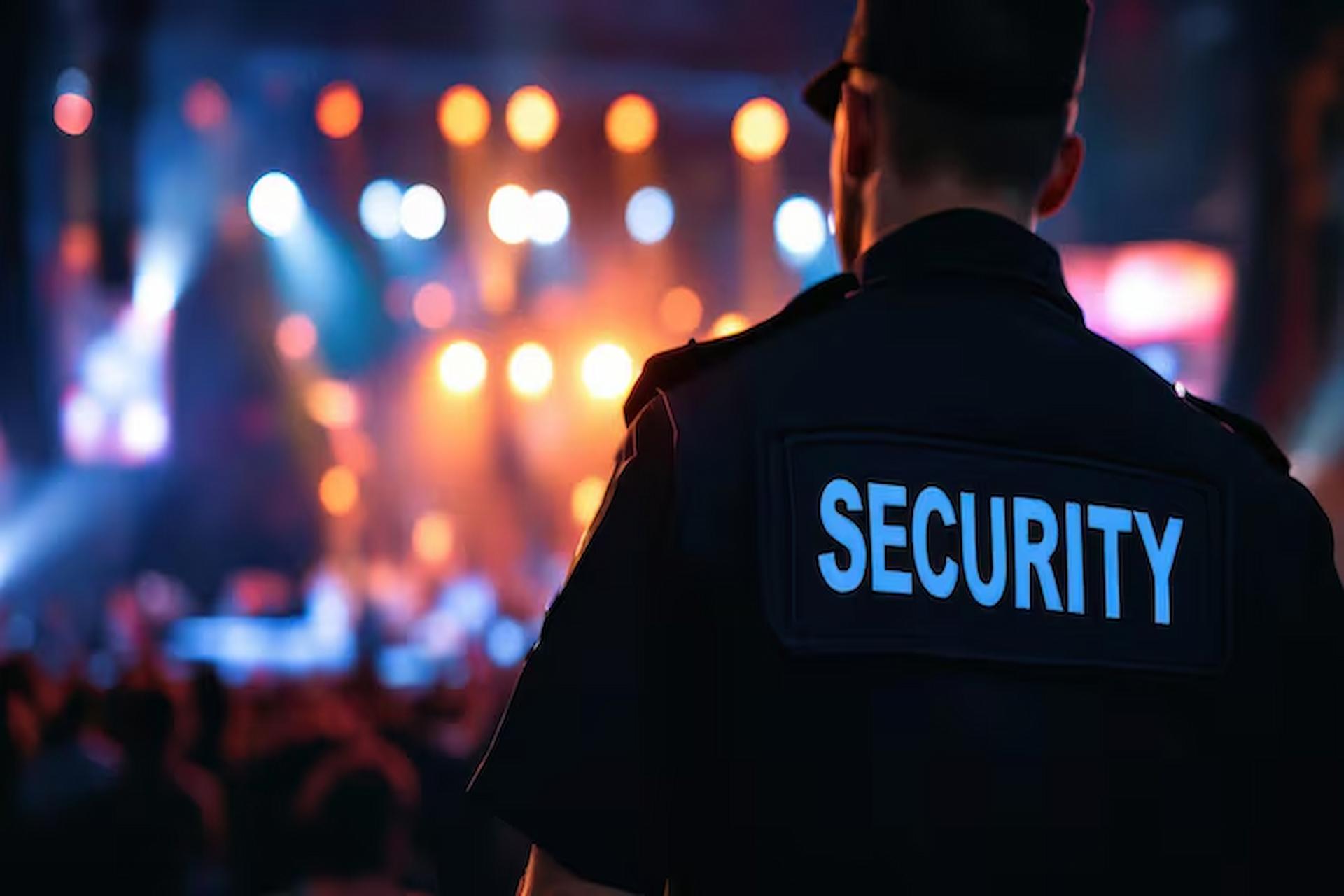
Large events require careful planning to ensure guests, staff, performers, vendors, and organisers remain safe throughout the occasion. Whether hosting a corporate conference, music festival, sporting fixture, charity fundraiser, or community celebration, security preparation plays a vital role in successful event management. Even the most experienced security personnel need a clear briefing before the event begins. A structured briefing helps establish expectations, clarify responsibilities, improve communication, and reduce the likelihood of confusion during critical situations.
Overview
Professional event organisers often invest in private security for events because trained personnel can manage crowd control, access points, emergency procedures, and incident response effectively. However, hiring a capable team is only part of the process. A comprehensive briefing ensures every member understands the event’s objectives, site layout, risk profile, and operational procedures before attendees arrive.
Why Security Briefings Matter
A pre-event briefing serves as the foundation for coordinated security operations. It provides an opportunity to communicate important information, answer questions, and ensure consistency across the team.
Without proper instruction, security officers may respond differently to similar situations, creating gaps in protection or unnecessary delays. A well-delivered briefing encourages confidence, accountability, and professionalism while helping teams work together more efficiently.
Clear communication also supports compliance with event safety regulations and risk management requirements, both of which are essential for large gatherings.
Define the Event Objectives
Before discussing operational details, explain the purpose and nature of the event.
Security personnel should understand:
- Event type and audience profile
- Expected attendance numbers
- VIP guests or performers
- Operating hours
- Event schedule and key activities
- Potential security concerns
Providing context helps officers assess situations appropriately and make informed decisions throughout the event.
Understanding the broader objectives allows the team to align security efforts with the event’s overall goals while maintaining a positive visitor experience.
Review the Venue Layout
Every security officer should be familiar with the venue before attendees arrive.
Areas to Highlight
Discuss important locations such as:
- Main entrances and exits
- Emergency evacuation routes
- First aid stations
- Restricted access zones
- Control rooms
- Parking areas
- Staff-only sections
- High-traffic gathering points
Visual aids such as site maps can significantly improve understanding. Walking key personnel through the venue before opening often strengthens situational awareness and preparedness.
Assign Roles and Responsibilities
A successful operation depends on clear accountability.
When coordinating private security for events, every officer should know exactly where they are positioned, who they report to, and what duties they are expected to perform. Ambiguity can create confusion during busy periods or emergencies.
Typical Security Assignments
Responsibilities may include:
- Access control
- Ticket verification
- Crowd monitoring
- Perimeter patrols
- Vehicle management
- VIP protection
- Emergency response coordination
- Incident reporting
Clearly defining roles reduces duplication of effort and ensures all critical areas receive adequate coverage.
Discuss Risk Assessments and Threats
Every event carries a unique set of risks. The briefing should include a review of identified threats and mitigation strategies.
Common Event Risks
Potential concerns may include:
- Unauthorised entry
- Anti-social behaviour
- Crowd surges
- Medical emergencies
- Suspicious packages
- Theft
- Property damage
- Severe weather conditions
Security personnel should understand the likelihood of each risk and the procedures established to address them.
Sharing relevant intelligence before the event allows officers to remain alert while avoiding unnecessary alarm.
Establish Communication Procedures
Reliable communication is one of the most important elements of event security.
Information to Cover
Ensure all team members understand:
- Radio channels
- Call signs
- Reporting structures
- Escalation procedures
- Emergency contact numbers
- Communication protocols
Miscommunication can delay response times and increase operational challenges. Consistent procedures help maintain order and improve decision-making under pressure.
Regular radio checks before opening can help identify technical issues before they become operational problems.
Emergency Response Planning
Security teams must know exactly how to respond if an emergency occurs.
Key Emergency Scenarios
Review procedures for:
- Fire alarms
- Evacuations
- Medical incidents
- Missing persons
- Public disorder
- Security breaches
- Severe weather events
The briefing should clarify who takes command during emergencies and how information will be communicated to staff, emergency services, and attendees.
Confidence during an emergency often comes from preparation long before the situation arises.
Reinforce Customer Service Expectations
Modern event security involves more than simply preventing incidents.
Security personnel frequently interact with guests, answer questions, provide directions, and assist vulnerable individuals. Professional conduct contributes significantly to the overall attendee experience.
Service Standards to Emphasise
- Polite communication
- Professional appearance
- Calm conflict resolution
- Respect for attendees
- Inclusive behaviour
- Positive problem-solving
A friendly and approachable security presence often helps prevent situations from escalating unnecessarily.
Confirm Reporting Procedures
Accurate documentation is an important part of security operations.
All personnel should understand how to record incidents, submit reports, and document observations throughout the event.
Important Reporting Requirements
Include guidance on:
- Incident logs
- Witness statements
- Evidence collection
- Lost property records
- Medical incident reports
- Escalation documentation
Consistent reporting supports post-event reviews and may be essential if legal or insurance matters arise later.
Conduct a Final Questions Session
Before concluding the briefing, allow time for questions and clarification.
Encouraging discussion helps identify misunderstandings and ensures every team member feels confident about their responsibilities. Team leaders should verify that officers understand assignments, communication channels, emergency procedures, and reporting expectations.
A brief final recap can reinforce key priorities and strengthen readiness before deployment.
Ready for Success
An effective security briefing helps transform a group of individual officers into a coordinated team capable of supporting a safe and successful event. By covering objectives, venue information, role allocation, communication procedures, risk assessments, emergency planning, and customer service expectations, organisers create a strong operational foundation. Thorough preparation improves response times, strengthens situational awareness, and supports a positive experience for attendees. Investing time in a structured briefing before the event begins remains one of the most valuable steps organisers can take to promote safety, professionalism, and operational confidence.