


































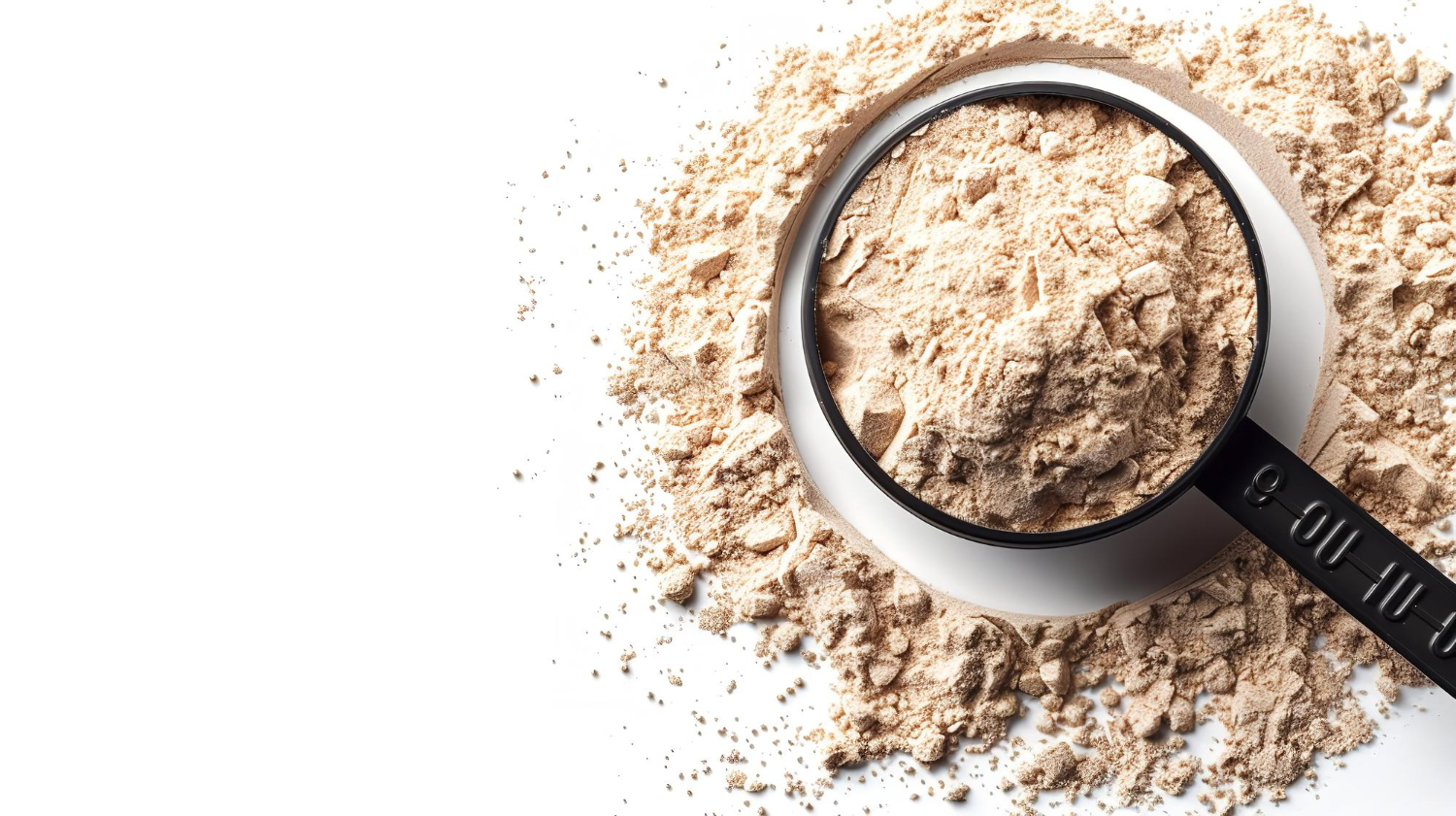
Pea protein and soy protein are among the most commonly used high-protein plant-based ingredients in the production of functional foods, supplements, bars, beverages, and vegan products. Although both ingredients can support the development of high-protein formulations, they differ in amino acid profile, processing behavior, and sensory perception.
In practice, the choice of raw material should not boil down solely to the question of which protein is “better.” What matters far more is which one is better suited to a specific application, the desired texture, taste, label claims, and the product’s target audience.
Amino acid profile—soy’s strength and the practical application of peas
Soy protein has held a strong position in the food industry for years. It is valued for its favorable profile of essential amino acids and a broad base of application experience. For this reason, it frequently appears in high-protein products, meat substitutes, supplements, bars, and functional foods.
Pea protein has a slightly different profile. It is well-suited to the needs of manufacturers developing plant-based, vegan, and dairy-free recipes. Compared to soy, it may require more careful amino acid balancing, especially if the product is intended to convey high-quality protein. For this reason, it is often combined with other plant-based sources, such as rice protein, in many recipes.
When designing a product, it is therefore worth analyzing not only the percentage of protein content but also its nutritional quality, digestibility, taste, and impact on the final formulation. Different sources of plant protein may perform better in different types of products, so the selection of raw materials should be based on application tests and technological requirements.
Technological functionality—protein works within the formulation
In the finished product, protein is not merely a nutrient. It also affects structure, viscosity, stability, water-binding capacity, mouthfeel, and processing behavior. Therefore, two raw materials with similar protein content can produce completely different results in a beverage, bar, instant powder, or baked good.
Soy protein performs well where process predictability, emulsification, and a stable structure are important. It can be used in beverages, instant mixes, baked goods, bars, and other applications where consistent parameters and good technological functionality matter.
Pea protein is often chosen for plant-based recipes, dairy-free products, and items aimed at consumers seeking alternatives to dairy and soy proteins. In liquid applications, however, its solubility, suspension stability, and texture must be carefully evaluated. In dry products, granulation, fineness, and ease of mixing with other ingredients are also important factors.
A manufacturer developing pea-based formulations can evaluate pea protein as a raw material for vegan, high-protein, and functional products. In projects where broad industrial applicability and well-established processing behavior are priorities, it is worth comparing it with soy protein.
Sensory challenges—taste, aroma, and texture
One of the biggest challenges in working with plant proteins is sensory quality. Consumers may expect high protein content, but they will not accept pronounced bitterness, a mealy texture, a chalky mouthfeel, or a dominant plant-based aftertaste. Therefore, the raw material should be evaluated in its intended application, not solely based on the technical data sheet.
Pea protein can impart legume, green, earthy, or slightly bitter notes. In many recipes, these can be mitigated by selecting flavorings, cocoa, vanilla, fruit, sweeteners, fat, or by combining it with another protein source. Beverages and products with a delicate flavor profile require special attention.
Soy protein can also have a distinctive aftertaste, often described as beany, grainy, or slightly bitter. In many applications, this is well known to food technologists and can be controlled, but in premium products, desserts, shakes, and functional foods, it must be taken into account as early as the recipe design stage.
When to choose pea protein, and when to choose soy protein?
Pea protein is a good choice when the product is to be positioned as plant-based, vegan, dairy-free, or based on an alternative to milk and soy proteins. It works well in nutritional supplements, bars, powdered mixes, beverages, baked goods, and functional products where communication based on plant-derived ingredients is important.
Soy protein may be a better choice where a favorable amino acid profile, technological predictability, and a wide range of applications are priorities. It remains an important raw material for manufacturers seeking an effective plant-based protein for high-protein products, supplements, and functional foods.
Before selecting a raw material, it is important to compare the following:
- protein content and amino acid profile,
- solubility and stability in the final formulation,
- taste, aroma, and texture after processing,
- possible label claims,
- compliance with vegan, non-GMO, gluten-free, or clean label requirements,
- availability, batch consistency, and quality documentation.
The choice of protein should be based on the final product
Pea protein and soy protein have different strengths. Peas work well in plant-based, dairy-free recipes and products designed with a simpler, more understandable label in mind. Soy remains a well-established ingredient with a good nutritional profile and broad technological applications.
An objective comparison should therefore consider not only the declared protein content but also the actual behavior of the ingredient in the finished product. Only application tests reveal which solution better meets the recipe’s objectives, consumer expectations, and production requirements.
Nutri Partners collaborates with manufacturers of food, supplements, and functional products, supplying ingredients tailored to various types of recipes and production requirements. If you are developing a product based on plant proteins, check out Nutri Partners’ offerings and select the ingredient that best meets the requirements of your application.