


































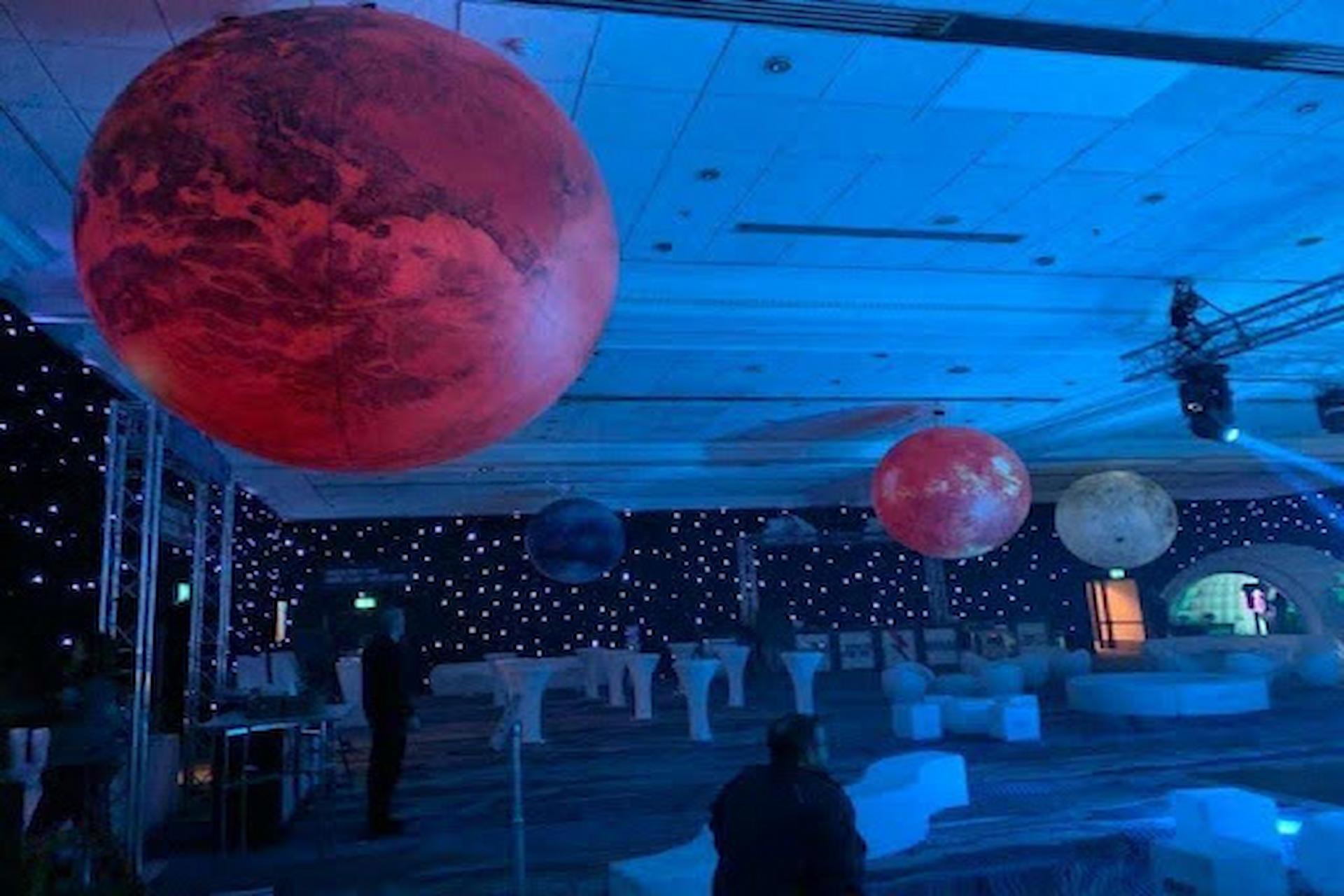
Inflatable advertising transforms outdoor spaces into bold, eye-catching brand experiences. Its oversized designs, dynamic movement, and striking shapes make brands impossible to ignore, helping them stand out in crowded environments. Highly flexible and adaptable, these inflatables can be tailored for events, promotions, or campaigns that demand instant attention. By combining scale, motion, and creativity, inflatable advertising turns ordinary locations into memorable experiences that leave a lasting impression on audiences.
In busy public environments, gaining attention is increasingly difficult. Static signage often blends into the background, while digital displays compete for limited visual focus. Inflatable advertising offers a different approach by combining size, motion, and three-dimensional presence. From arches and columns to custom shapes and branded structures, inflatables command attention without overwhelming audiences. Brands like Megaflatables create inflatable solutions that are designed for maximum visibility, easy portability, and strong branding impact, making them a practical choice for campaigns that demand real attention. Understanding how inflatable advertising works—and why it is so effective—helps businesses use it with purpose rather than novelty, ensuring attention translates into meaningful brand recall.
What Inflatable Advertising Is and Why It Works
Inflatable advertising refers to large, air-filled promotional structures designed for outdoor or semi-outdoor use. These structures rely on airflow to maintain shape and visual prominence.
The effectiveness of inflatable advertising lies in its ability to disrupt visual patterns. In public spaces dominated by straight lines and static forms, inflatables introduce curves, height, and motion that naturally draw the eye.
Unlike traditional signage, inflatables are designed to be temporary yet impactful. Their presence signals activity, importance, and engagement without relying on screens or sound.
The Psychology Behind Inflatable Visibility
Human attention is drawn to contrast and movement. Inflatable advertising uses both principles simultaneously.
Inflatables create visual dominance by rising above crowds and structures. Their height establishes instant hierarchy, making them difficult to ignore.
Movement, even subtle airflow motion, keeps the structure visually active. This prevents visual fatigue and encourages repeated glances rather than a single look.
Core Types of Inflatable Advertising Formats
Inflatable advertising is not limited to one form. Different formats serve different visibility and branding goals.
1. Inflatable Arches
Inflatable arches frame entrances and pathways, creating a clear visual gateway. Their curved design naturally guides attention forward while reinforcing brand presence.
2. Inflatable Columns and Pillars
Tall vertical inflatables act as markers in open spaces. They are particularly effective where long-distance visibility is required.
3. Custom-Shaped Inflatables
Custom inflatables are designed around brand shapes, icons, or messaging. These structures enhance memorability by translating brand identity into physical form.
4. Inflatable Tents and Structures
Inflatable shelters combine function with promotion. They provide usable space while maintaining strong brand visibility.
How Inflatable Advertising Captures Attention in Public Spaces
Inflatable advertising succeeds because it aligns with how people visually process environments. Large-scale objects are perceived as important. When an inflatable occupies vertical space, it signals relevance before any message is read. Three-dimensional branding creates depth, which is easier to recall than flat visuals. This depth allows logos and colours to feel more immersive. Midway through a campaign strategy, many marketers recognise that Megaflatables-style inflatable solutions offer a balance between attention-grabbing design and controlled brand presentation, without relying on aggressive messaging.
Materials and Design Considerations
Inflatable advertising relies on specialised materials designed for durability and visual clarity. High-quality fabrics ensure consistent airflow, shape retention, and colour accuracy. This maintains brand presentation even during extended use. Design clarity is critical. Inflatable surfaces should avoid overcrowding with text. Simple, bold visuals perform better at distance. Seams, anchors, and airflow points are engineered to support both safety and aesthetics. These technical elements are essential to long-term performance.
Strategic Placement for Maximum Impact
Placement determines how effectively inflatable advertising performs.
Open sightlines allow inflatables to dominate visual fields. Positioning should prioritise visibility from multiple angles rather than close-up detail. Height alignment matters. Inflatables should rise above surrounding visual noise without obstructing pathways or views. Spacing is equally important. Adequate distance ensures the inflatable stands as a focal point rather than visual clutter.
Practical Tips for Using Inflatable Advertising Effectively
1. Keep Messaging Minimal
Large structures communicate best with limited text. Focus on logos, colours, and simple brand cues rather than detailed messages.
2. Prioritise Shape Over Text
Distinctive shapes attract attention faster than words. Visual recognition happens before reading.
3. Maintain Brand Consistency
Colours, fonts, and proportions should align with existing brand guidelines to reinforce recognition.
4. Plan for Setup and Visibility
Inflatable advertising should be easy to deploy while remaining stable and visible throughout use.
The Role of Inflatables in Modern Marketing Strategies
Inflatable advertising complements digital and print marketing rather than replacing them. It acts as a physical attention trigger, encouraging audiences to notice a brand before engaging with other channels. Because inflatables are reusable, they support long-term campaign planning without constant redesign. Their adaptability allows brands to maintain presence across different environments while keeping messaging consistent.
Safety, Compliance, and Professional Standards
Well-designed inflatable advertising prioritises safety alongside visibility. Secure anchoring systems prevent movement beyond intended airflow motion. Material quality ensures structural stability. Compliance with venue and local guidelines protects both audiences and brand reputation. Professional manufacturing standards ensure inflatables maintain shape, colour, and reliability over repeated use.
Final Overview
Inflatable advertising stands out because it combines visual dominance, movement, and three-dimensional design in a way few other formats can match. In public spaces filled with competing messages, inflatables interrupt visual routines and establish immediate brand presence. Their effectiveness comes not from novelty alone, but from strategic design, thoughtful placement, and controlled messaging. When used correctly, inflatable advertising enhances visibility without overwhelming audiences, reinforcing brand identity through scale and form. Providers such as Megaflatables demonstrate how professional design and material quality transform inflatables into reliable marketing assets rather than temporary gimmicks. By understanding the basics—formats, psychology, materials, and placement—businesses can use inflatable advertising as a purposeful tool that captures attention, supports broader campaigns, and leaves a lasting visual impression long after the structure is removed.