


































Most people didn’t decide to let their phone run their lives. It just happened. What started as a tool to make calls and send texts turned into something that dictates when to wake up, what to eat, where to go, and how much to move each day. The change wasn’t sudden or forced. It arrived gradually through small conveniences that made sense at the time.
Can you remember our mornings like fifteen years ago? An alarm clock sat on the nightstand, and the weather was reported on TV or the radio. Shopping lists lived on paper stuck to the fridge. Appointments got written in diaries or remembered through effort. That world feels ancient now, yet it really wasn’t that long ago.
Mornings Start Fast
The first action most people take after waking up is reaching for their phone. Emails get checked before leaving bed. News gets scrolled through before standing up. Messages that arrived overnight demand immediate attention. Smart speakers announce the day’s schedule while coffee machines start brewing on preset timers. Thermostats warm rooms before anyone even thinks to adjust them.
All this automation removes small decisions, which sounds helpful until you realise there’s no warm-up period anymore. The day starts at full speed, and slowing down later becomes harder.
Entertainment Became Constant
Boredom barely exists anymore. A five-minute wait turns into scrolling through social media. Train rides mean podcast episodes. Lunch breaks get filled with half-watched videos. Streaming services remember where you stopped watching, games save your progress to the cloud, and articles sit in a “read later” list that keeps growing.
Gambling followed the same path and moved entirely online over the past decade. Casino games, sports betting, and lottery draws became accessible around the clock from any device. British players who want to play without restrictions visit international sites that operate outside UK Gambling Commission oversight. These platforms hold licences from regulators in Malta, Curaçao, or Anjouan, which means they can offer more games, more payment options, and larger bonuses than UK-regulated sites usually permit.
The shift to mobile access changed the nature of gambling itself. What used to require a trip to a bookmaker or casino now fits into any spare moment, whether that’s a commute or an evening at home.
The trouble with constant entertainment is that nothing feels satisfying anymore. Everything becomes background noise because there’s always something else demanding attention.
Work Never Stops
Email used to stay at the office, and now it follows you everywhere. Messages pop up during dinner. Documents update while you sleep, and someone always needs an answer, regardless of the time. Apps promise better organisation, but mostly just show you how much you haven’t finished.
Calendars block out every hour in colour-coded chunks. Task lists rank everything by urgency. Platforms track deadlines with precision. The tools work perfectly, which is the problem. They normalised constant availability and made it almost impossible to fully disconnect.
The shift to remote work accelerated this pattern. What used to require being physically present in an office now happens from kitchen tables, coffee shops, or bedroom desks. Flexibility sounds appealing until you realise work can now happen anywhere, which means it happens everywhere. The laptop that lives in your bag becomes a tether rather than a tool.
Health Metrics Multiply
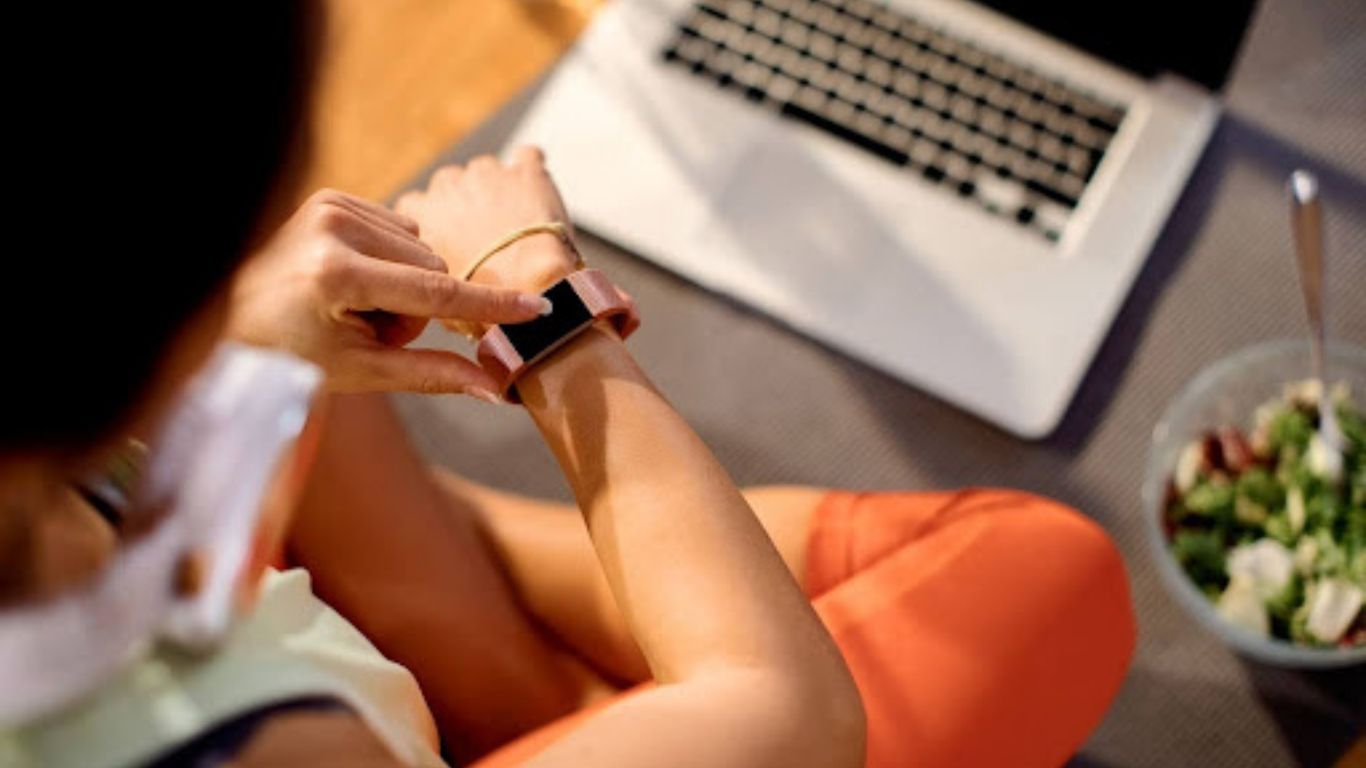
Fitness trackers record everything. From heart rate and sleep phases to steps, calories, and oxygen levels, all get logged automatically. We use apps to monitor water intake, meditation time, and mood changes. Some platforms even use AI to spot patterns and suggest adjustments based on weeks of data.
Access to this information can help, but it also adds pressure. Closing activity rings becomes a daily mission. Missing step goals feels like failure. Sleep gets a numerical score. What should improve well-being sometimes creates more stress instead.
Some of the daily health tracking things are:
- Heart rate measured at intervals all day and night
- Sleep divided into light, deep, and REM cycle segments
- Calories and nutrients logged after each meal
- Steps and active time counted automatically
- Water intake monitored with timed reminders
- Mood entries that get analysed for weekly patterns
Social Life Moved Online
Video calls became standard years before the pandemic forced everyone to adopt them. Group chats replaced phone calls for coordination plans. Social media turned into the main way people stay updated on friends and family they haven’t actually spoken to in years. Data shows that 82.8% of the UK population used social media in 2024, which means these platforms have become the primary channel for maintaining most relationships.
Distance matters less now. You can keep in touch with people on the other side of the world as easily as someone down the street. But the nature of those connections has shifted in the process. Quick messages took the place of longer conversations. Tone gets lost in text. You can be in constant contact with someone and still have no real sense of how they’re actually doing.
Money Became Frictionless
Cash transactions dropped as contactless payments took over. For example, banking apps sort spending into categories without being asked, and investment platforms provide instant market access. Cryptocurrency wallets introduced new ways to store and move money outside traditional banks.
Digital payments made finances more transparent. Every transaction gets logged and categorised, but spending has also become nearly invisible. With just one tap, you can complete a purchase. There’s no physical exchange, no moment where money actually changes hands. The psychological barrier between wanting something and buying it almost disappeared.
Budgeting apps try to add back some awareness by sending alerts when spending crosses certain thresholds or when bills are due. Some people find these reminders helpful. Others ignore them completely, which defeats the purpose. The gap between having financial data and actually using it to change behaviour remains wide for most people.
Wrapping Up
Technology reshaped daily life in ways that looked convenient but came with hidden costs. Tasks got faster. Information became easier to find. But the tools that save time also demand constant attention.
Apps that should simplify life often complicate it instead. The difference between helpful technology and intrusive technology comes down to choice. Keep the tools that solve actual problems, but question the ones that just create new things to manage.
That distinction gets harder to see as technology becomes more embedded in every part of the day, but it remains the only real measure of whether any of this actually improves life or just makes it busier.