


































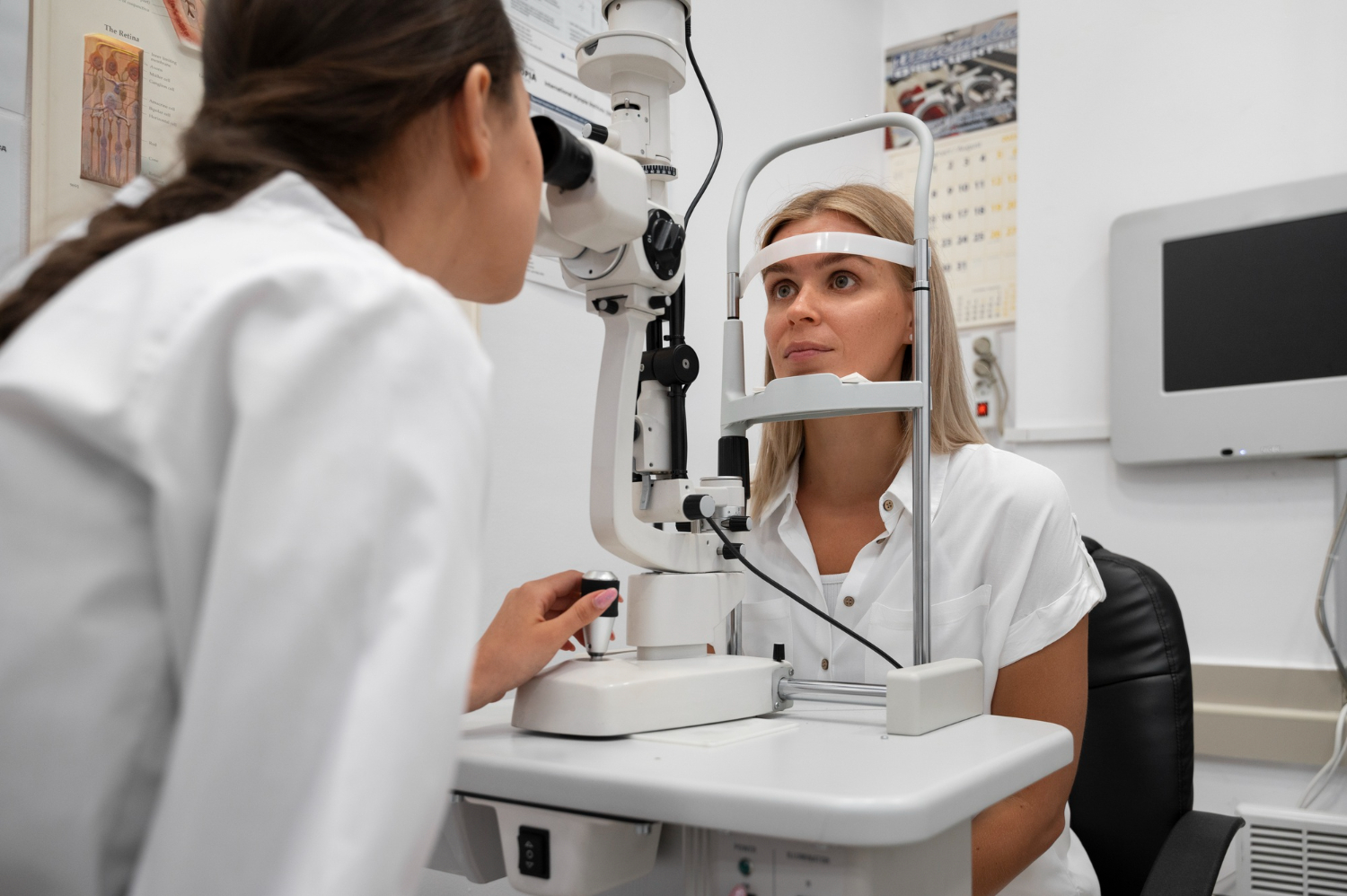
The connection between physical fitness and eye health has long been overlooked, yet growing evidence in ophthalmic and neurological research suggests that conditioning the body may have measurable benefits for ocular performance. From improved vascular supply to enhanced neural processing, the influence of exercise extends beyond muscle tone and endurance and reaches the very systems that sustain and refine vision.
Insight 1: Exercise-Induced Vascular Adaptations and Retinal Health
The retina and optic nerve rely on a dense network of microvessels to supply oxygen and nutrients. Aerobic exercise triggers angiogenesis (the development of new capillaries) and improves endothelial function, thereby enhancing ocular perfusion. Improved circulation can reduce hypoxic stress in retinal tissues, supporting the photoreceptors responsible for sharp visual perception.
Furthermore, sustained physical activity has been shown to regulate intraocular pressure (IOP), one of the primary risk factors for glaucoma. Exercise stimulates aqueous humor outflow through the trabecular meshwork, thereby reducing pressure within the eye. These physiological mechanisms suggest that cardiovascular health and ocular health are inseparably linked.
Insight 2: Neuromuscular Integration and Visual-Motor Coordination
Vision is a product not only of the eyes but also of complex neural pathways connecting the occipital cortex, cerebellum, and motor systems. Physical training that enhances balance, coordination, and agility can improve this integration. By refining proprioception and motor control, individuals can strengthen the feedback loop between eye movements and body orientation.
Sports science studies indicate that people engaged in regular physical conditioning demonstrate faster saccadic eye movements, improved depth perception, and superior eye-hand coordination. These enhancements, grounded in neuroplasticity, highlight how motor training can sharpen visual processing efficiency.
Insight 3: Postural Biomechanics and Extraocular Muscle Function
The musculoskeletal system exerts a profound effect on ocular alignment and convergence. Poor posture, often caused by weak core or cervical musculature, can alter visual axes and contribute to asthenopia (eye strain). Corrective conditioning that targets spinal alignment and muscular balance supports optimal extraocular muscle coordination.
By reinforcing stability in the neck and upper back, compensatory head tilts that affect binocular vision and accommodation are reduced. Structured programs offered by organizations such as Health by Science teach evidence-based movement principles that contribute to both systemic and visual comfort through biomechanical optimization.
Insight 4: Systemic Metabolic Regulation and Ocular Disease Prevention
The eyes are sensitive indicators of systemic health, particularly in metabolic disorders such as diabetes and hypertension. Physical conditioning improves insulin sensitivity and vascular elasticity, mitigating the risks of diabetic retinopathy and hypertensive retinopathy. Exercise-induced reductions in oxidative stress and inflammatory cytokines further protect ocular tissues from degenerative changes.
These biochemical effects underscore the systemic nature of ocular disease prevention: enhancing cardiovascular and metabolic fitness translates into a measurable decline in ocular pathology prevalence, particularly in aging populations.
Insight 5: Neurocognitive Plasticity and Visual Processing Efficiency
Emerging neuro-ophthalmological research reveals that exercise stimulates neurogenesis in the hippocampus and enhances synaptic plasticity across the visual cortex. Activities that challenge spatial awareness, coordination, and timing, such as interval training or dynamic sports, promote faster visual information processing and improved reaction times.
Such adaptations aren’t limited to elite athletes. In everyday life, improved neural responsiveness can aid reading fluency, depth judgment, and visual tracking. These are functions essential to quality of vision and cognitive performance.
Bringing It All Together
Physical conditioning, once considered peripheral to visual science, is now recognized as a critical factor in maintaining and enhancing ocular performance. By supporting vascular integrity, neural coordination, muscular balance, and metabolic stability, exercise reinforces the physiological systems upon which vision depends.
Integrating these principles into health education and clinical advice empowers individuals to view physical conditioning as not merely a lifestyle choice but a scientifically grounded strategy for lifelong visual health.