

































Medical cannabis has been legally available on prescription across the UK since 2018. Somewhere around 80,000 Brits are now treating with medical cannabis from private clinics, and the market is growing faster than ever. Yet, still, many misconceptions remain about how it all works.
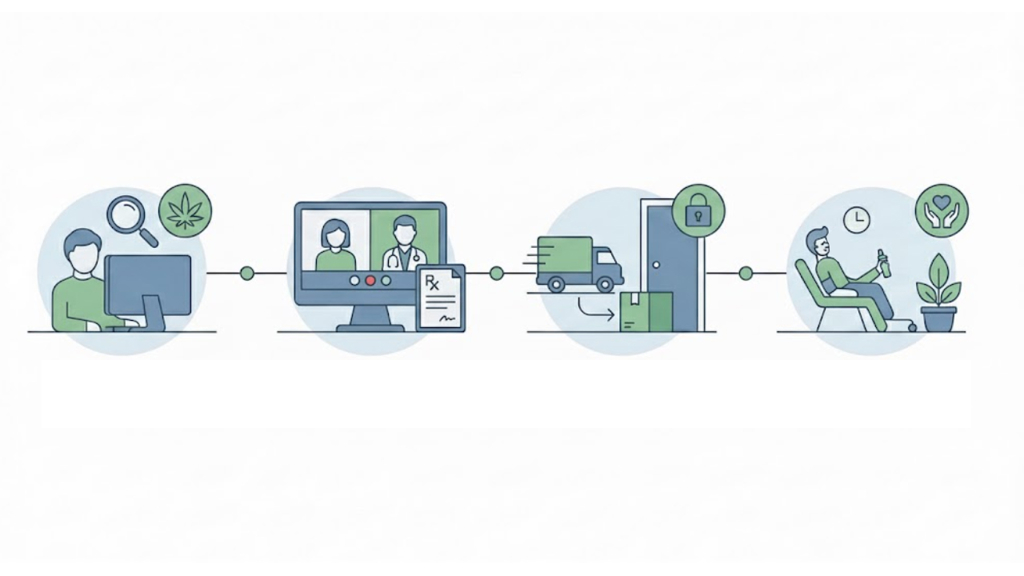
This article will address some of those concerns with a step by step look at the process of acquiring a medical cannabis prescription. From who it is available for and the process of prescription, to what exactly you can do with it and what the experience is like.
Who is Suitable for Medical Cannabis – The Requirements
The first part of the process, is identifying if you’re eligible for and finding a private clinic. The NHS is vanishingly unlikely to prescribe cannabis except in rare cases of childhood epilepsy.
Before registering interest with a clinic, its a good idea for patients to familiarise themselves with what medical cannabis is and isn’t, and who it currently available for. Currently, you must have:
- A diagnosed medical condition that there is scientific evidence cannabis can treat
- Have tried at least one other treatment option
- Have no family history of schizophrenia or psychosis
Seeing as illicit cannabis use isn’t exactly uncommon in the UK and the plant’s history with humans goes back thousands of years, most people will be well aware of cannabis’ psychoactive properties. However, many people have misconceptions about what exactly that entails.
Doctors from expert clinics can even guide you through potentially common side effects of cannabis, including couch lock, the munchies, dry mouth and other things medical patients will often be experiencing for the first time. Whilst none of these are dangerous, they can be uncomfortable for some so its important to be aware of the possibilities before beginning treatment.
For another example, you might not know it remains illegal to smoke cannabis and medical prescriptions are limited to vaping only. Patients can also be given tailored dosage guidelines, or even specific strains of flower, that minimise the psychoactive experience.
Initial Consultation and Assessment is Simple but Comprehensive
One a patient has found a clinic they like, consultation can begin. This is usually over the internet, although some clinics have in-person consultations in certain locations. This will go through the eligibility criteria with patients first. Once complete, qualified clinicians will then work with patients to set up a treatment plan.
The options currently are:
- Cannabis oils
- Gummies, edibles or lozenges
- Dry herb cannabis to be vaporized
Notice smoking is not an option. Smoking cannabis flower remains illegal in the UK, even if you have prescription. The terms of any prescription will state it is for vaping only.
Most clinicians will suggest oils for new patients, but ultimately the patient can request what form of medicine they want. Once the treatment plan is and prescription is ready, it’s time for the medication to be delivered.
Filing Your Prescription, Delivery or Collection and Follow Up Care
Clinics will handle both the prescription and delivery process. There are a few places that offer medical cannabis collections in the UK, but they are few and far between so most patients will be getting their medicine delivered.
Once the medical cannabis medication is secured, patients can begin treatment. Several key things to note include:
- Only use the medication as directed
- Keep it in the medical packaging it arrived in
- Take your prescription documents with you if carrying medication out of your house
Smoking or turning medical prescribed cannabis flower into edibles or home-made forms is also illegal. Following the rules around packaging and prescription is for patients protection, so police can quickly identify legitimate medical patients if they smell cannabis. Vaping is more discrete than smoking, but it does have some smell.
After treating for a certain period of time, clinics will offer you follow up care. This could include surveys of how the medicine worked for the patient, suggestions for dealing with or lessening side effects, and any changes in the form of medication. For example, there are many kinds of medical cannabis strains that have can subtly different side effects and clinicians and patients can choose these together for a tailored treatment plan.
What to Expect from Medical Cannabis Treatment
In one recent large study of British medical cannabis patients treating for chronic pain, 97% said they had a better quality of life after starting their treatment. That is a very high percentage. Even if it is only patient reported and not clinical data, it is clear evidence that medical cannabis works for many people.
Medical cannabis is not a panacea, so you should not expect your condition to be instantly cured overnight. However, it is increasingly proven that it can be a life-changing medication in terms of helping patients lessen and deal with their pain.
Many patients report that the side affects of cannabis as a pain reliever also help with conditions that often develop or stem from chronic pain such as depression or anxiety. The science is less clear on this, but patient reports are also evidence.
Regardless, patients should be clear and forthright with their clinician regarding any unwanted or negative side effects as well as the positives, in order to help the field progress forward.