


































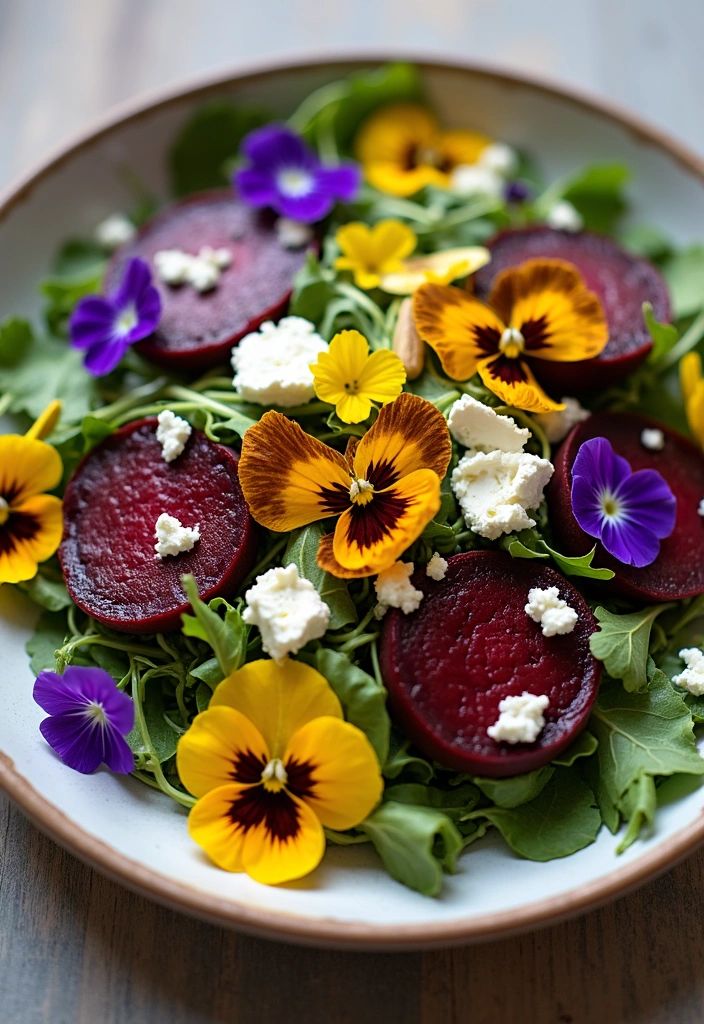
Edible flowers in desserts stopped me mid-scroll about three years ago, when a friend posted a photo of her lemon posset topped with tiny purple violas. It looked like something from a countryside fairy tale, and honestly, I couldn’t believe she’d made it in her own kitchen. That single image sent me down a rabbit hole of petal-topped cakes, lavender-infused biscuits, and rose-scented panna cotta — and I haven’t looked back since.
Flower delivery to Dubai with reliable service from MyGlobalFlowers straight to your door — so you can enjoy fresh, beautiful blooms wherever you are, whether for a special occasion or just to brighten your day. In this guide, you’ll learn which flowers are safe to use, how to pair them with specific desserts, how to candy petals like a pro, seasonal ideas tied to the British calendar, storage tips for the UK climate, common mistakes to dodge, and a handful of practical recipes to get you started.
Let’s get into it.
Which flowers are actually safe to eat?
Edible flowers in desserts start with one non-negotiable rule: you must know exactly what you’re putting on the plate. Not every pretty petal is safe, and the consequences of guessing can range from an upset stomach to something genuinely dangerous. Here’s a rundown of flowers that are popular, widely available in the UK, and absolutely lovely in sweet dishes.
- Roses — deliver a perfumed, slightly sweet flavour → pair beautifully with pistachio cakes, panna cotta, and Turkish delight–inspired brownies.
- Lavender — brings a floral, gently herbal sweetness → works brilliantly in shortbread, lemon cake, and crème brûlée.
- Violas and pansies — offer a mild, slightly grassy taste → sit perfectly on buttercream cakes, tarts, and chocolate truffles as decoration.
- Elderflower — carries a honeyed, muscat-like fragrance → transforms possets, cordial-drizzled sponges, and sorbets.
- Borage — tastes remarkably like cucumber → adds a refreshing twist to fruit salads, gin jellies, and lemon desserts.
- Calendula — provides a peppery, slightly tangy note → lifts spiced cakes, autumnal crumbles, and custards.
- Cornflowers — taste very subtle, almost neutral → serve as a vivid blue garnish on celebration cakes and cheesecakes.
- Nasturtiums — pack a peppery, watercress-like kick → complement dark chocolate desserts and fruit tarts with a savoury edge
- Chamomile — echoes the gentle, apple-tinged calm of chamomile tea → infuses ganache, honey ice cream, and poached fruit beautifully.
- Hibiscus — delivers a tart, cranberry-like punch → works wonderfully in syrups, sorbets, and drizzled over vanilla cake.
Now, here’s the thing — and I genuinely think this is the most important paragraph in this entire article. Never eat flowers from a florist’s bouquet, a garden centre, or the roadside. Decorative flowers are routinely treated with pesticides, preservatives, and dyes that are not safe for consumption. Only use flowers grown specifically for culinary use and labelled as food-grade. You can find these at supermarkets (Waitrose and Sainsbury’s often stock small punnets), specialist UK suppliers online, or by growing your own without any chemical sprays.
Some common garden flowers are outright toxic. Foxglove, lily of the valley, sweet pea, daffodil, and oleander should never go anywhere near food. Always verify a flower’s identity before using it. When in doubt, leave it out.
How to use edible flowers in cakes and bakes
Edible flowers in desserts aren’t just about scattering petals and hoping for the best — there’s real technique involved, and mastering even one or two methods will transform your baking. Here are the approaches that work best.
Pressing petals onto buttercream
Spread a smooth layer of buttercream over your cake, then gently press individual petals or whole small blooms (violas are ideal) onto the surface. The buttercream acts as a natural adhesive. Place petals just before serving to prevent wilting.
Embedding in jelly or gelatin toppings
Pour a thin layer of clear jelly into a mould or onto a set cheesecake. Let the jelly reach a semi-set stage, then arrange your flowers face-down. Pour a second thin layer over the top. The petals will appear suspended, like tiny stained-glass windows. There’s something genuinely magical about this one.
Candying with egg white and caster sugar
Candying flowers is a classic British technique, and it’s far easier than it looks. Follow these steps:
- Pick fresh, dry petals or small whole flowers (violas, rose petals, and primroses work well).
- Lightly beat one egg white in a small bowl until slightly frothy — not stiff.
- Use a soft paintbrush to coat each petal with a thin, even layer of egg white.
- Hold the petal over a second bowl and dust generously with caster sugar, turning the petal to cover all sides.
- Place coated petals on a wire rack lined with baking parchment.
- Leave the petals to dry in a cool, dry spot for 12–24 hours until completely crisp.
- Store candied flowers in an airtight container between layers of greaseproof paper. Candied petals keep for up to two weeks at room temperature.
Infusing into batters and syrups
Steep dried lavender buds or chamomile flowers in warm milk or cream for 20–30 minutes, then strain. Use the infused liquid in your cake batter, custard, or syrup. Start with a small amount — roughly one teaspoon of dried flowers per 200 millilitres of liquid — and taste as you go. Floral flavours intensify quickly.
Freezing into ice decorations
Drop individual petals or small blooms into ice-cube trays, fill with water, and freeze. These floral ice cubes look stunning in summer drinks served alongside dessert, or crushed and scattered over a granita.
Silicone moulds and chocolate flower decorations
Not everyone wants fresh petals on their bake, and that’s perfectly fine. Flower-shaped silicone moulds let you create chocolate or sugar-paste blooms that capture the look without any fresh-flower handling. You can find food-grade moulds online for around £5–£10.
Dessert ideas featuring edible flowers
Edible flowers in desserts shine brightest when you pair the right bloom with the right recipe. Here are six ideas I keep coming back to.
Lavender shortbread biscuits
Classic buttery shortbread with a teaspoon of finely chopped dried lavender buds folded into the dough. The lavender brings a gentle perfume without overwhelming the butter. Roll, slice, bake at 160 °C for 12–15 minutes, and dust with icing sugar. Tip: use culinary-grade dried lavender — the buds should be a muted purple, not bright or artificially coloured.
Elderflower and lemon posset
A two-ingredient posset (double cream and lemon juice) spiked with a generous glug of elderflower cordial. Pour into ramekins, chill for four hours, and top with a fresh borage flower or a thin lemon slice. Tip: add the elderflower cordial before the lemon juice so the acid sets the cream evenly.
Rose and pistachio panna cotta
Infuse double cream with two tablespoons of food-grade rose water and a pinch of crushed cardamom. Set with gelatin, chill, and turn out onto a plate. Scatter crushed pistachios and a few dried rose petals over the top. Tip: rose water varies hugely in strength between brands — add one tablespoon first, taste, then decide whether you need more.
Pansy-topped celebration cake
Bake your favourite sponge — Victoria, lemon drizzle, or chocolate — and finish with smooth buttercream. Arrange fresh violas and pansies in a cascading pattern down one side of the cake. Honestly, this one surprised me with how little effort it takes to look absolutely showstopping. Tip: place the flowers no more than one hour before serving to keep the petals vibrant.
Chamomile-infused ganache truffles
Heat 150 millilitres of double cream, add two tablespoons of dried chamomile flowers, and steep for 15 minutes. Strain the cream, reheat gently, and pour over 200 grams of chopped dark chocolate. Stir until smooth, chill until firm, then roll into truffle balls and dust with cocoa powder. Tip: chamomile ganache pairs exceptionally well with honey — drizzle a little into the cream before straining.
Violet and honey ice cream
Make a custard-based ice cream with violet syrup (available from specialist food shops) and a generous tablespoon of runny British honey. Churn in an ice-cream maker and fold in a handful of candied violet petals just before transferring to the freezer. Tip: the violet flavour softens once frozen, so be slightly bolder with the syrup than you would in a room-temperature dessert.
Edible flowers in desserts for UK occasions and seasons
Edible flowers in desserts feel even more special when you tie them to the rhythm of the British year. Here’s how to match blooms to calendar moments.
Spring
Mother’s Day lands in March, and Easter follows shortly after. Violets and primroses come into season right on cue. Scatter candied violets over a lemon drizzle cake for Mothering Sunday, or press primrose petals onto simnel cake for Easter afternoon tea. Spring is also when wild garlic flowers appear — surprisingly good in savoury-leaning desserts like goat’s cheese tarts with honey.
Summer
Wimbledon fortnight, garden parties, and long-weekend celebrations call for elderflower cordial cakes, rose-petal strawberry tarts, and borage-topped Pimm’s jellies. Picture this: a tiered Victoria sponge crowned with fresh strawberries and edible cornflower confetti, sitting on a table in a sunny garden. That’s the energy.
Autumn
Harvest festivals and bonfire night bring spiced flavours to the forefront. Calendula’s peppery warmth sits perfectly in ginger cakes and apple crumbles. Chamomile-infused custard poured over a warm pear tart is autumn in a bowl.
Winter
Christmas calls for crystallised rose petals draped across a Yule log, and dried lavender buds tucked into mince-pie pastry add an unexpected twist. In Scotland, Burns Night suppers in January pair well with a whisky and heather honey cranachan topped with candied heather flowers.
By the way, if you’re hosting any of these seasonal gatherings and want fresh flowers for the table, local florists through MyGlobalFlowers can deliver hand-arranged bouquets across the UK. The delivery cost is calculated individually at checkout, and because local florists use seasonal blooms, each arrangement has a genuinely artisan quality — no two bouquets are ever quite the same. Just remember: decorative bouquets are for display, never for eating. Keep your table flowers and your culinary flowers completely separate.
Common mistakes when using edible flowers in desserts
Edible flowers in desserts are simple to work with once you know the pitfalls. Here are the ones I see most often.
- Using non-food-grade flowers → Source petals only from culinary suppliers, supermarket food-grade packs, or your own pesticide-free garden. Never use flowers from bouquets, garden centres, or roadsides.
- Adding flowers too early → Place delicate fresh petals just before serving. Most petals wilt within an hour on buttercream and even faster on warm bakes.
- Overpowering the dessert with floral flavour → Start with half the amount a recipe suggests, taste, and build up. Lavender and rose water are especially easy to overdo.
- Ignoring allergies → Always check whether guests have pollen allergies, hay fever, or specific plant sensitivities. Label desserts clearly at events, naming the exact flower used.
- Washing flowers too aggressively → Gently pat petals dry with kitchen paper after a light rinse. Never soak edible flowers — soaking bruises the petals and turns them to mush.
- Assuming all flowers are edible → Some common garden favourites are toxic. Foxglove can cause heart complications. Lily of the valley is poisonous in every part of the plant. Sweet pea seeds and flowers contain toxins. Always verify a flower’s safety using a reliable source before use.
How to store edible flowers to keep them fresh
Edible flowers in desserts demand fresh, vibrant petals — and storage makes or breaks the result. Here’s what works in a UK kitchen.
- Fresh flowers → Store between layers of lightly dampened kitchen paper inside an airtight container in the fridge. Most fresh edible flowers last 3–5 days this way.
- Warm-weather adjustments → UK summers can push past 30 °C. Move flowers to the coldest part of the fridge (usually the bottom shelf at the back) and check the kitchen paper daily — replace it if the paper dries out or becomes too wet.
- Dried edible flowers → Store dried rose petals, lavender buds, and cornflower petals in a sealed glass jar away from direct sunlight. Dried flowers keep for several months, sometimes up to six, without losing much colour or flavour.
- Candied flowers → Store in an airtight container at room temperature, layered between sheets of greaseproof paper. Candied petals stay crisp for up to two weeks in a dry kitchen.
One small but useful detail: avoid storing edible flowers near strong-smelling foods in the fridge. Petals absorb odours surprisingly quickly, and nobody wants a viola that tastes faintly of last night’s curry.
Where to buy edible flowers in the UK
Edible flowers in desserts require a reliable source, and thankfully the UK has plenty of options.
- Specialist online suppliers → Companies like Maddocks Farm Organics, Greens of Devon, and The Edible Flower Garden deliver food-grade flowers directly to your door. Expect to pay around £5–£15 per punnet depending on variety and season.
- Supermarkets → Waitrose, Sainsbury’s, and Ocado regularly stock small packs of edible flowers in the fresh herb section. These are pre-washed and ready to use.
- Farmers’ markets → Many local growers at farmers’ markets across the UK sell pesticide-free edible flowers. Ask the grower directly about their cultivation methods.
- Growing your own → A windowsill pot of violas or a small patch of calendula in the garden gives you a free, ongoing supply. Use organic compost, skip the pesticides entirely, and harvest flowers in the morning when the petals are coolest and most hydrated.
Now, if you’re looking for beautiful bouquets to decorate the dining table alongside your edible flower creations, that’s where MyGlobalFlowers comes in. We connect you with local florists who deliver hand-arranged bouquets across the UK. The delivery cost is calculated individually at checkout, and because local florists work with seasonal blooms, every bouquet has a unique, hand-crafted character — bouquets may differ slightly from website images due to seasonal availability, with florists substituting equal-value alternatives to maintain the overall style. I genuinely think this is one of the best things about working with real artisan florists rather than factory-packed bunches.
But please, keep this boundary crystal clear: bouquets from any florist — including those delivered through MyGlobalFlowers — are strictly for display. They are treated with preservatives and are not safe to eat. Always keep your decorative flowers and your culinary flowers entirely separate.
Your turn to start creating
You don’t need to be a pastry chef or a botanist to bring edible flowers into your baking. Start small. Try pressing a few violas onto a Victoria sponge this weekend. Stir some dried rose petals into your next batch of scones. Candy a handful of primrose petals and keep them in a jar for whenever inspiration strikes.
Once you’ve had that first moment — the one where you step back, look at your creation, and think, “I actually made that” — you’ll understand why so many bakers are falling for floral desserts. There’s something deeply satisfying about a dessert that tastes as good as it looks, made from ingredients that grew in soil and sunlight.
What’s the first edible flower dessert you’ll try? I’d love to know.
And if you’d like fresh flowers delivered to brighten the table alongside your creations, browse the MyGlobalFlowers catalogue and find a bouquet arranged by local florists near you.
Frequently asked questions
Are supermarket flowers safe to eat?
Only flowers specifically labelled as edible and food-grade are safe. You’ll find these in the fresh herb or salad section, not the flower aisle. Standard supermarket bouquets are treated with pesticides and preservatives and should never be eaten.
Can you eat flowers from a florist’s bouquet?
No. Bouquet flowers from any florist — including those delivered through MyGlobalFlowers — are treated with chemicals to extend their vase life. These chemicals make bouquet flowers unsafe for consumption. Always keep decorative and culinary flowers separate.
Which edible flowers taste the best in desserts?
Roses and elderflower tend to be the crowd favourites for flavour. Lavender is wonderful in small amounts, especially in biscuits and creamy desserts. Violas and cornflowers are milder and work best as a visual garnish rather than a flavour driver.
How far in advance can you decorate a cake with edible flowers?
Fresh petals hold up for about one to two hours on buttercream before they start to wilt. Candied flowers are sturdier and can go on a cake up to 24 hours ahead, provided the cake is stored in a cool, dry place. Avoid refrigerating a decorated cake — condensation damages both the petals and the buttercream surface.
Do edible flowers need to be organic?
Edible flowers must be free from pesticides, herbicides, and chemical fertilisers. Organic certification is one reliable way to confirm this, but it’s not the only way. Flowers grown at home without chemicals or sourced from trusted culinary suppliers who confirm pesticide-free cultivation are equally safe.
Can you freeze edible flowers?
You can freeze edible flowers in water to make floral ice cubes, and the results are lovely. Freezing petals on their own is less successful — most flowers lose their structure and turn mushy once thawed. Dried and candied flowers are better options for long-term storage.