































There is a moment in any renovation or new build when the structure is done, the walls are painted, and the big decisions have been made — but the space still doesn’t feel complete. More often than not, what’s missing isn’t another piece of furniture or a different shade of grey. It’s the details. And increasingly, the details that make the biggest difference in high-end homes are made from metal.
Metalwork might not be the first thing that comes to mind when you think about interior design, but it’s one of those elements that separates a house that looks nice from one that feels considered. A polished brass handrail running down a staircase. Bronze-framed shelving in a kitchen. Blackened steel legs on a console table. These are the touches that architects and interior designers obsess over — and they’re becoming more accessible to homeowners who want that same level of finish.
Why Metal Works Where Other Materials Don’t
Wood, stone and fabric do a lot of heavy lifting in interior design, but metal brings something none of them can: a combination of precision, permanence and light. A brass rail catches the afternoon sun differently from a timber one. A steel-framed mirror holds its edge where a painted wooden frame might soften. A bronze louvre screen filters light in a way that a fabric curtain simply cannot replicate.
Metal also ages well. Brass develops a patina over time that adds warmth and character. Steel, when properly finished, holds its appearance for decades. Unlike trend-led materials that can date a space within a few years, quality metalwork tends to look better the longer it’s there — which is why so many period properties still have their original ironwork intact generations later.
Where Metalwork Makes the Most Impact
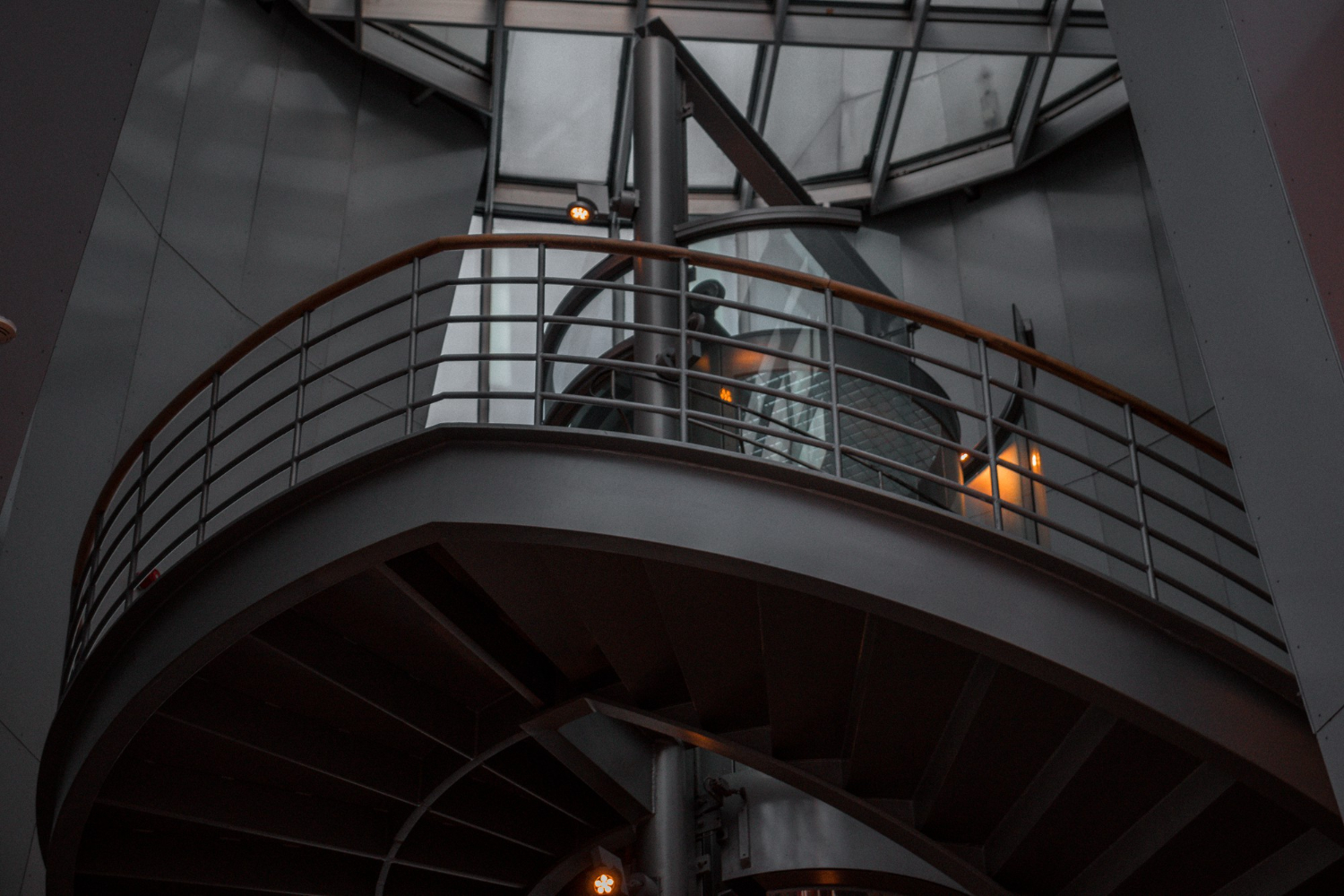
The hallway and staircase are where most visitors form their first impression of a home. A bespoke handrail or balustrade — whether that’s a sleek brass tube, a sculptural steel design, or something more traditional in wrought iron — immediately sets the tone. It’s the kind of upgrade that changes how a whole space feels, not just how it looks.
Bathrooms are another area where custom metalwork can make a striking difference. Frameless shower screens with polished brass or nickel frames look and feel entirely different from standard chrome enclosures. They’re made to measure, so there are no awkward gaps or compromises, and the finish quality is in another league. For homeowners investing in a bathroom renovation, bespoke metalwork is often the element that makes it feel genuinely luxurious rather than just new.
In the kitchen, metal is having a real moment. Brass rails running above worktops, open shelving with steel frames, sliding ladder systems for tall cabinetry, and range hood surrounds are all becoming more common in high-end kitchen design. These elements add warmth, texture and a sense of craftsmanship that balances out the clean lines of modern cabinetry.
Outside, bespoke garden railings, gates and balconies are some of the most visible metalwork on any property. Custom designs can reference the architectural period of a house, complement its proportions, or simply look far more considered than standard options. Front-of-house metalwork is also one of the first things estate agents and buyers notice — it quietly signals quality.
The Case for Going Bespoke
Off-the-shelf metalwork has its place, but it’s limited by standard sizes, generic profiles and mass-production finishes. When you commission something bespoke, you’re getting a piece made to the exact dimensions and design of your space. That precision matters — particularly in older properties where nothing is quite square, or in contemporary homes where the design demands clean, exact lines. Specialist fabricators like T Nevill & Co, a family-run firm based in Hertfordshire, work with homeowners and their architects to design and manufacture metalwork that fits the specific character of each project — from initial drawings through to on-site installation.
The range of finishes available is also far broader with bespoke work. Mirror-polished brass, brushed bronze, satin nickel, blackened steel, powder-coated colour matching — these are all options that simply don’t exist in a catalogue product. The right finish can tie metalwork into the wider material palette of a room, making it feel like an integral part of the design rather than an addition.
What the Process Actually Looks Like
If you haven’t commissioned bespoke metalwork before, the process is surprisingly straightforward. It usually starts with a conversation — either directly with a specialist metalwork company or through your architect or interior designer. They’ll review the space, discuss materials and finishes, and produce technical drawings for approval. From there, the piece is fabricated in their workshop and, in most cases, installed on site by the same team who made it.
Lead times depend on the complexity of the work, but most residential pieces take a few weeks from sign-off to completion. If the metalwork is part of a larger renovation, it’s worth involving the fabricator early so the timeline aligns with the rest of the build. Getting them in at design stage also means they can advise on what’s practical before plans are finalised — which often saves time and money further down the line.
An Investment That Holds Its Value
Quality metalwork isn’t cheap, but it’s one of the few home improvements that genuinely holds its value over time. A well-made brass handrail or set of steel railings will still look as good in twenty years as it does on the day it’s fitted. Compare that with painted surfaces that need refreshing, timber that can warp or split, or trendy fixtures that date within a few years, and the long-term cost starts to look very different.
For homeowners who are serious about creating a home that feels crafted rather than assembled, custom metalwork is one of the most effective ways to get there. It’s not about excess or show — it’s about the details that quietly make everything else in the room look better.