






























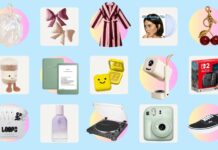




A personal brand isn’t a marketing strategy reserved for influencers with ring lights and sponsorship deals. It’s a decision-making framework – one that cuts down the daily friction of choosing what to wear, what to buy, and how to show up. When you define your aesthetic deliberately, fewer things feel uncertain.
Start With Your Core Aesthetic, Not Your Mood Board
Many people first gather what they see visually before determining anything. It should rather be the other way around. The mood board should be created after you have established what catches your attention in the first place.
Describe the three places (indoors) where you feel most like yourself. What do those places have in common? Not the things – the qualities. Are they quiet and monochrome? Warm and textured? Airy with one or two statement pieces? Those repeating qualities are the building blocks of your personal aesthetic.
Start by developing a color palette. Three to five colors that you see everywhere – in your closet, your living space, your website. This is not a set of rules: it’s a guideline. When you’re shopping for a new sweater or deciding on a throw pillow, you’ll know exactly if it works or not.
Audit Your Functional Objects
The biggest gap in most people’s aesthetic consistency isn’t the intentional purchases. It’s the functional ones. The cable you leave on your desk, the reusable bag you grabbed because it was free, the notebook with a logo from a conference three years ago.
These objects don’t feel like branding decisions, but they are. Collectively, they either support the image you’re building or they create static.
Go through your everyday carry first – wallet, keys, bag, water bottle. These are the items people see most. According to research in the Journal of Consumer Research, individuals who perceive their personal belongings as an extension of their self-concept report higher levels of confidence and social consistency. That’s not vanity. That’s alignment between your internal values and what’s visible to others.
Replace one thing at a time. Don’t overhaul everything at once and don’t spend beyond your means. Just start filtering out items that don’t belong.
Extend Your Brand To Larger Assets
The reasoning is the same as notebooks. Yet, very few individuals view it as such – a car is a mode of transportation. In reality, it is one of the most significant social symbols of taste and wealth.
Here too, minor details of customization matter more than one believes. Selecting accessories that go with your style, ensuring that the interiors match your preferred palette, and considering changes to the design that others observe but you do not – all of these count. For those willing to go the extra mile, personalised number plates can quickly transform a nondescript car to become a part of your signature identity. It can be your name, your initials, or simply a phrase that you live by. It is a low effort high return way of asserting your identity in the real world.
Keep Your Digital Voice Consistent With Your Visual Identity
Your visual and written expression online should resonate with each other to create a meaningful and consistent experience for your audience. Check to see if your captions match the tone of your photos and overall online persona. Then, select a few words that reflect the emotions you wish to evoke in your audience and apply them as a guide for posting and captioning your images.
Build A Sensory Signature
While visual consistency is often the low-hanging fruit in our social media-ready world, a scent, a sound, an atmosphere are the aspects that are easier to disregard precisely because they don’t format as easily as typefaces and color palettes.
These are seen as more “fun” superficial details or emotional ones – an ambient of convenience you’re rarely “conscious” enough to appreciate.
An easy example is scent. If you wear perfume or cologne, you already have a brand scent: that’s part of what people remember about interacting with you. But what about having a relationship scent with your partner that no one else knows? A signature home scent you settle into over the years? These things give me a bit of joy… but they’re not mere sentiment. They anchor people to you.
What music is softly playing where you discuss ideas or relax with friends? What music is piped in at your shop or studio, influencing the way people feel when they’re trying on your mitts or sitting under your hair wrap? What sounds waft in as you video chat with clients? These are not trivial questions.
My favorite way to approach these is to pick one sensory element to commit to and let the others follow. It can feel fun or luxurious to have a variety, but some advice is to commit to one signature scent, one sense memory-first playlist, one tool or candle, and the other sensory profiles tend to follow.
Small Decisions Compound
Your unique look is an organic thing, growing and taking hold over weeks and months. Like learning a skill, your brain will adapt and rewire itself around your new tools. So let that happen, and start living your better life sooner.