


































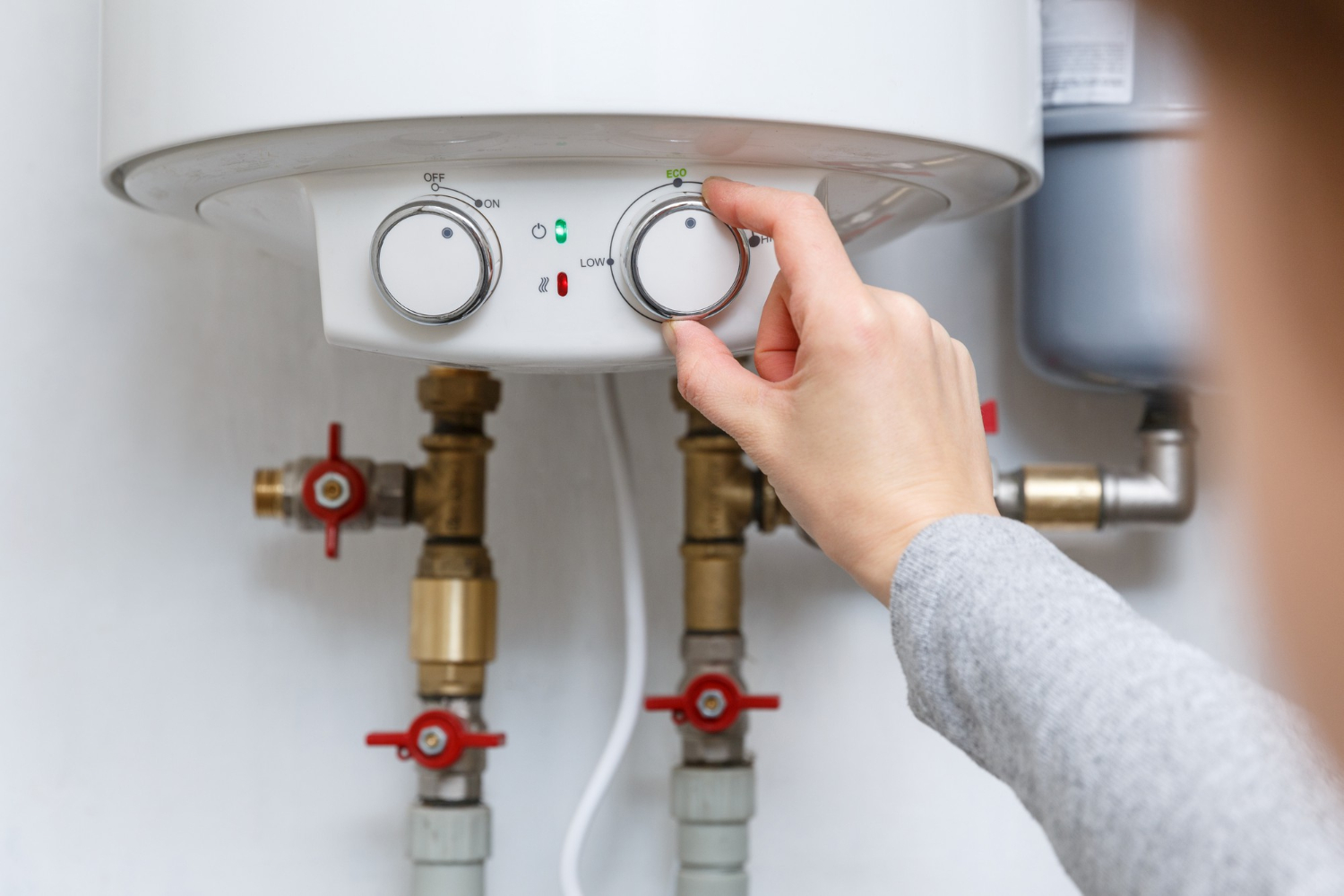
Many people believe that heat pumps are the way to go when it comes to energy-efficient heating, and they’re probably right. In addition to reducing your greenhouse gas emissions, they will also reduce your gas consumption and save you money on your utility bills each month. However, while you may be tempted by a quote that sounds appealing along with a few optimistic savings projections, it is worth having a look at the facts behind the four walls of the heat pump installation process.
Radiator and Central Heating Upgrades Can Add Thousands to Your Total
Heat pumps work at lower water temperature ranges (typically 35-55°C), whereas traditional gas/oil-fired boilers typically operate over 70°C. Therefore, your current radiators may not provide sufficient heat because they are not designed to accommodate that low of a flow temperature range.
It will be necessary for most homes throughout the UK to replace various types of radiators in order to accommodate the amount of heat provided by a heat pump. Depending on the size and type of radiator units included within the scope of the work, costs could vary greatly from around £1,000 to £4,000. Radiator replacement is one of the most commonly identified ‘surprise expenses’ associated with heat pump installations and one of the easiest to overlook during preparation.
Electrical Work is Often Neglected When It Comes to Heat Pumps
Because heat pumps can draw a significant electrical load, many older consumer units will not be able to adequately meet that demand. In some instances, a new circuit may need to be installed, or an upgraded fuse board may be needed, in addition to any required safety devices.
Depending on the condition of your existing electrical system, electrical upgrades can typically cost between £500 and £2,000. While this part of the project may not be considered glamorous, it is crucial for safety and meeting regulatory requirements.
Cylinder Replacement for Hot Water
Hot water cylinders will be required by many homes that switch from using combi boilers, since virtually all heat pumps produce heated water for storage/retention instead of making it instantly.
Despite a new cylinder and its installation costing around £1,500 to £3,000, it may actually be included in your quote, so it’s important to check. Due to the rapid growth in heat pump installations, extra fees may accumulate if we assume certain items are not included in the installation of the heat pump.
Routine Maintenance Due to Their Fewer Parts
Heat pumps typically have fewer moving parts compared to boilers; however, they require maintenance to uphold efficiency and guarantee warranties. Annual servicing is approximately £150 to £300. Consequently, after 15 years, you will have spent between £2,250 and £4,500 for standard annual service, which is manageable.
What is the Total Cost of a Heat Pump?
The average price for an air source heat pump in the UK is £7,000 to £15,000 before grants. In addition, there is currently up to £7,500 available through the Government’s Boiler Upgrade Programme for eligible properties. Although you can significantly reduce your overall costs by taking advantage of the grant, it is possible that additional costs will exceed your expected total costs. It is therefore very important to have an itemised quotation, rather than merely relying on the headline price alone as a means of attracting business.
Questions That You Should Ask Before Signing
Find out from the installer which radiators will have to be changed, if your electrical systems will need upgrading, and whether or not the quote includes a hot water tank. Ask them for estimated running costs based on your existing energy consumption.
When a heat pump installation plan has been created accurately, you should have a clear understanding of the numbers and the assumptions made to create them. If the answers you receive do not seem to provide this clarity, you will need to ask additional questions to achieve it.
Smart planning is your best defense against budget creep. To avoid any expensive surprises, reach out to EHS and secure a transparent, expert-led installation that keeps your bank account and your home perfectly protected.